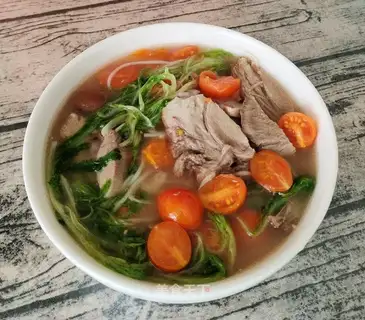
Endive, often referred to as chicory or curly endive, is a leafy green vegetable belonging to the Asteraceae family, alongside lettuce and radicchio. With its distinct bitter taste, crisp texture, and vibrant color, endive has been a staple in Mediterranean and European cuisines for centuries. Beyond its culinary versatility, endive is celebrated for its exceptional nutritional profile and numerous health benefits. However, like many foods, it comes with certain considerations for consumption. This article explores the nutritional value, health benefits, and potential precautions associated with endive, providing a comprehensive guide for incorporating this leafy green into a balanced diet.
I. Nutritional Value of Endive
Endive is a low-calorie, nutrient-dense vegetable, making it an excellent choice for those seeking to maximize nutritional intake while minimizing calorie consumption. A 100-gram serving of raw endive contains approximately 17 calories, 1.7 grams of protein, 0.3 grams of fat, and 3.7 grams of carbohydrates, including 3.3 grams of dietary fiber. Its true nutritional value lies in its rich concentration of vitamins, minerals, and bioactive compounds.
1. Vitamins
Endive is a powerhouse of vitamins, particularly those from the B-complex group and fat-soluble vitamins. It is an exceptional source of vitamin K, with 100 grams providing around 231% of the daily recommended intake (DRI). Vitamin K plays a critical role in blood clotting and bone metabolism, helping to maintain bone density and reduce fracture risk.
The vegetable is also high in vitamin A, primarily in the form of beta-carotene, which the body converts into retinol. This vitamin is essential for vision, immune function, and skin health. Additionally, endive contains significant amounts of folate (vitamin B9), crucial for DNA synthesis, cell division, and fetal development during pregnancy. A 100-gram serving offers about 10% of the DRI for folate.
Other notable vitamins include vitamin C (a powerful antioxidant that supports immune health and collagen production) and vitamin E, which protects cells from oxidative damage.
2. Minerals
Endive is a good source of essential minerals that support various bodily functions. It is particularly rich in potassium, which regulates fluid balance, nerve signals, and muscle contractions. A 100-gram serving provides approximately 321 mg of potassium, contributing to heart health by helping to lower blood pressure.
The vegetable also contains calcium, vital for bone and teeth health, though its absorption is enhanced when paired with vitamin K. Iron, another key mineral, is present in smaller amounts but is important for oxygen transport in the blood. Additionally, endive provides magnesium, which supports muscle and nerve function, and manganese, a trace mineral involved in antioxidant defense and metabolism.
3. Bioactive Compounds
Endive’s bitter taste is attributed to compounds called sesquiterpene lactones, which have anti-inflammatory and antioxidant properties. These compounds, along with polyphenols such as chicoric acid and caffeic acid, help combat oxidative stress by neutralizing free radicals. Oxidative stress is linked to chronic diseases like cancer, diabetes, and cardiovascular conditions.
Furthermore, endive contains inulin, a type of soluble fiber that acts as a prebiotic. Inulin promotes the growth of beneficial gut bacteria, such as Bifidobacteria, which support digestive health, enhance nutrient absorption, and strengthen the immune system.
II. Health Benefits of Endive
The combination of vitamins, minerals, and bioactive compounds in endive contributes to a wide range of health benefits, from improving digestion to reducing disease risk.
1. Supports Digestive Health
Endive’s high fiber content (both soluble and insoluble) and inulin make it a valuable food for digestive wellness. Insoluble fiber adds bulk to stool, preventing constipation and promoting regular bowel movements. Soluble fiber, particularly inulin, ferments in the colon, producing short-chain fatty acids (SCFAs) like butyrate. Butyrate serves as the primary energy source for colon cells, reducing inflammation and lowering the risk of colorectal cancer.
Studies suggest that prebiotics like inulin can also alleviate symptoms of irritable bowel syndrome (IBS), such as bloating and abdominal pain, by fostering a healthy gut microbiome.
2. Enhances Bone Health
Endive’s exceptional vitamin K content is a key factor in bone health. Vitamin K activates osteocalcin, a protein that binds calcium to the bone matrix, thereby increasing bone density and strength. Research indicates that adequate vitamin K intake may reduce the risk of osteoporosis and fractures, particularly in postmenopausal women.
The calcium and magnesium in endive further support bone health by working synergistically with vitamin K to maintain bone structure and function.
3. Promotes Heart Health
Endive’s potassium and fiber content make it heart-friendly. Potassium helps counteract the effects of sodium, lowering blood pressure and reducing the strain on the cardiovascular system. Fiber, particularly soluble fiber, binds to cholesterol in the digestive system, preventing its absorption into the bloodstream. This helps lower LDL (“bad”) cholesterol levels, decreasing the risk of atherosclerosis and heart disease.
Additionally, the polyphenols in endive have antioxidant and anti-inflammatory effects, which protect blood vessels from damage and improve endothelial function, further supporting heart health.
4. Aids in Weight Management
With its low calorie and high water content (over 90%), endive is an ideal food for weight management. The fiber and water in endive promote satiety, helping to curb hunger and reduce overall calorie intake. Incorporating endive into meals, such as salads or stir-fries, can increase volume without adding significant calories, making it easier to maintain a healthy weight.
5. Boosts Immune Function
Endive’s vitamin C and polyphenols play a crucial role in immune health. Vitamin C stimulates the production of white blood cells, which are essential for fighting infections. It also acts as an antioxidant, protecting immune cells from oxidative damage. Polyphenols, such as chicoric acid, have antimicrobial and anti-inflammatory properties, further enhancing the body’s defense against pathogens.
6. Regulates Blood Sugar Levels
The fiber and inulin in endive contribute to better blood sugar control. Soluble fiber slows down the absorption of sugar in the bloodstream, preventing spikes in blood glucose levels. Inulin improves insulin sensitivity, allowing cells to use glucose more efficiently. This makes endive a beneficial food for individuals with diabetes or those at risk of developing the condition.
7. Supports Skin and Vision Health
Endive’s vitamin A and beta-carotene content are vital for maintaining healthy skin and vision. Vitamin A promotes skin cell turnover and repair, reducing the risk of acne, premature aging, and dryness. Beta-carotene, a precursor to vitamin A, protects the skin from UV damage and supports overall skin elasticity.
For vision, vitamin A is essential for producing rhodopsin, a pigment in the eyes that helps in low-light conditions. Adequate vitamin A intake may also reduce the risk of age-related macular degeneration (AMD) and cataracts.
III. Precautions and Potential Side Effects
While endive offers numerous health benefits, it is important to consume it in moderation and be aware of potential side effects, particularly for certain individuals.
1. Blood Thinners and Vitamin K Interactions
Endive’s high vitamin K content can interfere with blood-thinning medications such as warfarin. Vitamin K plays a key role in blood clotting, and sudden changes in its intake can reduce the effectiveness of these medications. Individuals taking blood thinners should maintain a consistent vitamin K intake and consult their healthcare provider before significantly increasing their consumption of endive or other vitamin K-rich foods.
2. Digestive Discomfort
Endive’s high fiber and inulin content may cause digestive issues in some people, particularly when consumed in large amounts. Symptoms such as bloating, gas, and diarrhea may occur, especially in those with sensitive digestive systems or irritable bowel syndrome (IBS). To minimize discomfort, start with small portions of endive and gradually increase intake as the digestive system adjusts.
3. Allergic Reactions
Although rare, some individuals may be allergic to endive or other plants in the Asteraceae family, such as ragweed or chamomile. Allergic reactions can range from mild symptoms like itching and hives to severe anaphylaxis. Those with known allergies to these plants should avoid endive or consult an allergist before consuming it.
4. Pesticide Residues
Like many leafy greens, endive may contain pesticide residues if not grown organically. To reduce exposure, wash endive thoroughly under running water or opt for organic varieties. Peeling the outer leaves can also help minimize pesticide intake.
5. Pregnancy and Breastfeeding
While endive is generally safe for pregnant and breastfeeding women due to its high folate content, excessive consumption should be avoided. Folate is crucial during pregnancy for preventing neural tube defects, but sudden large increases in vitamin K intake may interfere with certain pregnancy-related medications. Consulting a healthcare provider is advisable for those with specific concerns.
IV. Culinary Uses and Tips for Incorporating Endive
Endive’s versatility in the kitchen makes it easy to incorporate into a healthy diet. Its slightly bitter taste pairs well with bold flavors, and its crisp texture adds a refreshing element to dishes.
- Salads: Chop raw endive and mix with other greens, such as spinach or arugula, along with nuts, fruits, and a vinaigrette to balance the bitterness.
- Grilling or Roasting: Grilling or roasting endive caramelizes its natural sugars, reducing bitterness and enhancing its flavor. Drizzle with olive oil and herbs before cooking.
- Soups and Stews: Add chopped endive to soups or stews in the last few minutes of cooking to retain its crunch and nutritional value.
- Wraps: Use large endive leaves as a low-carb substitute for tortillas to wrap fillings like hummus, vegetables, or lean protein.
- Smoothies: Blend a small amount of endive into green smoothies with fruits like banana or pineapple to mask the bitter taste.
Conclusion
Endive is a nutritional powerhouse that offers a wide array of health benefits, from supporting digestive and bone health to boosting immune function and regulating blood sugar. Its rich content of vitamins, minerals, and bioactive compounds makes it a valuable addition to a balanced diet. However, individuals taking blood thinners or those with sensitive digestive systems should consume it with caution. By understanding its nutritional value, benefits, and precautions, one can enjoy endive’s unique flavor and reap its many health rewards. Whether raw in salads, grilled as a side dish, or blended into smoothies, endive is a versatile and nutritious vegetable that can enhance both the taste and healthfulness of meals.