the mud is referred to as “water ginseng” and is a common aquatic food in our daily lives, with fine meat, nutrients, proteins and a variety of vitamins, as well as high therapeutic food, which is a popular aquatic good. frequent consumption can be used to remediate, renal ailments, dewetted yellow, etc., and it contains very little cholesterol and is well suited for consumption by older persons and cardiovascular patients. “tofu in the mud” is a traditional dish that is well known, and i particularly like “muck in the mud”. it is one of the most suitable vegetables to eat in spring, and it is common food for the most common civilians on the table of the common people. it is common to say & quot; it is like gold & quot; and it can be seen how nutritionally and healthly it works. it's so hot this season that it's delicious, whether it's crumbing, slicing, screeching, or screeching, and burning with casserole. the mudslides can't be caught, so it's best to ask the stander to help clean up, remove the stains of the mudslides, cut fresh beams into thick rollers, heat the oil, pour it into the mudslides, fry it for a few minutes, fry the mudslides to the yellow, then pour water, put it in the ginger tablets, and when the water boils down, you can smell it in less than a few minutes. it's time to put salt, pepper powder, and so forth, with onions of flowers, fragrance and the smell of mud on the pot, and, although the food is not so good for sale, it tastes so good, and it tastes so good。

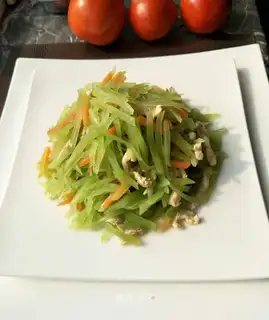
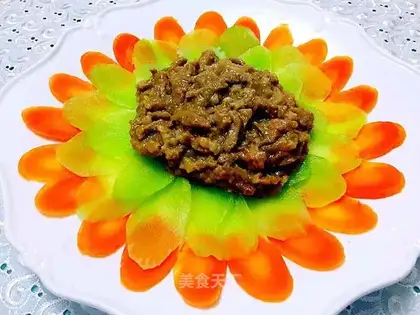
The nutritional value of winter is high and is well known as "Golden Jade, Out of the Vegetable". Unlike springs and summers, winter is “lowly” buried in the ground and has yet to break out. It is rich in a variety of proteins and amino acids. It is the most attractive to be fried, with meat, with fish, and with pickles. Not only is it delicious, but it is also warmed up by the combination of pickles; it is also rich in dietary fibres, which promotes gastrointestinal creeping and helps digestion, so winter is a very thin diet. This dish was recommended to me by a friend of the cooks, who said it used to have a very high rate of hits in the restaurant, very fresh, very colorful, not to mention that it's made with the best foods, and I think more people want to eat spring. When eating winter, however, care must be taken that it contains herbic acid, which can easily be combined with calcium, so it must be cooked with salt water for 5 to 10 minutes to remove most of the herbic acid and soot; the chef also dials it up and adds sugar, which is more conducive to the analysis of the acid. In less than five minutes, you'll be able to pick up the table and try it。