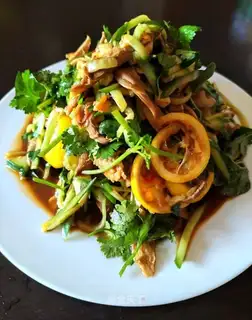
Perilla (Perilla frutescens), a member of the mint family Lamiaceae, is an herb deeply rooted in Asian cuisine and traditional medicine. With its distinctive frilly leaves and aromatic fragrance, perilla has been celebrated for centuries not only for its culinary versatility but also for its remarkable health benefits. Often referred to as "shiso" in Japanese, "zi su" in Chinese, or "wild basil" in English, this herb is gaining global recognition as a "superfood" due to its rich nutritional profile and potent bioactive compounds. This article explores the nutritional value of perilla, its evidence-based health benefits, and important precautions for consumption.
I. Nutritional Value of Perilla
Perilla is a nutritional powerhouse, packed with vitamins, minerals, antioxidants, and essential fatty acids that contribute to its therapeutic potential. A 100-gram serving of fresh perilla leaves provides approximately:
1. Vitamins
- Vitamin K: Abundant in perilla, vitamin K is crucial for blood clotting and bone metabolism. Just 100 grams of fresh leaves can provide over 200% of the daily recommended intake (DRI), making it an excellent food for bone health.
- Vitamin A: Rich in beta-carotene, which the body converts to vitamin A, perilla supports vision, immune function, and skin health. Vitamin A also acts as an antioxidant, protecting cells from oxidative damage.
- Vitamin C: A potent antioxidant, vitamin C boosts immune defense, promotes collagen synthesis, and enhances iron absorption. Perilla leaves contain moderate levels of vitamin C, contributing to daily requirements.
- B Vitamins: Perilla provides small amounts of B vitamins, including folate (B9), which is essential for DNA synthesis and cell division, particularly important during pregnancy.
2. Minerals
- Iron: Perilla is a plant-based source of iron, which is vital for oxygen transport in the blood and energy production. The presence of vitamin C in perilla enhances iron absorption, making it more bioavailable.
- Calcium: Important for bone and teeth health, calcium is found in moderate amounts in perilla, especially in dried leaves.
- Potassium: This mineral helps regulate blood pressure, fluid balance, and muscle function. Perilla’s potassium content supports cardiovascular health.
- Manganese: A trace mineral that acts as a cofactor for antioxidant enzymes, manganese plays a role in metabolism and bone formation.
3. Essential Fatty Acids
Perilla seeds are particularly notable for their high content of alpha-linolenic acid (ALA), an omega-3 fatty acid. ALA is a plant-based precursor to eicosapentaenoic acid (EPA) and docosahexaenoic acid (DHA), which are critical for brain function, reducing inflammation, and heart health. Unlike fish oil, perilla seed oil offers a vegetarian-friendly source of omega-3s, making it valuable for individuals avoiding animal products.
4. Antioxidants and Bioactive Compounds
Perilla is loaded with antioxidants that combat oxidative stress, a key driver of chronic diseases. Notable compounds include:
- Rosmarinic Acid: A polyphenol with anti-inflammatory, antiallergic, and neuroprotective properties. Studies show rosmarinic acid inhibits histamine release, making it beneficial for allergic conditions.
- Luteolin and Apigenin: Flavonoids that exhibit antioxidant, anti-cancer, and neuroprotective effects. These compounds help neutralize free radicals and reduce inflammation.
- Perillaldehyde: The primary volatile compound in perilla leaves, responsible for their unique aroma. Perillaldehyde has demonstrated antimicrobial, anti-inflammatory, and sedative properties.
II. Health Benefits of Perilla
The combination of nutrients and bioactive compounds in perilla contributes to a wide range of health benefits, supported by both traditional use and modern scientific research.
1. Anti-Inflammatory and Antiallergic Properties
Chronic inflammation is linked to conditions like arthritis, heart disease, and diabetes. Perilla’s high content of rosmarinic acid and flavonoids helps suppress pro-inflammatory enzymes (e.g., COX-2) and cytokines (e.g., TNF-α, IL-6). Studies suggest perilla extract may reduce symptoms of rheumatoid arthritis by decreasing joint inflammation and pain.
For allergies, perilla’s ability to inhibit histamine release makes it a natural remedy for allergic rhinitis, asthma, and eczema. A 2018 study published in Journal of Ethnopharmacology found that perilla extract reduced nasal congestion and sneezing in patients with allergic rhinitis, comparable to some antihistamine drugs.
2. Cardiovascular Health
Perilla’s omega-3 fatty acids (ALA) and antioxidants support heart health in multiple ways:
- Lowering Cholesterol: ALA helps reduce LDL ("bad") cholesterol and triglycerides while increasing HDL ("good") cholesterol.
- Reducing Blood Pressure: Potassium and rosmarinic acid in perilla promote vasodilation (widening of blood vessels), improving blood flow and lowering hypertension.
- Preventing Atherosclerosis: Antioxidants in perilla prevent oxidative modification of LDL cholesterol, a key step in plaque formation in arteries.
Animal studies have shown that perilla seed oil supplementation reduces the risk of heart attacks and strokes. Human trials are limited, but the existing evidence supports its role in a heart-healthy diet.
3. Brain Health and Neuroprotection
Omega-3 fatty acids (ALA) and flavonoids in perilla are beneficial for cognitive function and neuroprotection. ALA is a precursor to DHA, a major structural component of the brain, essential for memory and learning. Studies suggest that perilla extract may improve cognitive decline in elderly individuals by reducing oxidative stress and inflammation in the brain.
Additionally, perillaldehyde has sedative and anxiolytic effects. Traditional medicine uses perilla to treat anxiety, insomnia, and stress. A 2020 study in Phytotherapy Research found that perilla extract reduced anxiety-like behavior in mice by modulating GABA receptors, similar to anti-anxiety medications.
4. Anticancer Potential
Perilla’s antioxidants and bioactive compounds exhibit anti-cancer properties by inhibiting tumor growth and metastasis. Rosmarinic acid and luteolin have been shown to induce apoptosis (programmed cell death) in cancer cells, including those of the breast, lung, and colon.
A 2019 study in Oncology Reports demonstrated that perilla extract suppressed the growth of human lung cancer cells by blocking the PI3K/Akt signaling pathway, a key pathway involved in cell proliferation. While more human trials are needed, these findings highlight perilla’s potential as a complementary therapy in cancer prevention.
5. Digestive Health
Perilla leaves are rich in dietary fiber, which promotes healthy digestion by preventing constipation and supporting gut microbiota. Additionally, rosmarinic acid has antimicrobial properties that inhibit the growth of harmful gut bacteria, such as E. coli, while promoting beneficial strains like Lactobacillus.
Traditional medicine uses perilla to treat indigestion, bloating, and nausea. Its mild carminative properties help relieve gas and soothe the digestive tract.
6. Respiratory Health
In traditional Asian medicine, perilla is commonly used to treat respiratory conditions like coughs, colds, and asthma. Its expectorant properties help loosen mucus, while its anti-inflammatory effects reduce airway inflammation.
Perilla tea, made by steeping fresh or dried leaves, is a popular remedy for respiratory ailments. A 2016 study in Journal of Traditional and Complementary Medicine found that perilla extract reduced airway hyperresponsiveness in asthmatic mice, suggesting its potential as a complementary treatment for asthma.
III. Precautions and Contraindications
While perilla is generally safe for most people when consumed in food amounts, certain precautions should be taken, especially when used in medicinal doses.
1. Allergic Reactions
Individuals allergic to mint family plants (e.g., basil, rosemary, oregano) may experience cross-reactivity with perilla. Symptoms include skin rash, itching, or difficulty breathing. Those with known allergies should avoid perilla or consult a healthcare provider before use.
2. Blood Clotting and Bleeding Risk
Perilla is high in vitamin K, which plays a key role in blood clotting. Individuals taking anticoagulant medications (e.g., warfarin) should avoid sudden changes in perilla consumption, as it may interfere with drug efficacy. Consistent vitamin K intake is recommended for those on blood thinners.
3. Pregnancy and Breastfeeding
Limited research exists on perilla’s safety during pregnancy and breastfeeding. While small amounts in food are likely safe, pregnant women should avoid high-dose supplements due to potential uterine-stimulating effects. Consult a healthcare provider before use.
4. Blood Pressure Medications
Perilla may have hypotensive (blood pressure-lowering) effects. Individuals taking medications for hypertension should monitor their blood pressure closely when consuming large amounts of perilla to avoid excessive lowering.
5. Surgery
Due to its potential effects on blood clotting, perilla should be stopped at least 2 weeks before scheduled surgery to reduce the risk of bleeding complications.
IV. Culinary Uses and Practical Tips
Perilla’s versatility makes it a valuable addition to various cuisines:
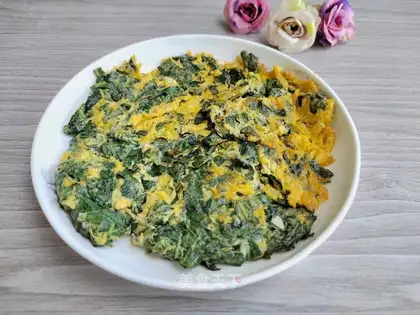
- Fresh Leaves: Used in salads, wraps, and sushi (e.g., temaki). The purple variety adds color and flavor to dishes like Korean ssam (lettuce wraps) and Vietnamese bánh xèo (savory pancakes).
- Dried Leaves: Ground into powder or used as tea. Dried perilla is often added to soups, stews, and marinades for a unique aroma.
- Seeds and Oil: Perilla seeds are pressed into oil, used in dressings, dips, or as a cooking oil. The oil is not suitable for high-heat cooking due to its low smoke point.
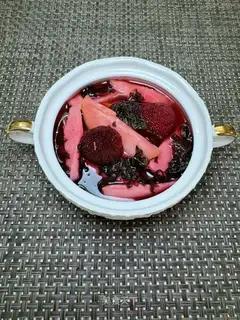
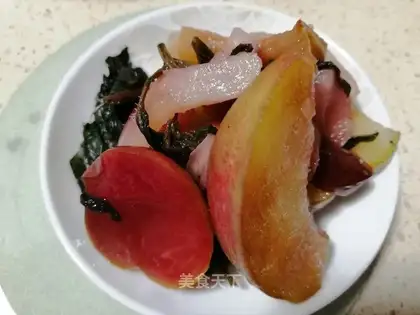
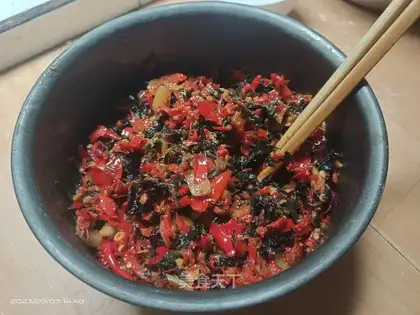
- Fermented Products: In Korea, fermented perilla leaves (kkaennip) are a popular side dish, often stuffed with garlic, chili, and ginger.
To maximize perilla’s benefits, consume fresh leaves raw or lightly cooked to preserve heat-sensitive nutrients. For therapeutic use, consult a healthcare provider to determine appropriate dosages.
Conclusion
Perilla is more than just a flavorful herb—it is a nutritional and medicinal treasure. Its rich profile of vitamins, minerals, omega-3 fatty acids, and antioxidants makes it a valuable food for promoting overall health, from reducing inflammation and supporting heart health to protecting the brain and preventing chronic diseases. While generally safe, mindful consumption is essential, especially for individuals with underlying health conditions or those on medications. As global interest in functional foods grows, perilla is poised to become a staple in kitchens and medicine cabinets worldwide, bridging the gap between traditional wisdom and modern nutrition. By incorporating perilla into a balanced diet, individuals can harness its potent benefits while enjoying its unique culinary charm.