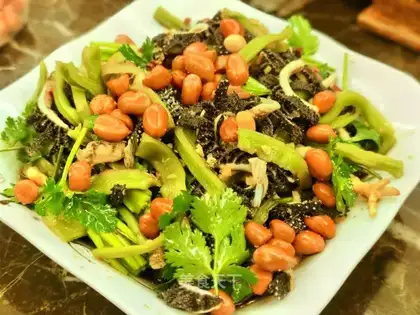
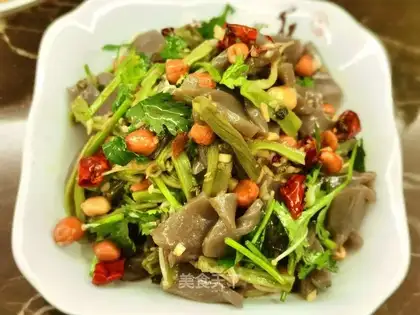
Kucai, scientifically known as Lactuca sativa var. angustana and commonly referred to as stem lettuce, asparagus lettuce, or celtuce, is a lesser-known yet highly nutritious vegetable that has been cultivated in China for over 2,000 years. Characterized by its thick, crispy stem and mild, slightly nutty flavor, kucai is a staple in Chinese cuisine, particularly in regions like Sichuan, Yunnan, and Hunan. Beyond its culinary versatility, kucai is celebrated for its impressive nutritional profile and potential health benefits. However, like any food, it must be consumed mindfully to avoid adverse effects. This article explores the nutritional value, health benefits, and precautions associated with kucai, shedding light on why this vegetable deserves a place in a balanced diet.
I. Nutritional Value of Kucai
Kucai is a low-calorie, nutrient-dense vegetable that offers a wide array of vitamins, minerals, and bioactive compounds. Its nutritional composition makes it a valuable addition to a healthy diet, supporting overall wellness.
1. Rich in Vitamins
Kucai is an excellent source of vitamins, particularly vitamin A, vitamin C, and vitamin K.
- Vitamin A: Essential for maintaining healthy vision, immune function, and skin integrity, vitamin A is abundant in kucai, with 100 grams of fresh stems providing approximately 15% of the daily recommended intake. The vegetable contains beta-carotene, a precursor to vitamin A, which acts as a potent antioxidant, neutralizing harmful free radicals and reducing oxidative stress.
- Vitamin C: A powerful antioxidant, vitamin C plays a critical role in collagen synthesis, immune support, and iron absorption. Kucai contains about 20 mg of vitamin C per 100 grams, roughly 25% of the daily requirement, making it a valuable natural source for boosting immunity and promoting skin health.
- Vitamin K: Vital for blood clotting and bone metabolism, vitamin K is found in significant amounts in kucai. Just 100 grams of the vegetable can provide around 40% of the recommended daily intake, contributing to bone strength and reducing the risk of fractures.
2. Essential Minerals
Kucai is packed with essential minerals that support various bodily functions:
- Potassium: With approximately 300 mg per 100 grams, kucai is a good source of potassium, an electrolyte that regulates blood pressure, fluid balance, and muscle contractions. Adequate potassium intake is linked to a reduced risk of cardiovascular diseases.
- Calcium: Though not as high as dairy products, kucai contains about 50 mg of calcium per 100 grams, which contributes to bone health and teeth strength. When combined with other calcium-rich foods, it can help meet daily requirements.
- Iron: Kucai provides approximately 1.5 mg of iron per 100 grams, a mineral essential for oxygen transport in the blood and preventing anemia. The vitamin C in kucai enhances iron absorption, making it particularly beneficial for individuals with iron deficiency.
- Magnesium: Involved in over 300 enzymatic reactions, magnesium is crucial for energy production, muscle function, and nerve signaling. Kucai contains about 20 mg of magnesium per 100 grams, supporting metabolic health.
3. Dietary Fiber and Low Calories
Kucai is an excellent source of dietary fiber, with about 2 grams per 100 grams. Fiber promotes digestive health by preventing constipation, supporting gut microbiota, and reducing the risk of colorectal cancer. Additionally, kucai is low in calories (around 15 kcal per 100 grams), making it an ideal choice for weight management. The high fiber content also increases satiety, helping to control appetite and reduce overall calorie intake.
4. Bioactive Compounds
Beyond macronutrients and vitamins, kucai contains unique bioactive compounds that contribute to its health-promoting properties:
- Lactucarium: A milky sap extracted from kucai stems, lactucarium has mild sedative and analgesic effects, traditionally used to alleviate anxiety, insomnia, and inflammation.
- Phytochemicals: Kucai is rich in phenolic compounds, flavonoids, and antioxidants, which help combat oxidative stress and inflammation. These compounds are associated with a reduced risk of chronic diseases, including diabetes and cancer.
II. Health Benefits of Kucai
The combination of nutrients and bioactive compounds in kucai confers numerous health benefits, ranging from improved digestion to enhanced immune function.
1. Supports Digestive Health
The high fiber content in kucai makes it a natural remedy for digestive issues. Fiber adds bulk to stool, promoting regular bowel movements and preventing constipation. Additionally, fiber acts as a prebiotic, nourishing beneficial gut bacteria and maintaining a healthy gut microbiome. A balanced gut microbiome is linked to better digestion, improved immunity, and even mental health.
2. Boosts Immune Function
Kucai’s high vitamin C content is a key contributor to its immune-boosting properties. Vitamin C stimulates the production and activity of white blood cells, which are essential for fighting infections and pathogens. Moreover, its antioxidant properties protect immune cells from damage caused by free radicals, ensuring optimal immune response. Regular consumption of kucai may help reduce the severity and duration of colds and other respiratory infections.
3. Promotes Heart Health
Kucai’s potassium and fiber content make it heart-healthy. Potassium helps regulate blood pressure by counteracting the effects of sodium, while fiber lowers LDL (bad) cholesterol levels, reducing the risk of atherosclerosis and heart disease. The antioxidants in kucai also prevent oxidative damage to blood vessels, improving circulation and overall cardiovascular health.
4. Aids in Weight Management
With its low calorie and high fiber content, kucai is an excellent food for weight loss and maintenance. Fiber slows down digestion, keeping you full for longer and reducing the likelihood of overeating. Additionally, kucai’s high water content (over 90%) adds volume to meals without adding calories, making it a satisfying yet low-energy choice for those looking to manage their weight.
5. Strengthens Bones
Kucai’s rich vitamin K and calcium content are crucial for bone health. Vitamin K activates proteins that help bind calcium to bones, increasing bone density and reducing the risk of osteoporosis. Calcium, on the other hand, provides the structural framework for bones and teeth. Regular consumption of kucai, especially in older adults, can help maintain bone strength and prevent fractures.
6. Anti-Inflammatory and Analgesic Properties
Lactucarium, the sap extracted from kucai stems, has been traditionally used in herbal medicine for its mild sedative and anti-inflammatory effects. It may help alleviate symptoms of conditions like arthritis, gout, and headaches by reducing inflammation and pain. While more research is needed to confirm these effects, traditional use suggests kucai has potential therapeutic benefits for inflammatory conditions.
7. Regulates Blood Sugar Levels
The fiber and antioxidants in kucai play a role in blood sugar regulation. Fiber slows down the absorption of sugar in the bloodstream, preventing spikes in blood glucose levels after meals. This is particularly beneficial for individuals with diabetes or those at risk of developing the condition. Additionally, antioxidants improve insulin sensitivity, helping the body use glucose more effectively.
III. Precautions and Potential Side Effects
While kucai offers numerous health benefits, it is important to consume it in moderation and be aware of potential side effects, especially for certain individuals.
1. Lactucarium and Sedative Effects
Kucai contains lactucarium, which has mild sedative properties. While this can be beneficial for promoting relaxation and sleep, excessive consumption may cause drowsiness, dizziness, or impaired motor function. Individuals taking sedatives, anti-anxiety medications, or those who need to remain alert (e.g., drivers) should limit their intake of raw kucai stems.
2. Allergic Reactions
Although rare, some individuals may be allergic to kucai, particularly those with a history of lettuce or ragweed allergies. Symptoms of an allergic reaction may include itching, hives, swelling, or difficulty breathing. If you experience any adverse symptoms after consuming kucai, discontinue use and seek medical attention.
3. Blood Pressure and Blood Sugar Medications
Due to its potassium content, kucai may interact with medications that lower blood pressure or regulate blood sugar, such as ACE inhibitors, beta-blockers, or insulin. Potassium can enhance the effects of these medications, leading to excessively low blood pressure or hypoglycemia. Individuals taking such medications should consult their healthcare provider before adding kucai to their diet.
4. Pregnancy and Breastfeeding
While kucai is generally safe for consumption during pregnancy and breastfeeding, moderation is key. Excessive intake of lactucarium may have uterine-stimulating effects, which could potentially lead to complications. Pregnant or breastfeeding women should consult their doctor before consuming large amounts of kucai.
5. Digestive Discomfort
The high fiber content in kucai may cause digestive discomfort, such as bloating, gas, or diarrhea, especially when consumed in large quantities or by individuals with sensitive digestive systems. To avoid this, start with small portions and gradually increase intake. Cooking kucai may also make it easier to digest.
6. Pesticide Residues
Like many vegetables, kucai may contain pesticide residues if not grown organically. To minimize exposure, wash kucai thoroughly under running water or soak it in a solution of water and vinegar for 10-15 minutes before consumption. Opting for organic kucai can further reduce the risk of pesticide exposure.
IV. Culinary Uses and How to Incorporate Kucai into Your Diet
Kucai’s versatility in the kitchen makes it easy to incorporate into a variety of dishes. Its crispy texture and mild flavor pair well with both raw and cooked preparations.
1. Raw Consumption
Fresh kucai stems can be sliced and added to salads for a crunchy texture. They can also be used as a substitute for celery in sandwiches or wraps. Some people enjoy dipping raw kucai stems in hummus or peanut sauce for a healthy snack.
2. Stir-Fries and Sautéing
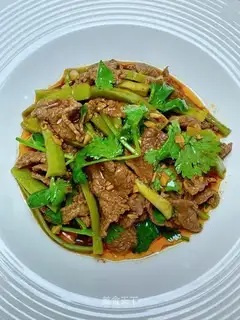
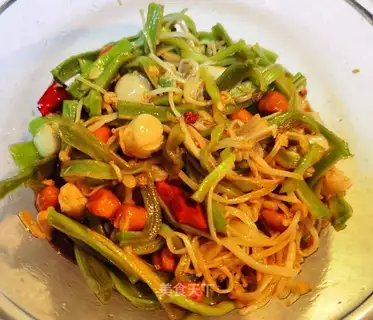
Kucai is commonly used in stir-fries, particularly in Chinese cuisine. It can be cooked with garlic, ginger, and other vegetables like bell peppers or carrots. Stir-frying kucai for a few minutes preserves its crunch and enhances its flavor. It also pairs well with proteins such as chicken, shrimp, or tofu.
3. Soups and Stews
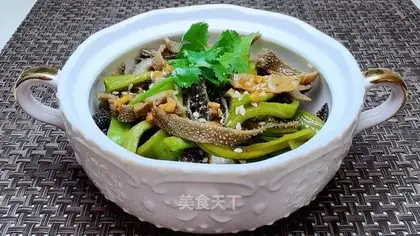
Kucai stems can be added to soups and stews, where they absorb the flavors of the broth while retaining their crispiness. They are often used in hot pot dishes, adding a refreshing element to rich, flavorful broths.
4. Pickling
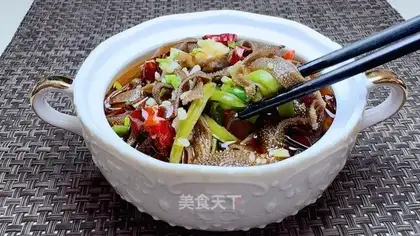
Pickled kucai is a popular delicacy in many regions. The stems are marinated in a mixture of vinegar, sugar, and spices, creating a tangy and crunchy side dish that can be served with rice or noodles.
5. Juicing
Kucai stems can be juiced alone or blended with other fruits and vegetables for a nutrient-rich drink. However, due to its lactucarium content, it is best to limit the amount of kucai in juices to avoid potential sedative effects.
V. Conclusion
Kucai is a nutritional powerhouse that offers a wide range of health benefits, from improved digestion and immune function to heart health and weight management. Its rich vitamin and mineral content, combined with its low calorie and high fiber profile, make it an excellent addition to a balanced diet. However, like any food, it should be consumed in moderation, especially by individuals with specific health conditions or those taking medications. By understanding its nutritional value, health benefits, and precautions, you can enjoy kucai safely and harness its potential to enhance your overall well-being. Whether raw, stir-fried, pickled, or juiced, kucai is a versatile and delicious vegetable that deserves a place in your kitchen.