Introduction
In the tapestry of Chinese culinary and herbal medicine, certain ingredients carry profound cultural and historical significance, and Qingming Cai (清明菜), literally "Qingming vegetable," is a prime example. Also known as Artemisia argyi (艾蒿) or "mugwort" in English, this wild green has been intertwined with Chinese traditions for millennia, particularly during the Qingming Festival (a time of honoring ancestors and welcoming spring). Revered not only for its symbolic value but also for its exceptional nutritional and medicinal properties, Qingming Cai has transitioned from a foraged delicacy to a staple in both traditional dishes and modern wellness routines. This article explores the nutritional profile of Qingming Cai, its diverse health benefits, traditional culinary applications, and important precautions for consumption, offering a comprehensive guide to this "spring gift" from nature.
Nutritional Profile: A Nutrient-Dense Green
Qingming Cai belongs to the Asteraceae family, closely related to tarragon and chamomile. Young leaves and stems are harvested in early spring (typically around the Qingming Festival, hence its name) when they are most tender and nutrient-rich. Its nutritional composition is a testament to why it has been valued as both a food and medicine for centuries.
1. Vitamins
Qingming Cai is a powerhouse of vitamins, particularly fat-soluble vitamins A and E, and water-soluble vitamins C and B complex.
- Vitamin A: As a precursor to retinol, vitamin A is crucial for vision, immune function, and skin health. Qingming Cai contains high levels of beta-carotene, which the body converts to vitamin A. Just 100 grams of fresh leaves provide over 100% of the daily recommended intake (DRI), making it one of the richest plant sources of this nutrient.
- Vitamin C: This antioxidant vitamin supports collagen synthesis, wound healing, and immune defense. Qingming Cai offers approximately 30 mg of vitamin C per 100 grams, rivaling citrus fruits in content. Its presence also enhances iron absorption, making it beneficial for preventing anemia.
- Vitamin E: A potent lipid-soluble antioxidant, vitamin E protects cells from oxidative damage. Qingming Cai is a notable source, particularly in its alpha-tocopherol form, which supports heart health and skin vitality.
- B Vitamins: Leaves are rich in folate (B9), essential for DNA synthesis and cell division, and riboflavin (B2), which aids energy metabolism.
2. Minerals
The vegetable is packed with essential minerals, many of which are often lacking in modern diets.
- Iron: With approximately 7 mg per 100 grams, Qingming Cai is an excellent plant-based source of iron, critical for hemoglobin production and oxygen transport in the blood. Its high vitamin C content further enhances iron absorption, addressing the common issue of low bioavailability in plant foods.
- Calcium: Providing around 300 mg of calcium per 100 grams, it rivals dairy products in density, making it valuable for bone and teeth health, especially for individuals lactose intolerant or following plant-based diets.
- Potassium: This electrolyte regulates blood pressure, fluid balance, and muscle function. Qingming Cai’s potassium content (about 500 mg per 100 grams) helps counteract the effects of sodium, reducing the risk of hypertension.
- Magnesium and Zinc: These minerals support over 300 enzymatic reactions in the body, from energy production to immune regulation. Qingming Cai contributes modest but significant amounts of both.
3. Bioactive Compounds
Beyond macronutrients, Qingming Cai is renowned for its bioactive compounds, which underpin its medicinal properties.
- Artemisinin: A sesquiterpene lactone unique to Artemisia species, artemisinin is celebrated for its antimalarial and anti-inflammatory effects. While young leaves contain lower concentrations than the plant’s roots, its presence contributes to the vegetable’s therapeutic potential.
- Flavonoids: Compounds like quercetin and apigenin act as antioxidants, scavenging free radicals and reducing oxidative stress. They also exhibit anti-allergic and vasodilatory properties, supporting cardiovascular health.
- Terpenes: These volatile compounds, including camphor and pinene, give Qingming Cai its distinctive aromatic scent. Terpenes have antimicrobial, expectorant, and analgesic effects, aiding respiratory health and pain relief.
- Tannins: With mild astringent properties, tannins help soothe inflammation in the digestive tract and may support wound healing.
Health Benefits: From Traditional Medicine to Modern Wellness
The synergy of vitamins, minerals, and bioactive compounds in Qingming Cai confers a wide range of health benefits, validated by both traditional Chinese medicine (TCM) and contemporary scientific research.
1. Anti-Inflammatory and Analgesic Properties
In TCM, Qingming Cai is classified as a "warm" herb with the ability to dispel "cold" and dampness, making it a remedy for inflammatory conditions. Modern studies confirm its anti-inflammatory effects: flavonoids and artemisinin inhibit pro-inflammatory cytokines (such as TNF-α and IL-6), reducing inflammation in conditions like arthritis, muscle pain, and respiratory infections. For example, a 2018 study in Journal of Ethnopharmacology found that Artemisia argyi extract reduced joint swelling in rats with rheumatoid arthritis, highlighting its potential as a natural anti-inflammatory agent.
2. Respiratory Health Support
Qingming Cai has long been used to treat respiratory ailments, from coughs and asthma to bronchitis. Its expectorant properties (due to terpenes) help loosen mucus, while its antimicrobial compounds (e.g., camphor) inhibit the growth of pathogens like Streptococcus pneumoniae. In traditional practices, tea made from dried Qingming Cai leaves is consumed to relieve coughs and clear phlegm. A 2020 study published Phytotherapy Research further supported this, noting that the herb’s extract relaxed tracheal smooth muscles, easing bronchospasms in asthma models.
3. Digestive Aid and Gut Health
The vegetable’s high fiber content (approximately 5 grams per 100 grams) promotes regularity and feeds beneficial gut bacteria, fostering a healthy microbiome. In TCM, it is used to alleviate digestive discomfort, such as bloating and indigestion, due to its "warming" effect on the spleen and stomach. Additionally, its tannins help soothe mucosal inflammation, making it beneficial for conditions like gastritis or mild colitis.
4. Immune System Modulation
Rich in vitamins A, C, and zinc, Qingming Cai bolsters immune function. Vitamin A maintains the integrity of mucosal barriers (e.g., in the respiratory and digestive tracts), while vitamin C enhances white blood cell activity. Zinc, a critical mineral for immune cell development, further supports the body’s defense against infections. Regular consumption may reduce the frequency and severity of colds and flu.
5. Cardiovascular and Metabolic Health
The potassium in Qingming Cai helps regulate blood pressure by balancing sodium levels, while its flavonoids improve endothelial function, enhancing blood flow and reducing the risk of atherosclerosis. A 2019 study in Food & Function found that Artemisia argyi extract lowered LDL ("bad") cholesterol and triglycerides in diabetic rats, suggesting potential benefits for metabolic syndrome.
6. Women’s Health
In TCM, Qingming Cai is used to treat menstrual disorders, such as dysmenorrhea (painful periods) and irregular cycles. Its ability to "warm the uterus" and improve blood circulation is believed to alleviate cramps and regulate menstruation. Some studies also indicate that its anti-inflammatory effects may reduce symptoms of endometriosis, though more research is needed in this area.
7. Skin and Wound Healing
The combination of vitamins A, C, and E makes Qingming Cai a boon for skin health. Vitamin A promotes cell turnover, vitamin C aids collagen synthesis, and vitamin E protects against UV damage. Topically, mashed leaves (applied as a poultice) have been traditionally used to heal wounds, burns, and insect bites, thanks to their antimicrobial and anti-inflammatory properties.
Traditional Culinary Uses: A Taste of Spring
Qingming Cai’s culinary history is as rich as its nutritional profile. In many regions of China, particularly the south, it is a star ingredient in spring dishes, celebrated for its fresh, slightly bitter, and aromatic flavor.
1. Qingming Cai Cake (清明粿)
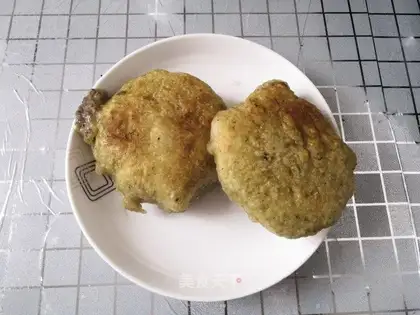
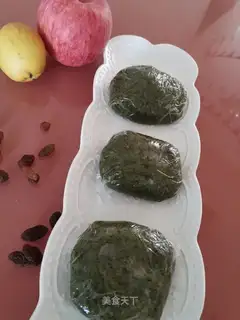
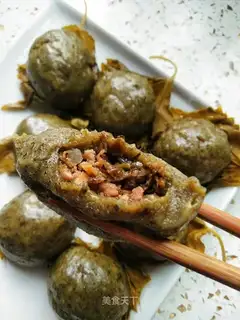
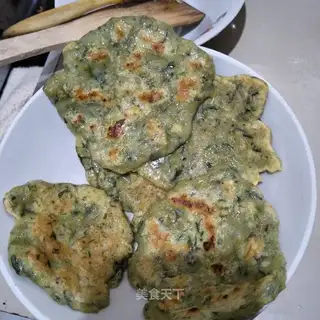
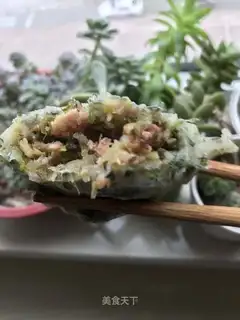
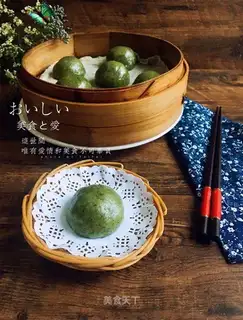
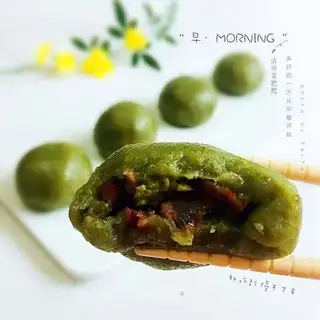
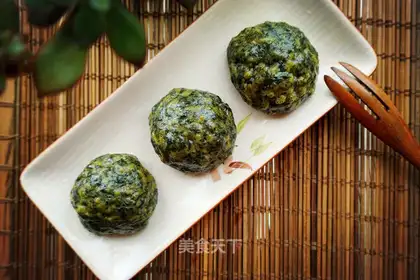
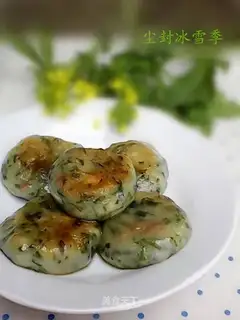
The most iconic preparation is Qingming Cai cake, a sticky rice cake wrapped in bamboo leaves. Young Qingming Cai leaves are finely chopped and mixed with glutinous rice flour, sometimes combined with sweet fillings (red bean paste, osmanthus) or savory ones (tofu, mushrooms). The cake is steamed or boiled, imparting a unique herbal fragrance and tender texture. This dish is not only a seasonal delicacy but also a symbol of gratitude and renewal, as it is often offered to ancestors during the Qingming Festival.
2. Stir-Fries and Soups
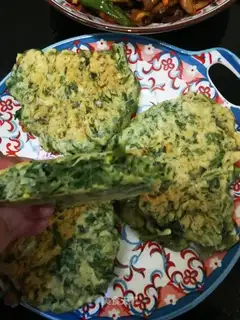
Fresh or blanched Qingming Cai is commonly stir-fried with garlic, tofu, or pork, balancing its bitterness with savory ingredients. It is also added to soups, such as egg drop soup or bone broth, where its flavor infuses the broth, adding depth and nutrition. In some regions, it is blanched and dressed with sesame oil and soy sauce, served as a simple, healthy side dish.
3. Teas and Infusions
Dried Qingming Cai leaves are steeped to make a fragrant tea, valued for its calming and digestive benefits. The tea is often consumed after meals to aid digestion or during cold weather to "warm the body." It may also be blended with other herbs, such as chrysanthemum or goji berries, to enhance its flavor and therapeutic effects.
Precautions and Potential Side Effects
While Qingming Cai offers numerous health benefits, it is not without precautions. Like many potent herbs, it must be consumed in moderation and with awareness of individual health conditions.
1. Pregnancy and Lactation
Pregnant women should avoid large quantities of Qingming Cai, as it contains artemisinin, which has uterine-stimulating properties. High doses may increase the risk of miscarriage. Lactating women should consult a healthcare provider before use, as safety data during breastfeeding is limited.
2. Allergies and Sensitivities
Individuals allergic to plants in the Asteraceae family (e.g., ragweed, chrysanthemums, daisies) may experience allergic reactions to Qingming Cai, such as skin rashes, itching, or respiratory distress. A patch test is recommended for first-time consumers.
3. Blood Clotting and Anticoagulants
Qingming Cai contains coumarins, compounds that may have anticoagulant (blood-thinning) effects. Individuals taking blood-thinning medications (e.g., warfarin, aspirin) or those with bleeding disorders should avoid excessive consumption, as it may increase the risk of bleeding.
4. Gastrointestinal Irritation
The high fiber and tannin content may cause digestive discomfort (e.g., bloating, diarrhea) in sensitive individuals, especially when consumed raw or in large amounts. Cooking the leaves (e.g., stir-frying, steaming) reduces their astringency and makes them easier to digest.
5. Dosage and Moderation
As with any herb, moderation is key. The recommended daily intake of fresh Qingming Cai is 50–100 grams, while dried leaves should be limited to 5–10 grams. Excessive consumption may lead to nausea, dizziness, or liver strain due to the accumulation of bioactive compounds like artemisinin.
6. Drug Interactions
Qingming Cai may interact with certain medications, including antidiabetic drugs (due to its potential blood sugar-lowering effects) and antihypertensive drugs (as it may lower blood pressure). Individuals taking regular medications should consult a healthcare provider before incorporating it into their diet.
Conclusion
Qingming Cai is more than just a seasonal vegetable—it is a cultural icon, a nutritional powerhouse, and a medicinal treasure. Its rich profile of vitamins, minerals, and bioactive compounds supports a wide range of health benefits, from reducing inflammation and boosting immunity to promoting digestive and respiratory health. Traditional culinary applications, such as Qingming Cai cake, connect modern eaters to centuries of cultural heritage, while scientific research continues to validate its therapeutic potential.
However, as with any potent natural remedy, responsible consumption is essential. By understanding its benefits and precautions, individuals can harness the power of Qingming Cai safely, incorporating this "spring gift" into a balanced diet for optimal health. Whether enjoyed as a fragrant tea, a savory stir-fry, or a symbolic festival food, Qingming Cai remains a timeless testament to the wisdom of using nature’s bounty to nourish the body and spirit.