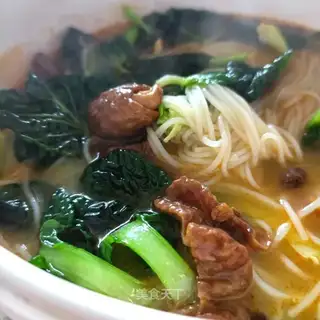
Among the diverse array of leafy greens that grace global tables, tatsoi (Brassica rapa var. rosularis) stands out as a nutrient-dense, versatile, and often underrated vegetable. With its small, spoon-shaped leaves, rosette-like growth pattern, and mild, peppery flavor reminiscent of spinach and mustard greens, tatsoi has been a staple in Asian cuisines for centuries. Today, it is gaining popularity in Western countries as health-conscious consumers seek out superfoods packed with vitamins, minerals, and antioxidants. This article explores the nutritional profile of tatsoi, its scientifically supported health benefits, potential dietary precautions, and creative ways to incorporate it into a balanced diet.
I. Nutritional Profile of Tatsoi
Tatsoi belongs to the Brassicaceae family, which also includes kale, broccoli, and cabbage, all renowned for their exceptional nutritional value. A 100-gram serving of raw tatsoi (approximately 2 cups) provides a wealth of essential nutrients while being low in calories, making it an ideal choice for weight management and overall wellness.
1. Vitamins
- Vitamin K: Tatsoi is one of the richest plant-based sources of vitamin K, with a 100-gram serving providing around 300 micrograms (mcg), or over 250% of the daily recommended intake (DRI). Vitamin K is crucial for blood clotting, bone metabolism, and vascular health, as it helps activate proteins that regulate calcium deposition in bones and prevent arterial calcification.
- Vitamin C: A 100-gram serving of tatsoi delivers approximately 45 mg of vitamin C, meeting 50% of the DRI. This powerful antioxidant supports immune function, collagen synthesis, and skin health, while also enhancing iron absorption from plant-based sources.
- Vitamin A: Tatsoi contains beta-carotene, a precursor to vitamin A, which is essential for vision, immune function, and cell growth. A 100-gram serving provides over 20% of the DRI for vitamin A, helping to maintain healthy mucous membranes and protect against oxidative stress.
- Folate (Vitamin B9): With around 80 mcg per 100 grams, tatsoi contributes to the DRI for folate, a B vitamin vital for DNA synthesis, cell division, and fetal development during pregnancy.
2. Minerals
- Calcium: Tatsoi offers approximately 120 mg of calcium per 100 grams, making it a valuable plant-based source for individuals who avoid dairy. Calcium is critical for bone health, muscle contraction, and nerve signaling.
- Iron: Providing about 1.8 mg of iron per 100 grams (10% of the DRI), tatsoi supports the production of hemoglobin and oxygen transport throughout the body. When consumed with vitamin C-rich foods, its iron absorption is significantly enhanced.
- Potassium: Tatsoi contains around 230 mg of potassium per 100 grams, which helps regulate blood pressure, fluid balance, and muscle function. Potassium counteracts the effects of sodium, reducing the risk of hypertension and stroke.
- Manganese: A trace mineral found in tatsoi (0.2 mg per 100 grams), manganese acts as a cofactor for enzymes involved in antioxidant defense, bone formation, and metabolism.
3. Antioxidants and Phytochemicals
Tatsoi is rich in bioactive compounds that combat oxidative stress and inflammation, two key drivers of chronic diseases. Notable phytochemicals include:
- Glucosinolates: These sulfur-containing compounds, unique to cruciferous vegetables, are broken down into isothiocyanates (e.g., sulforaphane) when chewed or digested. Sulforaphane has been studied for its anti-cancer properties, as it helps detoxify carcinogens, inhibit tumor growth, and reduce inflammation.
- Flavonoids: Tatsoi contains quercetin and kaempferol, flavonoids that exhibit antioxidant, anti-inflammatory, and anti-allergic effects. They may also support cardiovascular health by improving blood vessel function and lowering LDL cholesterol.
- Carotenoids: In addition to beta-carotene, tatsoi provides lutein and zeaxanthin, carotenoids that accumulate in the eyes and protect against age-related macular degeneration (AMD) and cataracts.
4. Fiber and Low-Calorie Content
Tatsoi is an excellent source of dietary fiber, with 2.6 grams per 100 grams. Fiber promotes digestive health by preventing constipation, feeding beneficial gut bacteria, and regulating blood sugar levels. Moreover, tatsoi is low in calories (around 18 kcal per 100 grams), making it a perfect food for weight loss or maintenance.
II. Health Benefits of Tatsoi
The combination of vitamins, minerals, antioxidants, and fiber in tatsoi contributes to a wide range of health benefits, backed by scientific research.
1. Supports Bone Health
Tatsoi’s high vitamin K and calcium content makes it a bone-boosting superfood. Vitamin K activates osteocalcin, a protein that binds calcium to bones, enhancing their density and strength. Studies show that adequate vitamin K intake reduces the risk of fractures, particularly in postmenopausal women. Additionally, calcium and manganese in tatsoi further support bone mineralization, preventing osteoporosis.
2. Enhances Immune Function
The abundance of vitamin C and vitamin A in tatsoi strengthens the immune system. Vitamin C stimulates the production of white blood cells, which defend against pathogens, and acts as an antioxidant to protect immune cells from oxidative damage. Vitamin A maintains the integrity of mucosal surfaces (e.g., respiratory and digestive tracts), acting as a first line of defense against infections.
3. Promotes Heart Health
Tatsoi’s heart-protective effects stem from its potassium, fiber, and antioxidant content. Potassium helps lower blood pressure by counteracting sodium’s effects, while fiber reduces LDL (“bad”) cholesterol and prevents arterial plaque buildup. Sulforaphane and flavonoids further support cardiovascular health by reducing inflammation, improving endothelial function, and inhibiting blood clot formation.
4. Aids in Weight Management
With its low calorie and high fiber content, tatsoi is an excellent food for weight loss. Fiber increases satiety, reducing overall calorie intake by keeping you full longer. Additionally, tatsoi’s high water content (over 90%) adds volume to meals without adding calories, making it a satisfying yet low-energy-dense food.
5. Anti-Cancer Properties
Cruciferous vegetables like tatsoi are renowned for their cancer-fighting potential, largely due to glucosinolates and sulforaphane. Sulforaphane activates phase II detoxification enzymes, which neutralize carcinogens before they can damage DNA. It also inhibits the growth of cancer cells and promotes apoptosis (programmed cell death) in tumors. Research suggests that regular consumption of cruciferous vegetables may reduce the risk of lung, breast, colon, and prostate cancers.
6. Improves Digestive Health
Tatsoi’s fiber content supports a healthy gut by promoting regular bowel movements and feeding beneficial gut bacteria (probiotics). A healthy gut microbiome is linked to improved immunity, reduced inflammation, and lower risk of digestive disorders like irritable bowel syndrome (IBS) and diverticulitis. Additionally, tatsoi’s mild laxative effect can help alleviate constipation.
7. Protects Eye Health
The lutein and zeaxanthin in tatsoi accumulate in the macula, the central part of the retina, where they filter harmful blue light and protect against oxidative damage. Studies show that higher intake of these carotenoids reduces the risk of AMD and cataracts, two leading causes of vision loss in older adults.
III. Potential Side Effects and Precautions
While tatsoi is highly nutritious, certain individuals should consume it in moderation or with caution due to its bioactive compounds.
1. Goitrogenic Effects
Tatsoi, like other cruciferous vegetables, contains goitrogens—compounds that can interfere with thyroid function by inhibiting the uptake of iodine. In individuals with iodine deficiency or pre-existing thyroid conditions (e.g., hypothyroidism), excessive consumption of raw tatsoi may exacerbate thyroid dysfunction. Cooking tatsoi reduces its goitrogen content by breaking down these compounds, making it safer for those with thyroid issues.
2. Blood Clotting Risks
Tatsoi’s high vitamin K content can interact with blood-thinning medications (e.g., warfarin), which work by inhibiting vitamin K-dependent clotting factors. Individuals taking such medications should maintain consistent vitamin K intake and consult their doctor before significantly increasing tatsoi consumption to avoid reducing the medication’s effectiveness.
3. Digestive Discomfort
Tatsoi’s high fiber and sulfur content may cause bloating, gas, or diarrhea in some people, especially when consumed in large amounts or introduced suddenly into the diet. Gradually increasing intake and cooking tatsoi can help minimize these side effects.
4. Allergic Reactions
Although rare, individuals allergic to other cruciferous vegetables (e.g., broccoli, cabbage) may experience allergic reactions to tatsoi, such as skin rashes, itching, or digestive upset. Those with known allergies should exercise caution.
IV. Culinary Uses and Preparation Tips
Tatsoi’s mild, slightly peppery flavor and tender texture make it a versatile ingredient in a variety of dishes. Here are some creative ways to incorporate it into your diet:
1. Raw Consumption
Tatsoi can be eaten raw in salads, sandwiches, or wraps. Its small, delicate leaves add a crisp texture and a hint of peppiness. Combine it with other greens, cherry tomatoes, cucumbers, and a light vinaigrette for a refreshing salad.
2. Cooking Methods
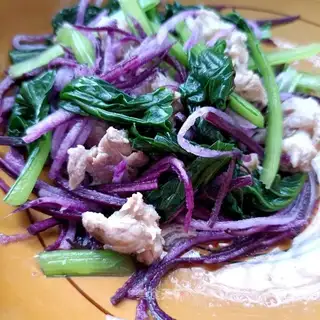
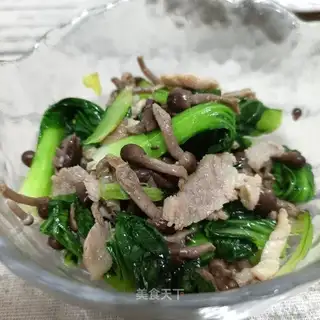
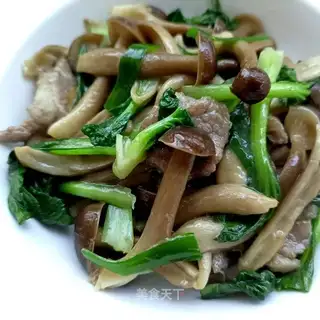
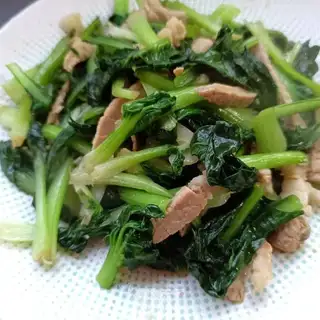
- Stir-frying: Tatsoi wilts quickly when stir-fried, making it perfect for quick Asian-inspired dishes. Sauté it with garlic, ginger, and soy sauce, and add tofu, shrimp, or mushrooms for a complete meal.
- Steaming or Boiling: Lightly steaming or boiling tatsoi preserves its nutrients while reducing its goitrogen content and bitterness. Serve it as a side dish with a drizzle of olive oil and lemon juice.
- Soups and Stews: Add tatsoi to the last few minutes of cooking soups or stews to retain its texture and nutrients. It pairs well with miso, broth-based soups, and vegetable curries.
- Smoothies: Blend a handful of raw tatsoi into green smoothies with fruits like banana, pineapple, and spinach for a nutrient boost. Its mild flavor is easily masked by other ingredients.
3. Storage
To keep tatsoi fresh, store it in a plastic bag or container in the refrigerator for up to a week. Avoid washing it until ready to use, as excess moisture can cause spoilage.
V. Conclusion
Tatsoi is a nutritional powerhouse that offers an impressive array of vitamins, minerals, antioxidants, and fiber, supporting bone health, immune function, heart health, and more. Its versatility in the kitchen, from raw salads to cooked dishes, makes it an easy and delicious addition to a healthy diet. While precautions exist for individuals with thyroid issues or those on blood-thinning medications, moderate consumption—preferably cooked—can mitigate potential risks. As research continues to uncover the benefits of cruciferous vegetables, tatsoi is poised to become a mainstream superfood, celebrated for its flavor, nutrition, and disease-fighting properties. By incorporating tatsoi into your meals, you can take a delicious step toward better health.