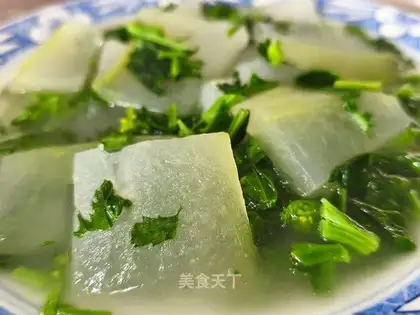
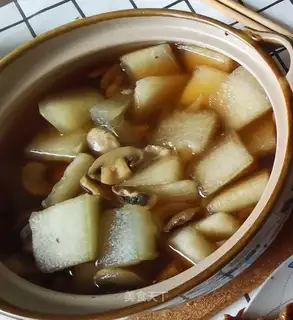
Winter melon (Benincasa hispida), a humble yet versatile vegetable, has been a staple in Asian cuisine and traditional medicine for centuries. With its mild flavor, long shelf life, and impressive nutritional profile, it is often called the "queen of winter vegetables" in China. Despite its unassuming appearance, winter melon is packed with essential vitamins, minerals, and bioactive compounds that offer a wide range of health benefits. This article explores the nutritional value of winter melon, its scientifically supported health benefits, and important precautions to consider when consuming it.
I. Nutritional Value of Winter Melon
Winter melon is a low-calorie, nutrient-dense food, making it an excellent choice for weight management and overall health. A 100-gram serving of raw winter melon contains approximately:
- Calories: 15 kcal, nearly 90% of which is water.
- Carbohydrates: 2.6 grams, mostly fiber and natural sugars.
- Protein: 0.4 grams, a modest amount but valuable for plant-based diets.
- Dietary Fiber: 1.3 grams, aiding digestion and gut health.
- Vitamins:
- Vitamin C: 18 mg (30% of the Daily Value, DV), a potent antioxidant that boosts immunity and skin health.
- Vitamin B6: 0.1 mg (8% DV), essential for metabolism and nervous system function.
- Folate: 7 µg (2% DV), important for cell growth and DNA synthesis.
- Minerals:
- Potassium: 87 mg (2% DV), which helps regulate blood pressure and fluid balance.
- Magnesium: 8 mg (2% DV), supporting muscle and nerve function.
- Iron: 0.2 mg (1% DV), crucial for oxygen transport in the blood.
- Bioactive Compounds:
- Cucurbitacins: Triterpenoid compounds with anti-inflammatory and potential anti-cancer properties.
- Saponins: Plant compounds that may help lower cholesterol and boost immune activity.
- Lectins: Proteins that exhibit antimicrobial and anti-diabetic effects.
Its high water content (over 90%) makes winter melon exceptionally hydrating, while its low glycemic index (GI) of 15 ensures it does not cause rapid spikes in blood sugar, making it suitable for diabetics.
II. Health Benefits of Winter Melon
The combination of nutrients and bioactive compounds in winter melon contributes to numerous health benefits, backed by both traditional use and modern scientific research.
1. Promotes Weight Loss and Metabolic Health
Winter melon is a dieter’s dream food due to its low calorie and high water content. A 100-gram serving provides just 15 calories, making it easy to incorporate into meals without exceeding daily calorie goals. The fiber in winter melon (1.3 grams per 100 grams) slows digestion, promotes satiety, and reduces overall calorie intake. Studies suggest that high-water, high-fiber foods like winter melon can aid in weight management by increasing feelings of fullness and reducing snacking.
Additionally, winter melon contains cucurbitacin E, a compound that has been shown to enhance insulin sensitivity in animal studies. Improved insulin sensitivity helps the body use glucose more efficiently, reducing the risk of type 2 diabetes.
2. Supports Heart Health
Winter melon’s potassium content plays a key role in cardiovascular health. Potassium counteracts the effects of sodium, helping to relax blood vessels and lower blood pressure. A diet rich in potassium is associated with a reduced risk of stroke and heart disease.
Moreover, winter melon contains saponins, which have been found to lower LDL ("bad") cholesterol levels by inhibiting cholesterol absorption in the gut. A 2018 study published the Journal of Agricultural and Food Chemistry demonstrated that saponins from winter melon reduced cholesterol in mice by 30%, highlighting their potential for managing hyperlipidemia.
3. Enhances Immune Function
Vitamin C is a cornerstone of immune health, and winter melon is a good plant-based source. A 100-gram serving provides 30% of the DV for vitamin C, which stimulates the production of white blood cells and acts as an antioxidant to protect cells from free radical damage.
Winter melon also contains cucurbitacins, which have immunomodulatory effects. These compounds can activate macrophages (immune cells that engulf pathogens) and enhance the body’s defense against infections. Traditional Chinese Medicine (TCM) often prescribes winter melon soup during cold and flu season to "detoxify" the body and boost immunity.
4. Aids Digestion and Gut Health
The fiber in winter melon promotes regular bowel movements and prevents constipation by adding bulk to stool. Soluble fiber, in particular, acts as a prebiotic, feeding beneficial gut bacteria like Bifidobacterium and Lactobacillus. A healthy gut microbiome is linked to improved digestion, reduced inflammation, and even enhanced mental health.
Winter melon’s high water content also softens stool, making it easier to pass, which is particularly beneficial for individuals with irritable bowel syndrome (IBS) or chronic constipation.
5. Has Anti-Cancer Potential
While more research is needed, preliminary studies suggest that winter melon’s bioactive compounds may have anti-cancer properties. Cucurbitacins have been shown to induce apoptosis (programmed cell death) in cancer cells, particularly in breast, lung, and colon cancers. A 2020 study in Phytotherapy Research found that cucurbitacin B from winter melon inhibited the growth of human colon cancer cells by 50% in vitro.
Additionally, saponins in winter melon have demonstrated anti-tumor effects by blocking the proliferation of cancer cells and preventing angiogenesis (the formation of new blood vessels that tumors need to grow).
6. Promotes Skin and Hair Health
The vitamin C in winter melon is essential for collagen synthesis, a protein that keeps skin firm and elastic. Collagen degradation leads to wrinkles and sagging, so adequate vitamin C intake can help maintain youthful skin. Winter melon’s high water content also hydrates the skin from within, reducing dryness and flakiness.
Furthermore, winter melon contains vitamin B6, which plays a role in melanin production and can help prevent hair loss and graying. The vegetable’s antioxidant properties also protect skin cells from UV damage and pollution, slowing down the aging process.
III. Precautions and Potential Side Effects
While winter melon is generally safe for most people, certain precautions should be taken to avoid adverse effects.
1. Not for Individuals with Cold Sensitivity or Weak Digestion
In Traditional Chinese Medicine (TCM), winter melon is considered "cold-natured," meaning it has a cooling effect on the body. People with a "cold constitution" (e.g., those who often feel cold, have poor digestion, or suffer from diarrhea) should consume it in moderation. Excessive intake may worsen symptoms such as bloating, loose stools, or abdominal pain.
2. May Interact with Blood Pressure Medications
Winter melon is high in potassium, which can interact with certain blood pressure medications, such as ACE inhibitors (e.g., lisinopril) and potassium-sparing diuretics (e.g., spironolactone). Combining high-potassium foods with these medications can lead to hyperkalemia (high potassium levels), which may cause irregular heartbeats or muscle weakness. Individuals taking such medications should consult their doctor before increasing winter melon intake.
3. Not Recommended During Pregnancy in Excess
While moderate consumption is safe, excessive winter melon intake during pregnancy is not advised in TCM due to its "cooling" properties, which may lead to digestive issues or cold-related discomfort in pregnant women. However, modern research does not support significant risks, so moderation is key.
4. Avoid Cooking with Excessive Oil
Winter melon is often stir-fried or used in rich soups, which can increase its calorie and fat content significantly. To preserve its health benefits, opt for steaming, boiling, or light stir-frying with minimal oil. Avoid adding excessive salt or high-sodium condiments, as this can negate its blood pressure-lowering effects.
5. Allergic Reactions are Rare
Some individuals may be allergic to winter melon, especially those with allergies to other cucurbit family vegetables (e.g., cucumber, zucchini). Symptoms may include itching, hives, or swelling. If an allergic reaction occurs, discontinue consumption and seek medical attention.
IV. Culinary Uses and Tips for Incorporating Winter Melon
Winter melon’s mild flavor and soft texture make it a versatile ingredient in various cuisines. Here are some popular ways to enjoy it:
1. Winter Melon Soup: A classic dish in Chinese and Southeast Asian cuisine, often with pork ribs, chicken, or dried seafood. The soup absorbs the flavors of other ingredients while retaining winter melon’s nutritional benefits.
2. Stir-Fried Winter Melon: Quick-cooked with garlic, ginger, and vegetables for a light, healthy side dish.
3. Winter Melon Juice: Blended with a small amount of honey or lemon for a refreshing, low-calorie drink.
4. Pickled Winter Melon: Preserved in vinegar and spices as a condiment to accompany meals.
5. Winter Melon Dessert: In some regions, winter melon is cooked with sugar and agar-agar to make a jelly-like dessert.
To maximize nutritional retention, avoid overcooking winter melon. Steaming or stir-frying for 5–7 minutes preserves its vitamin C and antioxidant content better than boiling for long periods.
V. Conclusion
Winter melon is a nutritional powerhouse that offers a wide range of health benefits, from weight loss and heart health to immune support and anti-cancer potential. Its low calorie, high fiber, and rich nutrient profile make it an excellent addition to a balanced diet. However, individuals with cold sensitivity, digestive issues, or those taking blood pressure medications should consume it in moderation.
By incorporating winter melon into meals wisely, one can harness its therapeutic properties while minimizing risks. Whether in a hearty soup, a light stir-fry, or a refreshing juice, this humble vegetable proves that great things often come in unassuming packages. As modern science continues to validate traditional uses, winter melon is likely to remain a staple in both kitchens and medicine cabinets for generations to come.