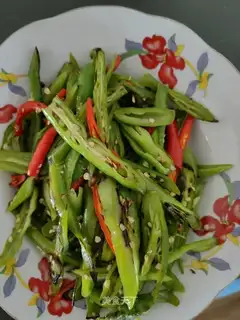
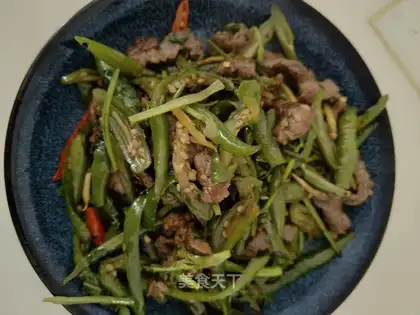
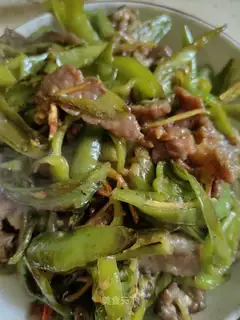
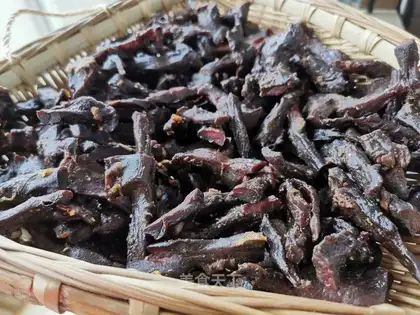
Chilies, with their vibrant colors and fiery flavors, have long been staples in global cuisines, adding depth, heat, and character to dishes. Among the diverse varieties, Erjingtiao (二荆条), a medium-hot chili pepper native to China’s Sichuan province, stands out not only for its unique culinary properties but also for its impressive nutritional profile and health-promoting compounds. Renowned for its slender shape, bright red hue, and balanced heat, Erjingtiao is more than just a spice—it is a functional food packed with vitamins, antioxidants, and bioactive compounds. This article explores the nutritional value of Erjingtiao chili, its health benefits, potential side effects, and practical tips for consumption, shedding light on why this humble pepper deserves a place in a healthy diet.
I. Nutritional Profile of Erjingtiao Chili
Erjingtiao chili (Capsicum annuum L. var. annuum) belongs to the nightshade family and is prized for its moderate spiciness, typically scoring 30,000 to 50,000 on the Scoville Heat Scale. Beyond its culinary appeal, it is a nutrient-dense food, offering a concentrated source of essential vitamins, minerals, and phytochemicals. A 100-gram serving of fresh Erjingtiao chili (approximately 10–15 peppers) contains:
1. Rich in Vitamins
- Vitamin C: Erjingtiao is an exceptional source of vitamin C, providing around 150–200 mg per 100 grams—more than double the amount found in oranges (approximately 50 mg per 100 grams). Vitamin C is a potent antioxidant that boosts immune function, supports collagen synthesis for skin health, and enhances iron absorption from plant-based foods.
- Vitamin A: As a precursor to retinol, vitamin A is abundant in Erjingtiao, thanks to its high content of beta-carotene (a carotenoid pigment responsible for its red color). Vitamin A is vital for vision, immune health, and cell growth.
- Vitamin B6: This chili provides a moderate amount of vitamin B6, which plays a key role in metabolism, neurotransmitter production, and red blood cell formation.
2. Essential Minerals
- Potassium: With approximately 300 mg per 100 grams, Erjingtiao supports heart health by regulating blood pressure and fluid balance. Potassium also aids muscle function and nerve signaling.
- Iron: While not as high as in meat, Erjingtiao’s iron content (around 1.5 mg per 100 grams) is significant for vegetarians and vegans, especially when combined with vitamin C to enhance absorption.
- Manganese: This trace mineral, found in Erjingtiao (0.2 mg per 100 grams), acts as a cofactor for enzymes involved in bone formation, metabolism, and antioxidant defense.
3. Bioactive Compounds
The true health benefits of Erjingtiao lie in its phytochemicals, particularly capsaicinoids (the compounds responsible for heat) and carotenoids.
- Capsaicin: The primary capsaicinoid in Erjingtiao, capsaicin is studied for its anti-inflammatory, analgesic, and metabolic-boosting properties. It gives the chili its characteristic heat and is linked to several health benefits.
- Carotenoids: Beta-carotene, capsanthin (a red carotenoid unique to peppers), and lutein are potent antioxidants that neutralize free radicals, reduce oxidative stress, and may lower the risk of chronic diseases.
II. Health Benefits of Erjingtiao Chili
The combination of vitamins, minerals, and bioactive compounds in Erjingtiao chili contributes to a range of health benefits, from improved metabolism to enhanced immunity.
1. Boosts Metabolism and Weight Management
Capsaicin is well-known for its thermogenic properties, which temporarily increase metabolic rate and fat oxidation. Studies show that consuming capsaicin-rich foods like Erjingtiao can boost energy expenditure by 5–10% for several hours after ingestion. Additionally, capsaicin may reduce appetite and increase feelings of fullness, making it a valuable tool for weight management. A 2020 review in Appetite confirmed that capsaicin supplementation modestly decreases calorie intake, particularly in individuals sensitive to its effects.
2. Supports Cardiovascular Health
Erjingtiao’s potassium and capsaicin content work synergistically to promote heart health. Potassium helps counteract the effects of sodium, lowering blood pressure and reducing the risk of hypertension. Capsaicin, on the other hand, may improve blood lipid profiles by reducing LDL (“bad”) cholesterol and triglycerides while increasing HDL (“good”) cholesterol. A 2019 study in The American Journal of Clinical Nutrition found that regular chili consumption was associated with a 13% lower risk of stroke and a 26% lower risk of death from heart disease.
3. Enhances Immune Function
The high vitamin C content in Erjingtiao makes it a natural immune booster. Vitamin C stimulates the production and function of white blood cells, which are critical for fighting infections. It also acts as an antioxidant, protecting immune cells from damage by free radicals. During cold and flu season, incorporating Erjingtiao into meals may help strengthen the body’s defenses.
4. Anti-Inflammatory and Analgesic Effects
Capsaicin has been used traditionally to alleviate pain, and modern research supports its role as a natural anti-inflammatory agent. It works by desensitizing nerve endings that transmit pain signals, making it effective for conditions like arthritis, neuropathy, and muscle soreness. Topical capsaicin creams are FDA-approved for treating osteoarthritis and nerve pain, and consuming Erjingtiao may provide similar systemic benefits, though in milder forms.
5. Improves Digestive Health
Contrary to the myth that spicy foods irritate the stomach, moderate consumption of Erjingtiao can support digestion. Capsaicin stimulates the production of digestive enzymes, enhancing nutrient absorption. It also promotes gut motility, reducing the risk of constipation. Additionally, capsaicin may help eliminate harmful bacteria like H. pylori, which is linked to ulcers and gastritis. However, individuals with pre-existing digestive conditions should consume it cautiously.
6. Anticancer Potential
Preliminary studies suggest that capsaicin and carotenoids in Erjingtiao may have anticancer properties. Capsaicin has been shown to induce apoptosis (programmed cell death) in cancer cells, particularly in breast, prostate, and lung cancers. Carotenoids like capsanthin and beta-carotene also exhibit antioxidant and anti-proliferative effects, protecting cells from DNA damage that can lead to cancer. While more human trials are needed, these findings highlight Erjingtiao’s potential as a functional food for cancer prevention.
III. Culinary Uses and Versatility
Beyond its health benefits, Erjingtiao is a beloved ingredient in Sichuan cuisine and beyond, prized for its balanced heat and aromatic flavor. Unlike hotter varieties like habaneros or ghost peppers, Erjingtiao offers a “slow burn” that builds gradually, making it versatile for both cooked and raw dishes.
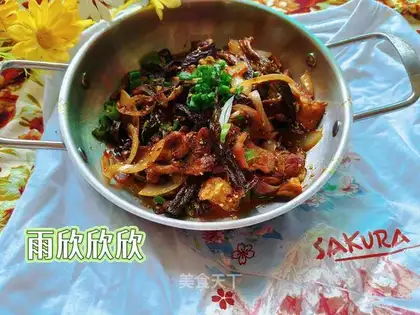
- Stir-fries and Sichuan Cuisine: Erjingtiao is a key ingredient in iconic dishes like Mapo Tofu and Kung Pao Chicken, where it adds heat and depth to spicy sauces. Its slender shape makes it easy to slice, ensuring even distribution in dishes.
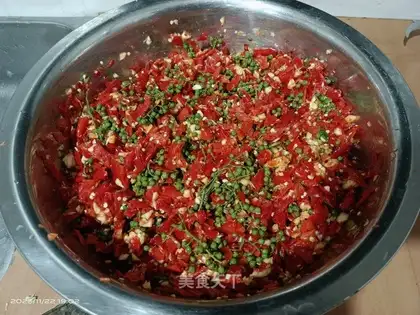
- Pickling and Fermentation: Fresh Erjingtiao is often pickled in vinegar and salt, creating a tangy, spicy condiment that pairs well with rice, noodles, or grilled meats. Fermented chili paste (doubanjiang) also uses Erjingtiao as a base, adding umami and heat to stews and marinades.
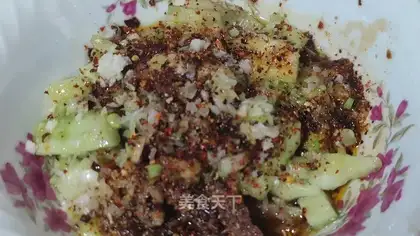
- Raw Salads and Salsas: Milder than other hot peppers, Erjingtiao can be finely chopped and added to salsas, salads, or ceviche for a spicy kick without overpowering other flavors.
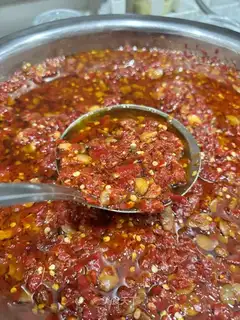
- Infused Oils and Spices: Whole or crushed Erjingtiao is steeped in oil to make chili oil, a versatile condiment used in dressings, drizzles, and dipping sauces. Its vibrant color also makes it a popular garnish.
IV. Precautions and Potential Side Effects
While Erjingtiao chili offers numerous health benefits, moderation is key, as excessive consumption may lead to adverse effects, particularly in sensitive individuals.
1. Digestive Discomfort
For people with irritable bowel syndrome (IBS), gastritis, or acid reflux, capsaicin can exacerbate symptoms such as abdominal pain, bloating, and heartburn. It is advisable to start with small amounts and monitor tolerance.
2. Irritation of Mucous Membranes
Capsaicin can irritate the eyes, nose, and skin. When handling fresh Erjingtiao, it is recommended to wear gloves and avoid touching the face, especially the eyes. Washing hands thoroughly with soap and oil (e.g., coconut oil) can help remove capsaicin residue.
3. Interaction with Medications
Erjingtiao may interact with certain medications, particularly blood thinners (e.g., warfarin) and antihypertensive drugs. Capsaicin can enhance the effects of blood thinners, increasing the risk of bleeding, and may lower blood pressure further when combined with antihypertensive medications. Individuals taking these medications should consult a healthcare provider before consuming large amounts of chili.
4. Pregnancy and Breastfeeding
Pregnant women should consume Erjingtiao in moderation, as excessive spicy foods may cause heartburn or discomfort. While there is no strong evidence linking moderate chili consumption to harm during pregnancy, it is best to consult a doctor if unsure.
5. Allergic Reactions
Though rare, some individuals may be allergic to chili peppers, experiencing symptoms like skin rashes, itching, or difficulty breathing. Those with known allergies should avoid Erjingtiao.
V. Conclusion
Erjingtiao chili is a nutritional powerhouse that offers a unique blend of flavor, heat, and health benefits. From its high vitamin C and potassium content to its metabolism-boosting and anti-inflammatory properties, this versatile pepper can be a valuable addition to a balanced diet. Its culinary versatility makes it easy to incorporate into a variety of dishes, while its moderate heat ensures it can be enjoyed by most people. However, like all foods, moderation is essential, and individuals with specific health conditions should exercise caution. By understanding its nutritional value, benefits, and precautions, one can fully appreciate Erjingtiao chili as both a delicious ingredient and a functional food that supports overall well-being. Whether in a spicy stir-fry, a tangy pickle, or a flavorful salsa, Erjingtiao chili proves that heat and health can go hand in hand.