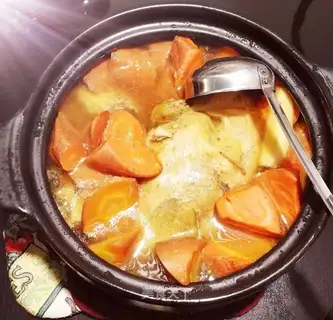
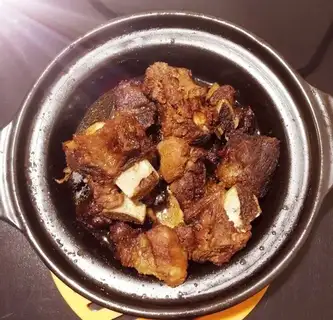
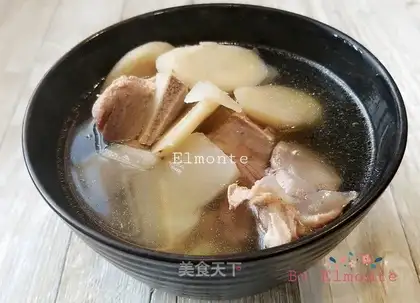
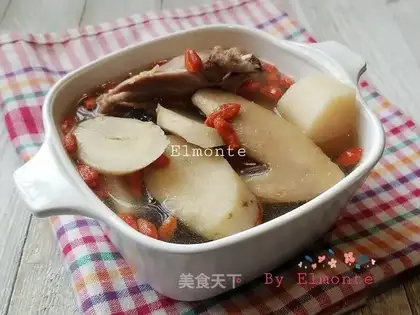
Burdock root (Arctium lappa), a humble biennial plant native to Europe and Northern Asia, has been a staple in traditional medicine and cuisine for centuries. Today, it is gaining global recognition as a "superfood" due to its exceptional nutritional profile and potential health benefits. Often called "gobo" in Japanese cuisine or "beggar’s buttons" for its prickly burrs, this knobby, earthy root vegetable is not only versatile in the kitchen but also a powerhouse of vitamins, minerals, and bioactive compounds. This article explores the nutritional value of burdock root, its evidence-based health benefits, and important precautions to consider before incorporating it into your diet.
I. Nutritional Profile of Burdock Root
Burdock root is a low-calorie, high-fiber food packed with essential nutrients that support overall health. A 100-gram serving of cooked burdock root (approximately half a cup) contains approximately:
- Calories: 72 kcal
- Dietary Fiber: 7 grams (28% of the Daily Value, DV)
- Carbohydrates: 17 grams
- Protein: 2 grams
- Fat: 0.2 grams
- Vitamins:
- Vitamin B6 (15% DV): Crucial for brain function and metabolism.
- Vitamin C (8% DV): An antioxidant that boosts immunity and skin health.
- Vitamin E (5% DV): Protects cells from oxidative damage.
- Folate (5% DV): Essential for DNA synthesis and cell growth.
- Minerals:
- Potassium (10% DV): Regulates blood pressure and fluid balance.
- Manganese (15% DV): Supports bone health and antioxidant enzyme function.
- Iron (8% DV): Vital for oxygen transport and energy production.
- Magnesium (6% DV): Aids muscle and nerve function.
Key Bioactive Compounds
Beyond macronutrients, burdock root’s health benefits are largely attributed to its unique phytochemicals:
- Inulin: A prebiotic fiber that feeds beneficial gut bacteria, promoting digestive health.
- Polyphenols: Including chlorogenic acid and quercetin, which combat inflammation and oxidative stress.
- Lignans: Such as arctigenin, studied for their potential anti-cancer and neuroprotective effects.
- Tannins: Contribute to astringent properties and may help regulate blood sugar.
II. Evidence-Based Health Benefits of Burdock Root
Burdock root has been used in traditional medicine (e.g., Traditional Chinese Medicine and Ayurveda) to treat conditions like skin disorders, digestive issues, and inflammation. Modern research is beginning to validate many of these claims, highlighting its role as a therapeutic food.
1. Supports Digestive Health
The high fiber content, particularly inulin, makes burdock root a digestive aid. Inulin acts as a prebiotic, stimulating the growth of Bifidobacteria and Lactobacilli—beneficial gut microbes that enhance nutrient absorption, reduce bloating, and alleviate constipation. A 2016 study in the Journal of Functional Foods found that inulin supplementation improved bowel regularity and increased stool frequency in individuals with mild constipation.
Additionally, burdock root’s mild diuretic properties help flush toxins from the digestive tract, while its anti-inflammatory compounds soothe the gut lining, making it beneficial for conditions like irritable bowel syndrome (IBS).
2. Promotes Skin Health
Burdock root is a staple in herbal skincare remedies, particularly for treating acne, eczema, and psoriasis. Its anti-inflammatory and antibacterial properties help reduce redness and infection, while its antioxidant content protects skin cells from free radical damage. A 2018 study published in Phytotherapy Research isolated arctigenin, a lignan in burdock root, demonstrating its ability to inhibit pro-inflammatory cytokines (e.g., TNF-α and IL-6) that contribute to skin inflammation.
Topically, burdock root extracts are used in creams and ointments to heal wounds and reduce hyperpigmentation, thanks to their ability to improve blood circulation to the skin.
3. Regulates Blood Sugar
Burdock root may help manage blood sugar levels, making it a valuable food for individuals with diabetes or prediabetes. The root contains polyphenols like chlorogenic acid, which slows carbohydrate absorption and improves insulin sensitivity. A 2020 animal study in Journal of Ethnopharmacology found that burdock root extract reduced fasting blood glucose by 30% in diabetic rats, likely by enhancing glucose uptake in muscle cells.
For humans, incorporating burdock root into meals (e.g., stir-fries or teas) may help post-meal blood sugar spikes, especially when combined with a low-glycemic diet.
4. Boosts Immune Function
Rich in antioxidants (vitamin C, quercetin, and polyphenols), burdock root neutralizes free radicals that weaken the immune system. Quercetin, in particular, has been shown to reduce the severity of allergies and respiratory infections by inhibiting histamine release. A 2019 review in Nutrients highlighted that quercetin’s anti-inflammatory and antiviral properties make it a promising immune-modulating compound.
Burdock root’s diaphoretic (sweat-inducing) effects also help the body eliminate toxins during colds and fevers, supporting faster recovery.
5. Detoxification and Liver Support
In traditional medicine, burdock root is revered as a "blood purifier" and liver tonic. Modern research suggests it enhances liver function by increasing the production of glutathione, a key antioxidant that detoxifies harmful substances like alcohol and environmental pollutants. A 2017 study in Hepatology Reports found that burdock root extract protected liver cells from chemical-induced damage in mice, reducing markers of liver inflammation.
6. Anti-Cancer Potential
Preliminary studies indicate that burdock root’s lignans (e.g., arctigenin) may inhibit cancer cell growth. Arctigenin has been shown to induce apoptosis (programmed cell death) in breast, lung, and colon cancer cells in vitro. While human trials are limited, a 2021 review in Frontiers in Pharmacology emphasized the need for further research, noting that traditional use of burdock root in cancer prevention warrants scientific attention.
III. Culinary Uses and Preparation Tips
Burdock root’s earthy, nutty flavor and crisp texture make it a versatile ingredient in global cuisines:
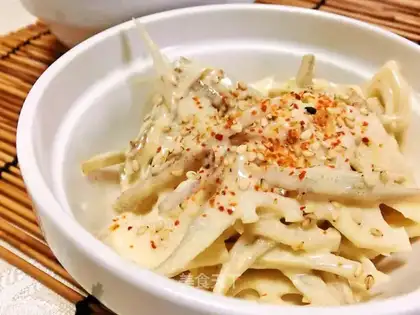
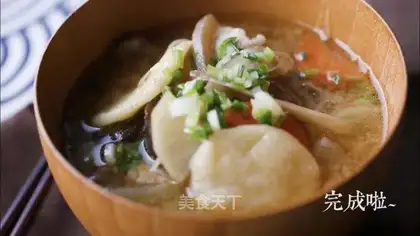
- Japanese Cuisine: "Gobo" is often julienned and stir-fried with carrots and sesame seeds (gobo kinpira) or simmered in soups (nimono).
- Korean Cuisine: "U-eong" is pickled or used in stews (yeollin guk) for its medicinal properties.
- Western Cuisine: Peeled and sliced burdock root can be roasted, boiled, or added to stews, similar to carrots or parsnips.
- Teas and Tinctures: Dried burdock root is steeped to make detox teas, or ground into powder for capsules.
Preparation Tips:
- Peel the skin (it can be tough) and soak sliced root in water with a splash of vinegar to prevent browning.
- Cooking methods like stir-frying or boiling reduce its bitterness and enhance its natural sweetness.
IV. Precautions and Potential Side Effects
While burdock root is safe for most people when consumed in food amounts, caution is advised in certain cases:
1. Allergic Reactions
Individuals with ragweed allergy (or allergies to plants in the Asteraceae family, e.g., daisies and chrysanthemums) may experience cross-reactivity, causing symptoms like itching, rash, or swelling.
2. Blood Sugar and Blood Pressure Effects
Burdock root may lower blood sugar and blood pressure, so individuals taking medications for diabetes or hypertension should monitor their levels closely to avoid hypoglycemia or hypotension.
3. Pregnancy and Breastfeeding
Pregnant or breastfeeding women should avoid burdock root supplements due to limited safety data. While small amounts in food are likely safe, consulting a healthcare provider is recommended.
4. Diuretic Effects
The root’s diuretic properties may increase urine output, leading to dehydration if water intake is not adequate. Individuals with kidney problems should avoid excessive consumption.
5. Drug Interactions
Burdock root may interact with diuretics, diabetes medications, and blood thinners (e.g., warfarin) due to its potential effects on blood sugar, blood pressure, and clotting.
6. Quality of Supplements
Burdock root supplements may be contaminated with toxic compounds if improperly processed. Choose products from reputable brands that test for purity.
V. Conclusion
Burdock root is a nutritional and medicinal gem, offering a unique combination of fiber, vitamins, minerals, and bioactive compounds that support digestive health, skin vitality, blood sugar regulation, and immune function. Its culinary versatility—from stir-fries to teas—makes it an easy addition to a balanced diet. However, like all potent foods, it should be consumed mindfully, with attention to potential allergies and interactions with medications.
As research continues to uncover its therapeutic potential, burdock root stands as a testament to the wisdom of traditional foods, bridging the gap between ancient herbalism and modern nutrition. Whether enjoyed as a crispy side dish or a soothing tea, this humble root is a valuable ally in the pursuit of holistic health.