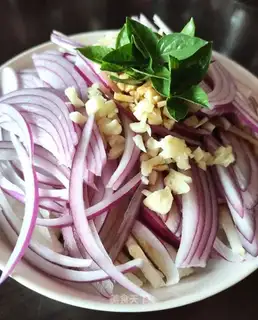
Jicama, scientifically known as Pachyrhizus erosus, is a root vegetable revered for its crisp texture, mildly sweet flavor, and impressive nutritional profile. Native to Central America and now cultivated in tropical and subtropical regions worldwide, this humble tuber—often called the "yam bean" or "Mexican turnip"—has transcended cultural boundaries to become a staple in global cuisine. Beyond its culinary appeal, jicama offers a wealth of health benefits, though it also carries important considerations for safe consumption. This article explores the nutritional value, health benefits, and potential risks associated with jicama, providing a comprehensive guide for incorporating this "superfood" into a balanced diet.
I. Nutritional Profile of Jicama
Jicama is a low-calorie, nutrient-dense food that packs a punch of essential vitamins, minerals, and dietary fiber while being naturally low in fat and protein. A 100-gram serving of raw jicama (approximately half a cup, cubed) contains approximately:
- Calories: 38–42 kcal
- Carbohydrates: 8.8–9 grams (mostly from fiber and natural sugars)
- Dietary Fiber: 4.9–6 grams (nearly 20% of the daily recommended intake)
- Protein: 0.9–1.3 grams
- Fat: 0.1–0.2 grams
- Vitamin C: 20–25 mg (34% of the daily value, DV)
- Potassium: 150–180 mg (4% DV)
- Folate (B9): 12–15 mcg (4% DV)
- Manganese: 0.1 mg (5% DV)
- Small amounts of calcium, iron, magnesium, and B vitamins
Its high water content (85–90%) makes it hydrating and low in energy density, making it an ideal choice for weight management diets. The standout nutrients in jicama are its dietary fiber and vitamin C, both of which play critical roles in overall health.
II. Key Health Benefits of Jicama
1. Supports Digestive Health
Jicama is a rich source of inulin, a type of soluble fiber that acts as a prebiotic. Prebiotics feed beneficial gut bacteria, such as Lactobacillus and Bifidobacterium, which are essential for maintaining a healthy gut microbiome. A balanced microbiome enhances nutrient absorption, strengthens the gut barrier, and reduces inflammation. Additionally, the fiber in jicama adds bulk to stool, promoting regular bowel movements and preventing constipation. For individuals with irritable bowel syndrome (IBS) or sensitive digestion, jicama’s mild, non-gassy fiber (unlike beans or cabbage) makes it a soothing option.
2. Boosts Immune Function
With one serving providing over 30% of the DV for vitamin C, jicama is a potent immune booster. Vitamin C is a powerful antioxidant that neutralizes free radicals, reduces oxidative stress, and supports the production of white blood cells, which are critical for fighting infections. Regular consumption of jicama may help reduce the duration and severity of colds and flu, and it also plays a role in collagen synthesis, aiding wound healing and skin health.
3. Aids in Weight Management
Jicama’s low calorie, high fiber, and high water content make it a valuable food for weight control. Fiber slows digestion, increasing satiety and reducing overall calorie intake. For example, replacing a high-calorie snack (like chips or cookies) with a cup of cubed jicama can save over 200 calories while providing similar volume and crunch. Studies suggest that high-fiber diets are associated with lower body weight and reduced risk of obesity, making jicama a smart addition to weight loss plans.
4. Regulates Blood Sugar Levels
Jicama has a low glycemic index (GI) of 15, meaning it causes a slow, gradual rise in blood sugar levels. This is due to its high fiber content, which slows the absorption of carbohydrates in the gut. For individuals with diabetes or insulin resistance, incorporating jicama into meals can help prevent blood sugar spikes. A 2021 study published in the Journal of Medicinal Food found that participants who consumed jicama extract experienced significant improvements in fasting blood glucose and insulin sensitivity compared to a control group.
5. Promotes Heart Health
Jicama contributes to cardiovascular health in multiple ways. Its potassium content helps regulate blood pressure by counteracting the effects of sodium, while its fiber binds to cholesterol in the digestive system, reducing LDL ("bad") cholesterol levels. Additionally, the antioxidants in jicama, such as vitamin C and flavonoids, protect blood vessels from oxidative damage, lowering the risk of atherosclerosis and heart disease. A 2018 review in Nutrients highlighted that high-fiber, low-GI diets like those rich in jicama are associated with a 20–30% lower risk of cardiovascular events.
6. Enhances Skin and Hair Health
The vitamin C in jicama is essential for collagen production, a protein that maintains skin elasticity and prevents wrinkles. Collagen also supports hair strength and growth, reducing breakage. Jicama’s antioxidant content further protects skin from UV damage and pollution, slowing signs of aging. For those seeking natural ways to improve skin and hair health, jicama can be consumed raw in salads, blended into juices, or applied topically (as a soothing mask for irritated skin).
III. Culinary Uses and Versatility
Beyond its health benefits, jicama’s mild, slightly sweet flavor and crunchy texture make it a culinary chameleon. It can be eaten raw or cooked, and its neutral taste allows it to absorb flavors from dressings, spices, and marinades. Common culinary preparations include:
- Raw: Peeled and sliced into sticks for snacking, or added to salads for crunch.
- Juiced: Blended with fruits like pineapple or cucumber for a refreshing, nutrient-dense beverage.
- Stir-fried: Cubed and cooked with vegetables, tofu, or meat for a crisp-tender side dish.
- Boiled or steamed: Softer than when raw, jicama can be mashed or used in soups.
- Pickled: Marinated in vinegar, lime juice, and spices for a tangy condiment.
In Mexican cuisine, jicama is often sprinkled with chili powder, lime juice, and salt as a street food snack. In Southeast Asia, it is commonly added to salads like yum in Thailand or rojak in Malaysia. Its versatility makes it easy to incorporate into both sweet and savory dishes, appealing to a wide range of palates.
IV. Precautions and Potential Side Effects
While jicama is generally safe for most people, there are important precautions to consider:
1. Toxicity of the Plant Parts
Only the tuber (flesh) of jicama is edible. The leaves, stems, seeds, and pods contain rotenone, a natural pesticide toxic to humans and animals. Rotenone can cause nausea, vomiting, dizziness, and even respiratory failure if ingested in large amounts. Always purchase jicama from reputable sources and ensure the skin is peeled (the skin is tough and may harbor contaminants).
2. Allergic Reactions
Though rare, some individuals may be allergic to jicama, especially those with allergies to other legumes (e.g., peanuts, soybeans). Symptoms can include itching, hives, swelling, or anaphylaxis. If you experience a reaction after consuming jicama, seek medical attention immediately.
3. Digestive Discomfort
While jicama’s fiber is beneficial for most people, consuming large amounts (especially suddenly) may cause bloating, gas, or diarrhea. To avoid this, start with small servings (e.g., 1/4 cup) and gradually increase intake as your digestive system adjusts. Individuals with FODMAP intolerance should be cautious, as jicama’s inulin content may trigger symptoms in sensitive individuals.
4. Blood Sugar Medication Interactions
Due to its potential to lower blood sugar, jicama may interact with diabetes medications (e.g., metformin, insulin). If you take blood sugar-lowering drugs, monitor your levels closely and consult your doctor before adding jicama to your diet regularly.
5. Pesticide Residues
Conventionally grown jicama may contain pesticide residues. To minimize exposure, wash the tuber thoroughly under running water, peel it, or opt for organic jicama when possible.
V. Conclusion
Jicama is a nutritional powerhouse that offers a unique combination of fiber, vitamins, and minerals, making it a valuable addition to a healthy diet. From supporting digestion and immunity to aiding weight management and heart health, its benefits are backed by both traditional use and modern science. However, it is essential to consume jicama responsibly—avoiding toxic plant parts, moderating intake for those with sensitive digestion, and being mindful of potential allergies or medication interactions.
Whether enjoyed raw as a crunchy snack, blended into a refreshing juice, or cooked into a hearty stir-fry, jicama’s versatility and mild flavor make it accessible to all. By incorporating this humble tuber into your meals, you can harness its health benefits while exploring new culinary horizons. As the saying goes, "let food be thy medicine," and jicama is a shining example of how delicious and nutritious food can be.