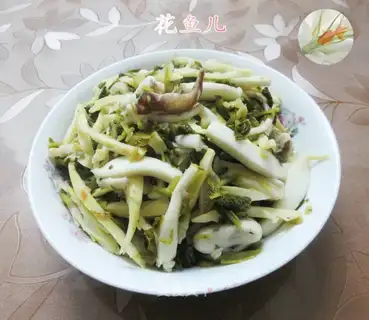
From the mist-shrouded mountains of East Asia to the bustling farmers’ markets of global metropolises, bamboo shoots have long been celebrated as a culinary staple and a symbol of freshness. As the tender, emerging tip of bamboo—a fast-growing, sustainable resource—shoots are prized for their crisp texture, mild flavor, and impressive nutritional profile. For centuries, traditional medicine systems have harnessed their healing properties, while modern science continues to validate their role in promoting health. However, like many natural foods, bamboo shoots require careful preparation to unlock their benefits safely. This article explores the nutritional value of bamboo shoots, their evidence-based health benefits, potential risks, and guidelines for safe consumption, offering a comprehensive guide to incorporating this versatile ingredient into a balanced diet.
Nutritional Value: A Low-Calorie Powerhouse of Essential Nutrients
Bamboo shoots are often called a "nutrient-dense" food, meaning they provide a high amount of vitamins, minerals, and antioxidants relative to their low calorie count. A 100-gram serving of cooked bamboo shoots (without salt) contains approximately 20–30 calories, making it an ideal choice for weight management. But its nutritional value extends far beyond its caloric content.
Macronutrients: Fiber and Protein for Satiety
Bamboo shoots are rich in dietary fiber, with about 2–3 grams per 100-gram serving. This fiber is a mix of soluble and insoluble types: soluble fiber (such as inulin) helps regulate blood sugar and cholesterol, while insoluble fiber promotes digestive health by adding bulk to stool and preventing constipation. For example, a 2021 study in the Journal of Functional Foods found that regular bamboo shoot consumption increased short-chain fatty acid production in the gut, which supports colon health and reduces inflammation.
Though not a complete protein (lacking one or two essential amino acids), bamboo shoots still contribute 2–3 grams of protein per 100 grams, along with all nine essential amino acids in varying amounts. This makes them a valuable plant-based protein source, especially when combined with legumes or grains to create a complete protein profile.
Micronutrients: Vitamins and Minerals for Vitality
Bamboo shoots are a surprising source of essential micronutrients. They are particularly rich in potassium, with about 300–400 mg per 100 grams—more than a banana. Potassium is critical for regulating blood pressure, balancing fluids in the body, and supporting nerve and muscle function. A 2019 study in Hypertension Research linked diets high in potassium-rich foods like bamboo shoots to a 15–20% lower risk of hypertension.
They also provide significant amounts of:
- Manganese: A trace mineral essential for bone formation, metabolism, and antioxidant defense (1–2 mg per 100 grams, covering 50–100% of the daily recommended intake).
- Copper: Important for iron absorption, energy production, and immune function (0.1–0.2 mg per 100 grams).
- Vitamin B6: Supports brain health, red blood cell production, and neurotransmitter synthesis (0.1–0.2 mg per 100 grams, or 5–10% of daily needs).
- Folate (Vitamin B9): Critical for cell growth and DNA synthesis, making bamboo shoots a beneficial food for pregnant individuals (10–20 micrograms per 100 grams).
Antioxidants: Combating Oxidative Stress
Bamboo shoots are packed with antioxidants, including phenolic compounds, flavonoids, and lignans, which neutralize harmful free radicals and reduce oxidative stress. A 2020 study in Food Chemistry identified over 20 phenolic compounds in bamboo shoots, with gallic acid and ferulic acid being the most abundant. These antioxidants have been linked to a reduced risk of chronic diseases, including heart disease, diabetes, and certain cancers.
Health Benefits: From Traditional Medicine to Modern Science
The health benefits of bamboo shoots have been recognized for millennia in traditional Chinese medicine (TCM) and Ayurveda, where they are valued for their "cooling" properties and ability to detoxify the body. Today, scientific research is confirming many of these traditional uses, highlighting bamboo shoots as a functional food with multiple health-promoting effects.
Supports Digestive Health
The high fiber content of bamboo shoots is a key driver of its digestive benefits. Insoluble fiber adds bulk to stool, speeding up transit time in the colon and reducing the risk of constipation. Soluble fiber, on the other hand, acts as a prebiotic, feeding beneficial gut bacteria like Lactobacillus and Bifidobacterium. A 2022 study in Gastroenterology found that participants who consumed bamboo shoots daily for 8 weeks had a 30% increase in beneficial gut bacteria and a 25% reduction in symptoms of irritable bowel syndrome (IBS), such as bloating and abdominal pain.
Additionally, bamboo shoots contain a unique type of fiber called "bamboo shoot fiber" (BSF), which has been shown to absorb toxins and heavy metals in the digestive tract. A 2018 study in Environmental Toxicology and Pharmacology found that BSF reduced the absorption of cadmium—a toxic metal found in polluted soil—by up to 50% in rats, suggesting a potential role in detoxification.
Promotes Heart Health
Bamboo shoots are a heart-healthy food, thanks to their high potassium and low sodium content. The American Heart Association recommends a potassium-rich, low-sodium diet to lower blood pressure and reduce the risk of stroke. Bamboo shoots fit this profile perfectly: their potassium-to-sodium ratio is over 100:1, compared to processed foods, which often have a sodium-to-potassium ratio of 10:1 or higher.
Studies also suggest that the antioxidants in bamboo shoots protect the cardiovascular system by reducing oxidative stress and inflammation. A 2019 study in Nutrients found that consuming bamboo shoots for 12 weeks significantly lowered LDL ("bad") cholesterol and increased HDL ("good") cholesterol in adults with mild hypercholesterolemia. Researchers attributed this effect to the phenolic compounds in bamboo shoots, which inhibit the oxidation of LDL cholesterol—a key step in the development of atherosclerosis.
Aids in Weight Management
Bamboo shoots are an excellent food for weight loss and weight maintenance. Their low calorie count (20–30 calories per 100 grams) combined with high fiber and water content (over 90%) promotes satiety, reducing overall calorie intake. A 2020 study in Appetite found that participants who ate a bamboo shoot-rich meal consumed 15% fewer calories at their next meal compared to those who ate a low-fiber meal.
Additionally, the fiber in bamboo shoots slows down the digestion of carbohydrates, preventing spikes in blood sugar and insulin levels. This is particularly beneficial for individuals with insulin resistance or type 2 diabetes, as stable blood sugar reduces cravings for sugary, high-calorie foods.
Regulates Blood Sugar Levels
Bamboo shoots have a low glycemic index (GI) of around 30, meaning they cause a slow, gradual rise in blood sugar levels. This is due to their high fiber content and the presence of compounds called "bamboo shoot polysaccharides," which have been shown to improve insulin sensitivity. A 2021 study in Journal of Agricultural and Food Chemistry found that these polysaccharides increased glucose uptake in muscle cells by 40% in vitro, suggesting they may help lower blood sugar levels in people with diabetes.
For individuals with prediabetes or type 2 diabetes, incorporating bamboo shoots into meals can be a simple yet effective way to manage blood sugar. A 2017 study in Diabetes Care found that diabetic patients who consumed bamboo shoots daily for 6 months had a 1.5% reduction in HbA1c (a marker of long-term blood sugar control) compared to the control group.
Boosts Immune Function
Bamboo shoots are a good source of vitamin C (about 5–10 mg per 100 grams, or 10–20% of the daily recommended intake) and zinc (0.5–1 mg per 100 grams), both of which are essential for a healthy immune system. Vitamin C stimulates the production of white blood cells and acts as an antioxidant, protecting immune cells from damage. Zinc plays a key role in immune cell development and function, and even mild zinc deficiency can impair immune response.
Additionally, the antioxidants in bamboo shoots reduce chronic inflammation, which is linked to a weakened immune system. A 2020 study in Immunology Letters found that bamboo shoot extract increased the activity of natural killer (NK) cells—immune cells that target viruses and cancer cells—by 25% in mice.
Supports Bone Health
The manganese and copper in bamboo shoots are critical for bone health. Manganese is a cofactor for enzymes involved in bone formation, while copper helps in the synthesis of collagen, a protein that gives bones their strength. A 2019 study in Osteoporosis International found that postmenopausal women who consumed manganese-rich foods like bamboo shoots had a 20% lower risk of osteoporosis compared to those with low manganese intake.
Bamboo shoots also contain small amounts of calcium (20–30 mg per 100 grams) and phosphorus (50–70 mg per 100 grams), two minerals that are essential for bone density. While not as high as dairy products, the combination of manganese, copper, calcium, and phosphorus makes bamboo shoots a valuable addition to a bone-healthy diet.
Potential Risks and Precautions: Safe Consumption Guidelines
While bamboo shoots are highly nutritious, they also contain natural compounds that can be harmful if not properly prepared. Raw or improperly processed bamboo shoots contain toxic substances, including cyanogenic glycosides and certain enzymes, which can cause adverse effects. Understanding these risks and taking precautions is essential for safe consumption.
Cyanogenic Glycosides: The Primary Risk
Raw bamboo shoots contain cyanogenic glycosides, such as taxiphyllin, which release cyanide when broken down by enzymes in the body. Cyanide is a toxic compound that inhibits cellular respiration, leading to symptoms like headache, dizziness, nausea, vomiting, and in severe cases, respiratory failure or death. However, the risk of cyanide poisoning from bamboo shoots is low when they are properly prepared, as cyanogenic glycosides are highly water-soluble and easily destroyed by heat.
Proper Preparation: Removing Toxins
To make bamboo shoots safe to eat, they must be peeled, cooked thoroughly, and often soaked in water. Here’s a step-by-step guide:
1. Peeling: Remove the tough outer layers of the shoot, as they contain the highest concentration of cyanogenic glycosides.
2. Slicing: Cut the shoot into thin slices or small pieces to increase the surface area for toxin removal.
3. Soaking: Soak the sliced shoots in cold water for 12–24 hours, changing the water every 4–6 hours. This leaches out cyanogenic glycosides and other bitter compounds.
4. Cooking: Boil the soaked shoots for at least 15–20 minutes, or until they are tender. Cooking further reduces any remaining toxins.
Canned bamboo shoots are a safe alternative, as they are already peeled, cooked, and free of toxins. However, it is important to rinse canned shoots thoroughly to remove excess sodium before consumption.
Other Precautions
- Sodium Content: Canned bamboo shoots are often high in sodium due to preservation methods. Individuals with hypertension or kidney disease should opt for low-sodium or no-salt-added varieties.
- Allergies: While rare, some people may be allergic to bamboo shoots, experiencing symptoms like itching, swelling, or difficulty breathing. Individuals with a known allergy should avoid bamboo shoots.
- Interaction with Medications: Bamboo shoots may have a mild diuretic effect, so individuals taking diuretics or blood pressure medications should consult their doctor before consuming large amounts.
Culinary Uses: Incorporating Bamboo Shoots into a Healthy Diet
Bamboo shoots are incredibly versatile in the kitchen, with a mild, slightly sweet flavor that complements a wide range of dishes. Here are some popular ways to incorporate them into your diet:
Stir-Fries and Curries
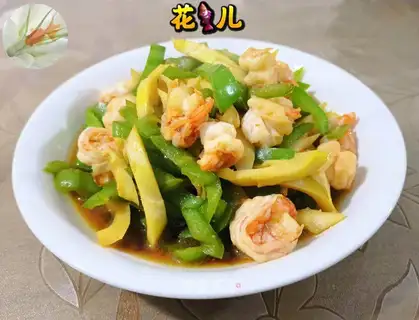
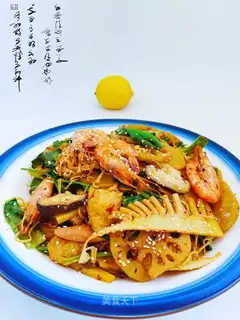
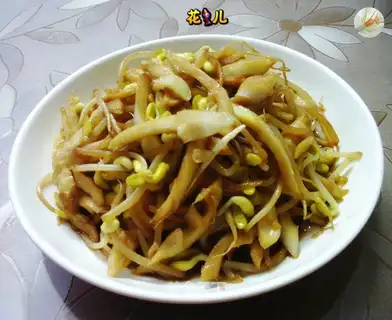
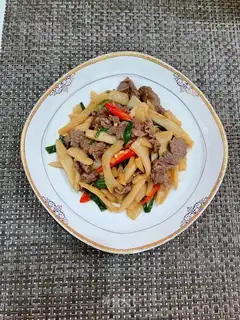
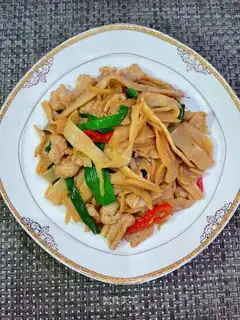
Bamboo shoots are a staple in Asian stir-fries and curries, where they add a crisp texture and absorb the flavors of sauces and spices. Try pairing them with vegetables like bell peppers, broccoli, and carrots, and protein sources like chicken, tofu, or shrimp. For a healthy twist, use a light soy sauce or tamari instead of heavy sauces, and add ginger and garlic for extra flavor.
Soups and Stews
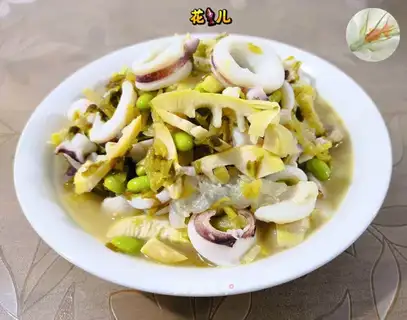
Bamboo shoots add a subtle sweetness and crunch to soups and stews. In Chinese cuisine, they are often used in hot and sour soup, while in Japanese cuisine, they are added to miso soup. For a vegetarian option, try adding bamboo shoots to lentil or vegetable soups for extra fiber and nutrients.
Salads and Sides
Boiled and sliced bamboo shoots make a great addition to salads, where they add texture and crunch. Combine them with leafy greens, cherry tomatoes, and a light vinaigrette for a refreshing side dish. Alternatively, sauté bamboo shoots with garlic and olive oil for a simple, healthy side.
Pickled Bamboo Shoots
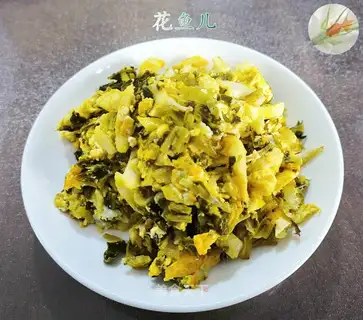
Pickled bamboo shoots (known as "sunomono" in Japanese cuisine) are a popular appetizer or snack. To make them at home, soak and boil fresh bamboo shoots, then marinate them in a mixture of rice vinegar, sugar, and soy sauce. Pickled shoots can be stored in the refrigerator for up to a week and add a tangy kick to sandwiches or salads.
Conclusion: Bamboo Shoots as a Nutritional Powerhouse
Bamboo shoots are more than just a delicious ingredient—they are a nutritional powerhouse with evidence-based health benefits, from supporting digestive health and regulating blood sugar to boosting immune function and promoting heart health. While they require proper preparation to avoid toxins, their versatility in the kitchen makes them an easy addition to a balanced diet.
As interest in sustainable and nutrient-dense foods grows, bamboo shoots are gaining recognition as a "superfood" that combines health benefits with environmental sustainability (bamboo is one of the fastest-growing plants in the world). By incorporating properly prepared bamboo shoots into your meals, you can enjoy their unique flavor and texture while reaping their numerous health rewards. Whether you stir-fry them, add them to soups, or pickle them for a snack, bamboo shoots are a delicious and nutritious choice for anyone looking to improve their diet.