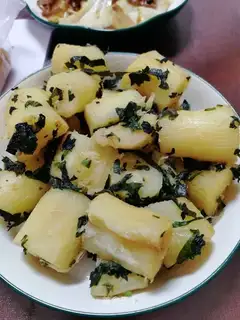
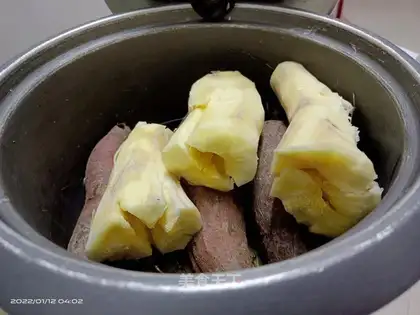
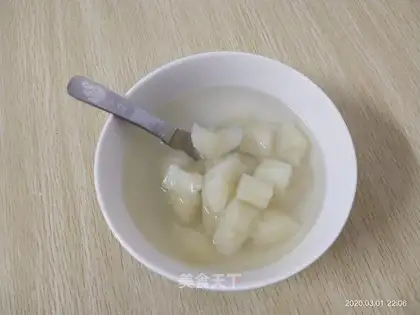
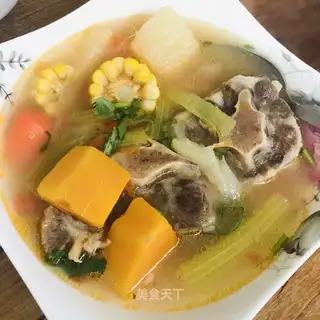
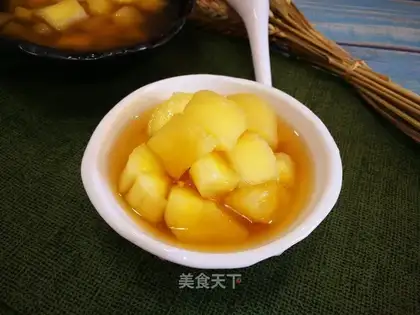
Cassava, scientifically known as Manihot esculenta, is a starchy tuberous root that has sustained civilizations for centuries. Native to South America, this hardy crop now thrives in tropical and subtropical regions worldwide, serving as a primary food source for over 500 million people. Often called "manioc" or "yuca," cassava is renowned for its adaptability to poor soils and drought conditions, making it a lifeline for smallholder farmers. Beyond its role as a subsistence crop, cassava offers a unique nutritional profile, diverse culinary applications, and significant health benefits—though it also requires careful preparation to avoid potential risks. This article explores the nutritional value, health benefits, and precautions associated with cassava, shedding light on why this humble tuber remains a cornerstone of global food security.
Nutritional Profile of Cassava
Cassava’s nutritional composition is a blend of carbohydrates, fiber, vitamins, and minerals, though its exact value varies based on preparation and variety (bitter vs. sweet). A 100-gram serving of boiled cassava (without skin) provides approximately:
- Calories: 112 kcal, making it a moderate-energy food suitable for active individuals.
- Carbohydrates: 27 grams, mostly complex starches that digest slowly, ensuring sustained energy release.
- Dietary Fiber: 1.8 grams, including resistant starch, which acts as a prebiotic to nourish gut bacteria.
- Protein: 1.1 grams—lower than cereals but comparable to other root crops like potatoes.
- Fats: 0.3 grams, primarily heart-healthy unsaturated fats.
Cassava also contains essential micronutrients:
- Vitamin C: 20.6 mg (34% of the Daily Value, DV), a potent antioxidant that supports immune function and collagen synthesis.
- Folate (Vitamin B9): 7 mcg (17% DV), critical for DNA synthesis and cell division, especially during pregnancy.
- Potassium: 271 mg (8% DV), which regulates blood pressure and fluid balance.
- Magnesium: 21 mg (5% DV), important for muscle and nerve function.
- Copper and Manganese: Trace minerals involved in antioxidant defense and bone health.
Notably, cassava is gluten-free, making it a valuable alternative for people with celiac disease or gluten sensitivity. Its neutral flavor and starchy texture also make it versatile in both sweet and savory dishes, from flours and breads to fries and stews.
Health Benefits of Cassava
Cassava’s nutritional composition translates into several evidence-based health benefits, spanning digestive, metabolic, and immune support.
1. Sustained Energy and Blood Sugar Regulation
As a rich source of complex carbohydrates, cassava provides slow-releasing energy, preventing the blood sugar spikes associated with refined grains. The resistant starch in cassava, particularly when cooked and cooled, acts like fiber: it resists digestion in the small intestine and ferments in the colon, producing short-chain fatty acids (SCFAs) that improve insulin sensitivity. Studies suggest that resistant starch may reduce the risk of type 2 diabetes by enhancing post-meal blood sugar control.
2. Gut Health and Digestive Support
The fiber and resistant starch in cassava promote a healthy gut microbiome. SCFAs produced by gut bacteria fermentation lower intestinal pH, inhibiting the growth of harmful pathogens while nourishing beneficial strains like Bifidobacteria. This can alleviate constipation, reduce inflammation, and even lower the risk of colorectal cancer. Additionally, cassava’s mild diuretic properties may support kidney function by flushing excess toxins.
3. Immune Boost and Collagen Production
Cassava is an excellent source of vitamin C, a nutrient crucial for immune cell function and antibody production. Vitamin C also aids in collagen synthesis, which maintains skin elasticity, wound healing, and joint health. In regions where fresh fruits are scarce, cassava can help prevent vitamin C deficiency, a condition historically linked to scurvy in communities reliant on staple crops.
4. Antioxidant and Anti-Inflammatory Properties
Cassava contains bioactive compounds like flavonoids, saponins, and phenolic acids, which combat oxidative stress—a key driver of chronic diseases such as heart disease, cancer, and neurodegeneration. For example, saponins in cassava have been shown to lower LDL ("bad") cholesterol and reduce arterial plaque formation, potentially improving cardiovascular health.
5. Gluten-Free Alternative for Celiac Disease
For individuals with celiac disease or non-celiac gluten sensitivity, cassava flour is a safe and nutritious substitute for wheat. Unlike some gluten-free flours (e.g., rice or corn), cassava flour is high in fiber and has a neutral taste, making it ideal for baking bread, pasta, and pastries without compromising texture or flavor.
Culinary Versatility: From Traditional Staples to Modern Superfoods
Cassava’s culinary uses are as diverse as its benefits. In tropical regions, it is processed into:
- Fufu: A soft, dough-like staple in West and Central Africa, served with soups and stews.
- Cassava Bread: A traditional flatbread in the Caribbean, often made from grated and fermented cassava.
- Tapioca: Starch extracted from cassava, used in puddings, bubble tea, and as a thickener.
- Chips and Fries: Thinly sliced cassava fried or baked as a healthier alternative to potato chips.
- Garri: A fermented, granulated cassava product popular in Nigeria, eaten with milk, sugar, or soups.
In recent years, cassava has gained popularity in Western markets as a "superfood" ingredient. Cassava flour, protein powder, and even cassava-based "meat" alternatives are now available, catering to health-conscious consumers and plant-based diets.
Precautions and Potential Risks
While cassava is nutritious, improper preparation can pose serious health risks. The tuber contains natural cyanogenic glycosides—primarily linamarin and lotaustrin—which release toxic hydrogen cyanide when the plant is damaged or improperly processed.
1. Cyanide Toxicity: The Bitter vs. Sweet Divide
Cassava is categorized into two main varieties:
- Bitter Cassava: Contains high levels of cyanogens (up to 1,000 mg/kg) and requires extensive processing to remove toxins. It is typically grown for industrial use (e.g., starch production) or in regions where sweet cassava is unavailable.
- Sweet Cassava: Lower in cyanogens (≤50 mg/kg) and often consumed after minimal processing, such as boiling or peeling.
Even sweet cassava must be prepared correctly: Peeling, soaking, fermenting, or boiling reduces cyanide levels by up to 90%. For example, traditional methods like grating cassava and fermenting it for 2–3 days (used to make fufu or garri) effectively break down toxins. Consuming raw or underprocessed cassava can cause acute cyanide poisoning, symptoms of which include nausea, dizziness, and in severe cases, organ failure or death. Chronic low-level exposure has been linked to tropical ataxic neuropathy (TAN) and konzo, a irreversible paralysis affecting children and pregnant women in cassava-dependent regions.
2. Antinutrients and Mineral Absorption
Cassava contains small amounts of antinutrients like tannins and phytic acid, which can inhibit the absorption of iron, zinc, and calcium. Soaking and cooking reduce these compounds, but individuals relying heavily on cassava as a primary calorie source should pair it with vitamin C-rich foods (e.g., leafy greens) to enhance mineral absorption.
3. Caloric Density and Weight Management
While cassava’s complex carbs are beneficial for energy, its moderate calorie content means portions should be balanced, especially for sedentary individuals. Overconsumption may contribute to weight gain if not paired with physical activity.
Conclusion: Cassava as a Double-Edged Sword
Cassava is a remarkable crop that exemplifies the intersection of nutrition, culture, and sustainability. Its resilience in marginal lands makes it a critical tool in combating food insecurity, while its fiber, vitamin C, and resistant starch offer tangible health benefits—from improved gut health to better blood sugar control. However, its cyanide content demands respect: traditional processing methods are not just culinary traditions but life-saving practices that have been refined over generations.
For modern consumers, cassava can be a valuable addition to a balanced diet—provided it is sourced from reputable suppliers and prepared safely. By blending traditional knowledge with contemporary food science, we can harness cassava’s potential as a nutrient-dense, gluten-free staple while mitigating its risks. As climate change threatens crop diversity, cassava’s adaptability may make it even more vital, ensuring that this humble tuber continues to nourish communities for centuries to come.