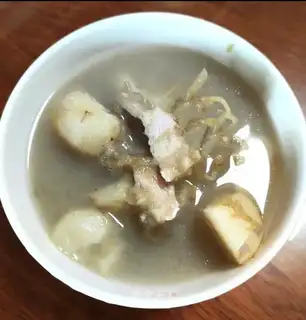
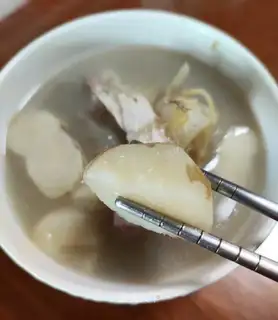
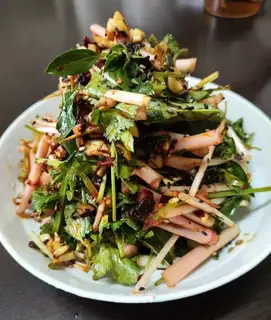
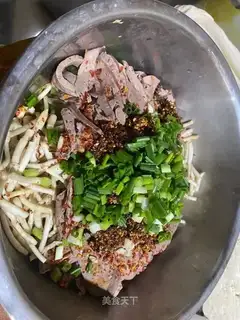
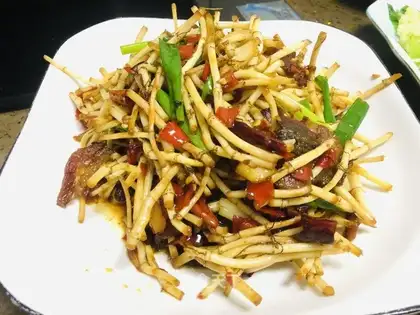
Houttuynia cordata, commonly known as fish mint, heartleaf, or in Chinese, yuxingcao (鱼腥草), is a versatile herb with a rich history in traditional medicine and culinary practices. Recognizable by its distinctive heart-shaped leaves and pungent aroma—often described as a mix of fish, mint, and citrus—this plant has transcended its regional roots to gain global attention as a functional food. While its flavor may be polarizing, Houttuynia cordata’s nutritional profile, therapeutic properties, and cultural significance make it a subject of growing scientific interest. This article explores its nutritional value, health benefits, and important precautions to consider when incorporating it into one’s diet.
Nutritional Value of Houttuynia cordata
Houttuynia cordata is a nutrient-dense plant, offering a unique combination of vitamins, minerals, bioactive compounds, and antioxidants that contribute to its health-promoting properties.
1. Vitamins and Minerals
The plant is a good source of essential vitamins, particularly vitamin C, vitamin A, and B vitamins. Vitamin C, a potent antioxidant, supports immune function, collagen synthesis, and skin health. Vitamin A, in the form of beta-carotene, is vital for vision, cell growth, and immune regulation. B vitamins, such as niacin (B3) and riboflavin (B2), play key roles in energy metabolism and nervous system health.
In terms of minerals, Houttuynia cordata contains potassium, calcium, iron, and manganese. Potassium helps regulate blood pressure and fluid balance, calcium supports bone health, iron is essential for oxygen transport, and manganese acts as a cofactor for antioxidant enzymes.
2. Bioactive Compounds
The herb’s most notable constituents are its polyphenolic compounds, including flavonoids (such as quercetin and rutin) and phenolic acids (like chlorogenic acid). These compounds are responsible for its antioxidant, anti-inflammatory, and antimicrobial effects. Additionally, Houttuynia cordata contains volatile oils, including decanoyl acetaldehyde (known as “fishy aldehyde”), which gives the plant its characteristic scent and contributes to its biological activity.
Alkaloids, such as houttuynine, are also present and have been studied for their potential neuroprotective and anticancer properties. The plant’s high content of polysaccharides further enhances its immune-boosting capabilities by modulating macrophage and lymphocyte activity.
3. Antioxidant and Anti-inflammatory Components
Oxidative stress, caused by an imbalance between free radicals and antioxidants, is linked to chronic diseases like cancer, diabetes, and cardiovascular disease. Houttuynia cordata’s rich antioxidant profile—including flavonoids, vitamin C, and polysaccharides—helps neutralize free radicals and reduce oxidative damage. Its anti-inflammatory compounds, such as quercetin and chlorogenic acid, inhibit pro-inflammatory enzymes (like COX-2) and cytokines (such as TNF-α and IL-6), making it valuable for managing inflammatory conditions.
Health Benefits of Houttuynia cordata
The combination of nutrients and bioactive compounds in Houttuynia cordata underpins a wide range of health benefits, supported by both traditional use and modern research.
1. Immune System Support
Traditional Chinese Medicine (TCM) has long used Houttuynia cordata to treat infections and boost immunity. Modern studies confirm its immunomodulatory effects: polysaccharides stimulate the activity of natural killer (NK) cells and T-lymphocytes, enhancing the body’s defense against pathogens. Research published in the Journal of Ethnopharmacology found that extracts of H. cordata increased antibody production and macrophage phagocytosis, reducing the severity of respiratory infections like influenza. Its antiviral properties also extend to enveloped viruses, such as herpes simplex virus (HSV) and human coronavirus, by inhibiting viral entry and replication.
2. Anti-inflammatory and Antimicrobial Properties
Chronic inflammation is a driver of many diseases, from arthritis to heart disease. Houttuynia cordata’s ability to suppress inflammatory pathways makes it a potential therapeutic agent for conditions like rheumatoid arthritis and inflammatory bowel disease (IBD). A 2020 study in Phytotherapy Research demonstrated that its extract reduced colonic inflammation in mice with IBD by downregulating NF-κB, a key regulator of inflammation.
The plant also exhibits broad-spectrum antimicrobial activity against bacteria (e.g., Staphylococcus aureus, Escherichia coli) and fungi (e.g., Candida albicans). This is attributed to its volatile oils and alkaloids, which disrupt microbial cell membranes and inhibit enzyme activity. In Southeast Asia, fresh H. cordata leaves are often chewed to treat oral infections, such as thrush or gingivitis.
3. Respiratory Health
Houttuynia cordata is renowned for its benefits to respiratory health. In TCM, it is used to clear “heat” and “toxins” from the lungs, making it a remedy for coughs, bronchitis, and sinusitis. Its expectorant properties help loosen mucus, while its anti-inflammatory effects reduce airway inflammation. A clinical trial in China found that patients with acute bronchitis who received H. cordata extract experienced faster symptom relief compared to those taking a placebo. Additionally, its antiviral effects may help mitigate symptoms of viral respiratory infections, including COVID-19, though more research is needed in this area.
4. Anticancer Potential
Preliminary studies suggest that Houttuynia cordata may inhibit the growth of cancer cells. Flavonoids like quercetin and rutin induce apoptosis (programmed cell death) in cancer cells and prevent angiogenesis (the formation of new blood vessels that tumors need to grow). Research on lung, liver, and breast cancer cells has shown that H. cordata extract suppresses tumor proliferation by modulating signaling pathways such as PI3K/Akt and MAPK. While these findings are promising, clinical trials in humans are limited, and further research is required to establish its efficacy and safety as an adjunct cancer therapy.
5. Detoxification and Liver Protection
The liver is the body’s primary detoxification organ, and Houttuynia cordata appears to support its function. Studies in animal models indicate that its antioxidant compounds protect liver cells from damage caused by toxins like alcohol and carbon tetrachloride. It also enhances the activity of detoxification enzymes, such as glutathione S-transferase, which helps eliminate harmful substances. A 2019 study in Hepatology Reports found that H. cordata extract reduced liver inflammation and fibrosis in mice with non-alcoholic fatty liver disease (NAFLD), suggesting potential benefits for metabolic liver disorders.
6. Skin Health
Thanks to its anti-inflammatory and antioxidant properties, Houttuynia cordata is used in skincare products to treat acne, eczema, and wound healing. Its ability to inhibit bacterial growth (e.g., Propionibacterium acnes, a key contributor to acne) and reduce sebum production makes it a natural alternative to synthetic acne treatments. Additionally, its vitamin C content promotes collagen synthesis, improving skin elasticity and reducing signs of aging. Topical applications of H. cordata extract have been shown to accelerate wound healing by increasing fibroblast proliferation and collagen deposition.
Precautions and Potential Side Effects
While Houttuynia cordata offers numerous health benefits, it is not without risks. Certain precautions must be taken to ensure safe consumption, particularly for individuals with specific health conditions or sensitivities.
1. Allergic Reactions
Some people may be allergic to Houttuynia cordata, especially those with allergies to plants in the Saururaceae family (to which it belongs). Symptoms can range from mild (skin rash, itching, hives) to severe (anaphylaxis, difficulty breathing). Individuals trying the plant for the first time should start with a small amount and monitor for adverse reactions.
2. Gastrointestinal Distress
The herb’s pungent compounds may cause digestive issues in sensitive individuals, including nausea, vomiting, diarrhea, or stomach cramps. Cooking Houttuynia cordata (e.g., stir-frying or boiling) can reduce its irritant effects and make it easier to tolerate.
3. Drug Interactions
Houttuynia cordata may interact with certain medications. Due to its diuretic properties, it could enhance the effects of blood pressure medications or diuretics, leading to electrolyte imbalances. It may also interact with anticoagulants (e.g., warfarin) by inhibiting platelet aggregation, increasing the risk of bleeding. Individuals taking prescription medications should consult a healthcare provider before consuming H. cordata regularly.
4. Pregnancy and Lactation
Pregnant and breastfeeding women should avoid Houttuynia cordata, as there is insufficient research on its safety in these populations. Traditional medicine warns against its use during pregnancy due to its potential uterine-stimulating effects, which could increase the risk of miscarriage.
5. Dosage and Consumption Guidelines
Moderation is key when consuming Houttuynia cordata. In culinary contexts, it is typically used in small amounts as a garnish or in salads, soups, and stir-fries. For therapeutic purposes, standardized extracts or teas are recommended, but excessive intake (e.g., large quantities of raw leaves) may lead to toxicity. The World Health Organization (WHO) has not established a tolerable daily intake, but traditional practices suggest limiting consumption to a few grams per day.
Conclusion
Houttuynia cordata is a remarkable herb that bridges the gap between food and medicine. Its impressive nutritional profile—rich in vitamins, minerals, and bioactive compounds—coupled with its immune-boosting, anti-inflammatory, and antimicrobial properties, makes it a valuable addition to a healthy diet. From supporting respiratory health to protecting the liver and skin, its benefits are backed by both traditional wisdom and emerging science. However, like all natural remedies, it must be used with caution. Allergic reactions, drug interactions, and contraindications during pregnancy highlight the importance of moderation and professional guidance, especially for individuals with underlying health conditions.
As global interest in functional foods grows, Houttuynia cordata is likely to gain further recognition for its therapeutic potential. By understanding its benefits and risks, consumers can harness its power safely, appreciating not only its health-promoting qualities but also its cultural significance as a “super herb” with a storied past and a promising future.