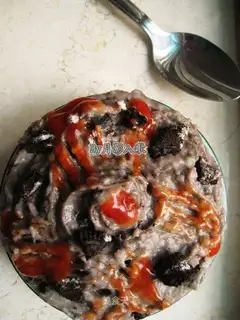
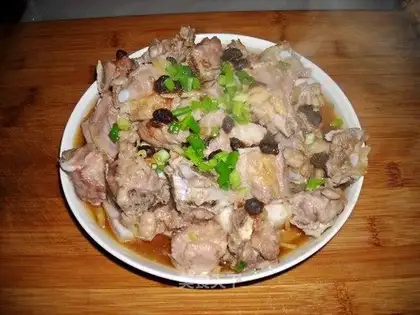
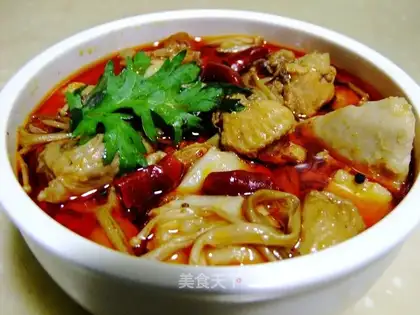
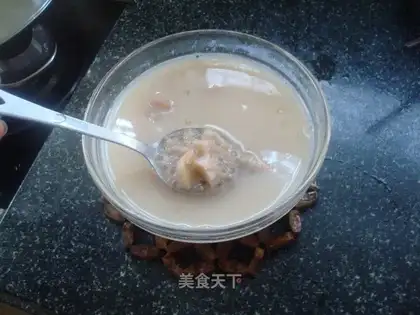
Ingredients: soy sauce,salt,Taro,Flammulina velutipes,MSG,cooking wine,onion,Jiang,garlic,vinegar,octagonal,sugar,pepper,dried chili,lard,geranyl,chicken,hot pot base
Fragrant taro has the effects of dispelling accumulation and regulating qi, detoxifying and nourishing the spleen, clearing heat and relieving cough. Taro contains more crude protein, starch, glycans (mucus), crude fiber and sugar, and the protein content is higher than that of other high-protein plants such as soybeans. The glycans in taro can enhance the body's immune mechanism and increase resistance to diseases. Long-term consumption can detoxify and nourish the body. <br />Can be eaten by the general population. It is especially suitable for people with weak bodies; for people with phlegm, allergic constitutions (urticaria, eczema, asthma, allergic rhinitis), children with stagnant food, poor stomach intake, and diabetic patients, they should eat less; at the same time, people with stagnant food, stomach pain, and damp heat in the stomach should not eat.
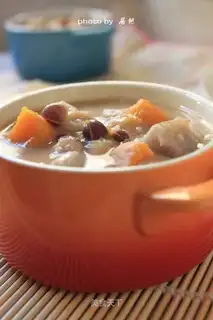
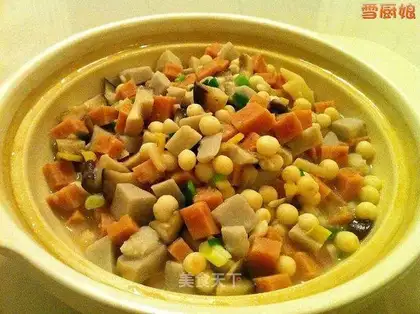
Gorgon euryale and taro soup<br /><br /> The aroma of cream and the glutinous taro powder<br /><br /> Gorgon fruit has chewy teeth! <br /><br />Add it to the pumpkin that melts in your mouth<br /><br /> Delicious! <br /><br /><br /><br />Some delicacies will be unforgettable after the first try! <br /><br />This can be said to be an after-dinner dessert or even be used as a moisturizing sugar water for the afternoon alone. I accidentally ate it when I was in college! <br /><br />Unexpectedly, she was so confused that she spent her time in college that she allocated her time to the stadium every day, work-study program in the library, and the inappropriate so-called love affair...<br /><br /> In the arena, I played ball all day long, my skills were poor, and the teachers couldn't do anything to me. The understanding of the training team was really poor! Because I am the only left-handed person in the same batch, and it is difficult to practice ball, I didn't hold out too much hope and didn't want to leave! Occasionally, Brother Shaowen would give him good guidance when he came. Otherwise, his hands would grow grass. At that time, people would often come to play ball outside the school. Occasionally, everyone would "learn" and have fun, or invite us to participate in some bean-sized competitions outside. Then those rich people would invite us to dinner. This dessert was accidentally tasted by classmates under such circumstances! From then on, I fell in love with this dessert uncontrollably!
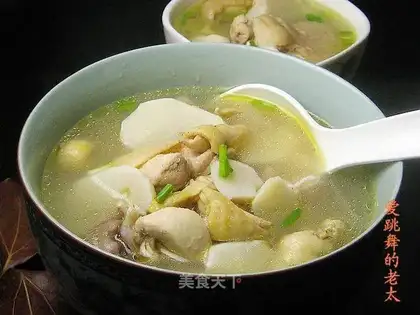
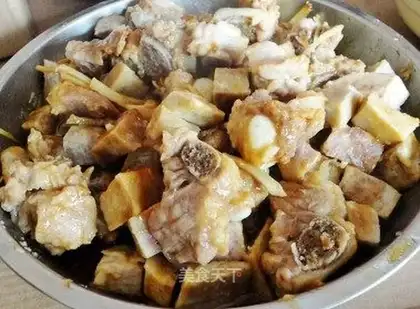
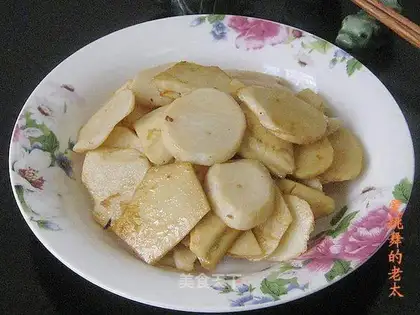
Taro-the specialty of Qidong<br /><br /> It is said that taro was introduced to our country from America for cultivation in the Qing Dynasty. The climate and soil in Haimen and Qidong are the most suitable for the reproduction and growth of taro, making it a famous local dish. <br />There are delicious dishes such as roasted bamboo chicken with taro, dried tea with taro, and cooked taro with cold. <br /><br />During the Ming and Qing Dynasties, fragrant taro was regarded as a treasure in Shanghai and Jiangsu. In 1504, an old book from the Ming Dynasty in Shanghai County said that taro looks like a potato and has a strong fruit. Because the potato is called a foreign sweet potato or potato in Shanghai, it gets its name<br /><br /> Taro is rich in nutrients, excellent in color, aroma and taste, and was once regarded as the king of vegetables. According to measurements, every 100 grams of fresh taro contains 5.15 grams of protein, 0.28 grams of fat, 12.71 grams of carbohydrates, 170 mg of calcium, and 80 mg of phosphorus. Its protein content is 2.1 times that of yam. Eating it has the effects of dispelling accumulation and regulating qi, detoxifying and nourishing the spleen, clearing heat and relieving cough. There are various cooking methods for taro, such as roasting, frying, or stewing. Use it to stew and roast it with chicken and pork. It tastes fragrant but not greasy, and crispy but not rotten. It has always been a must-have excellent dish at festivals and festive banquets.