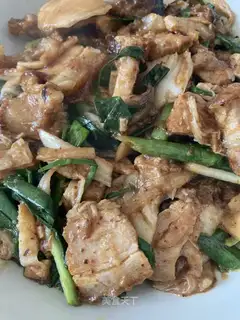
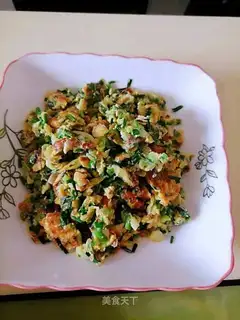
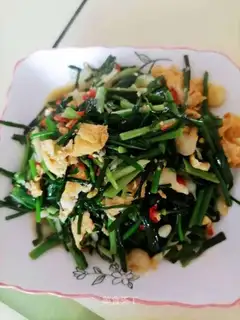
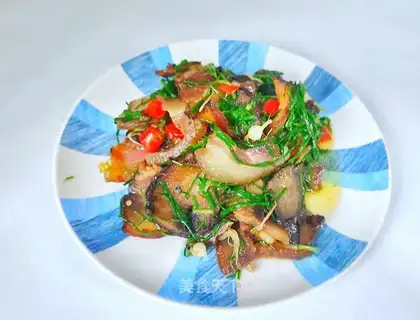
Wild garlic (Allium ursinum), also known as ramsons, bear’s garlic, or wood garlic, is a wild edible plant native to Europe and parts of Asia. Recognizable by its broad, lance-shaped leaves and clusters of star-shaped white flowers, this pungent herb has been a staple in traditional medicine and cuisine for centuries. Often mistaken for toxic plants like lily of the valley, wild garlic is a nutritional and medicinal treasure, offering a host of health benefits when used correctly. This article explores its nutritional profile, health-promoting properties, and important precautions to ensure safe consumption.
I. Nutritional Profile of Wild Garlic
Wild garlic belongs to the Allium family, which includes its cultivated cousin, garlic (Allium sativum). However, it boasts a unique nutritional composition that sets it apart. Its leaves, flowers, and bulbs are all edible, with the leaves being the most commonly used part.
1. Vitamins and Minerals
Wild garlic is a rich source of vitamins and minerals, often surpassing many cultivated vegetables in concentration:
- Vitamin C: A potent antioxidant, wild garlic contains high levels of vitamin C, which supports immune function, collagen synthesis, and skin health. A 100g serving of fresh wild garlic leaves can provide up to 150mg of vitamin C, exceeding the daily recommended intake for adults.
- Vitamin K: Essential for blood clotting and bone metabolism, wild garlic is an excellent source of vitamin K. It also contains smaller amounts of vitamin A (as beta-carotene) and B vitamins, including folate, which plays a critical role in cell division and DNA synthesis.
- Minerals: The plant is packed with essential minerals such as manganese (important for antioxidant defense and metabolism), calcium (for bone health), iron (for oxygen transport), and potassium (for regulating blood pressure).
2. Bioactive Compounds
The true power of wild garlic lies in its bioactive compounds, which contribute to its medicinal properties:
- Allicin: Though more abundant in mature garlic, wild garlic contains allicin and its precursors (alliin and alliinase). When the plant is crushed or chewed, these compounds interact to form allicin, a sulfur-containing compound with potent antimicrobial, anti-inflammatory, and antioxidant effects.
- Flavonoids: Wild garlic is rich in flavonoids, such as quercetin and kaempferol, which combat oxidative stress, reduce inflammation, and support cardiovascular health.
- Organosulfur Compounds: Beyond allicin, wild garlic contains other sulfur compounds like diallyl sulfide and S-allyl cysteine, which have been linked to cholesterol-lowering and anticancer effects.
3. Fiber and Low Calories
Wild garlic is a low-calorie food, with approximately 20-30 calories per 100g, making it an ideal addition to weight management diets. It also provides dietary fiber, which aids digestion, promotes gut health, and helps regulate blood sugar levels.
II. Health Benefits and Medicinal Properties
For centuries, wild garlic has been used in folk medicine to treat various ailments. Modern research has begun to validate many of these traditional uses, highlighting its potential as a therapeutic agent.
1. Cardiovascular Health
One of the most well-documented benefits of wild garlic is its ability to support heart health. The organosulfur compounds in wild garlic help lower LDL (“bad”) cholesterol and triglycerides while increasing HDL (“good”) cholesterol. Additionally, allicin has been shown to reduce blood pressure by inhibiting the angiotensin-converting enzyme (ACE), which constricts blood vessels. Regular consumption may also prevent the formation of arterial plaques, reducing the risk of atherosclerosis and heart disease.
2. Antimicrobial and Antiviral Effects
Wild garlic’s allicin content gives it strong antimicrobial properties, effective against bacteria, fungi, and viruses. Studies suggest it can inhibit the growth of pathogenic strains such as Staphylococcus aureus, Escherichia coli, and Candida albicans. Traditionally, it was used to treat infections, wounds, and respiratory ailments like colds and sinusitis. Its ability to boost the immune system further enhances its role in preventing illness.
3. Anti-Inflammatory and Antioxidant Properties
Chronic inflammation and oxidative stress are underlying factors in many diseases, including cancer, diabetes, and neurodegenerative disorders. Wild garlic’s high flavonoid and allicin content neutralizes free radicals, reducing oxidative damage. It also suppresses pro-inflammatory enzymes like COX-2, making it beneficial for conditions such as arthritis, inflammatory bowel disease (IBD), and asthma.
4. Digestive Health
Wild garlic stimulates the production of digestive enzymes, improving gut motility and reducing bloating. Its prebiotic fibers nourish beneficial gut bacteria, promoting a healthy microbiome. Additionally, its antimicrobial properties help balance gut flora by inhibiting harmful pathogens like Helicobacter pylori, which is linked to ulcers and stomach cancer.
5. Blood Sugar Regulation
Preliminary studies suggest that wild garlic may help manage blood sugar levels by enhancing insulin sensitivity. The organosulfur compounds improve glucose uptake in cells and reduce insulin resistance, making it a potential complementary therapy for individuals with type 2 diabetes. However, more human trials are needed to confirm these effects.
6. Cancer Prevention
While research is ongoing, laboratory studies indicate that wild garlic’s bioactive compounds may inhibit the growth of cancer cells. Allicin, in particular, has been shown to induce apoptosis (programmed cell death) in colon, breast, and liver cancer cells. Its antioxidant properties also protect DNA from damage, reducing the risk of cancer initiation.
III. Culinary Uses and Preparation Tips
Wild garlic’s mild, garlicky flavor with hints of onion and chive makes it a versatile culinary ingredient. Unlike cultivated garlic, its taste is less pungent, making it suitable for raw dishes. Here are popular ways to incorporate it into your diet:
- Raw: Add fresh leaves to salads, pestos, or dips for a burst of flavor and nutrients.
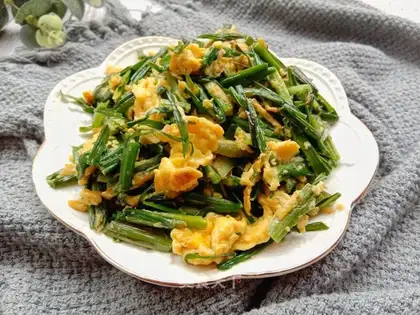
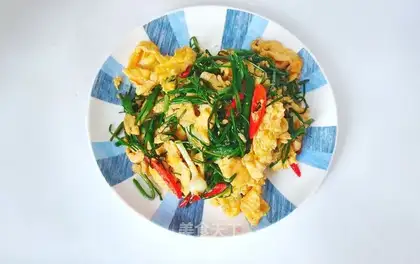
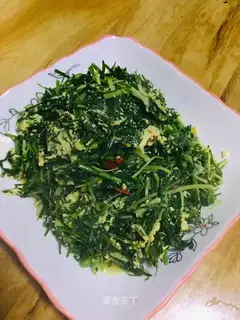
- Cooked: Use leaves in soups, stews, or stir-fries. The flowers can be used as a garnish or infused in oils.
- Infusions: Steep leaves in hot water to make tea, or blend them with oil to create wild garlic oil.
- Preservation: Chop and freeze leaves for later use, or make into pesto and store in the refrigerator.
Note: Cooking reduces the potency of allicin, so for maximum medicinal benefits, consume wild garlic raw or lightly cooked.
IV. Precautions and Contraindications
While wild garlic is generally safe for most people, there are important precautions to consider:
1. Toxic Look-Alikes
The most significant risk associated with wild garlic is misidentification. It is often confused with lily of the valley (Convallaria majalis), which is highly toxic and can cause severe cardiac issues. Key differences to note:
- Leaves: Wild garlic has broad, flat leaves with a distinct garlic smell; lily of the valley has oval, pointed leaves with no odor.
- Flowers: Wild garlic produces star-shaped white flowers in umbrella-like clusters; lily of the valley has bell-shaped, drooping flowers.
- Habitat: Wild garlic grows in moist, wooded areas; lily of the valley prefers shaded, forested ground.
Always forage with an expert or use a reliable field guide to avoid accidental poisoning.
2. Blood-Thinning Effects
Wild garlic contains natural anticoagulants due to its allicin content. Individuals taking blood-thinning medications (e.g., warfarin, aspirin) or those scheduled for surgery should avoid excessive consumption, as it may increase the risk of bleeding.
3. Digestive Discomfort
In sensitive individuals, large amounts of wild garlic may cause digestive upset, including bloating, gas, or diarrhea. Start with small quantities to assess tolerance.
4. Pregnancy and Breastfeeding
While moderate consumption is likely safe, pregnant or breastfeeding women should consult a healthcare provider before using wild garlic medicinally, as its effects on maternal and infant health are not well-studied.
5. Allergic Reactions
Though rare, some people may be allergic to wild garlic or other Allium species. Symptoms include skin rash, itching, or difficulty breathing. Discontinue use and seek medical attention if adverse reactions occur.
V. Sustainable Foraging and Cultivation
As wild garlic gains popularity, sustainable foraging practices are essential to avoid overharvesting. Only pick leaves from abundant patches, leaving at least half the plant to ensure regrowth. Alternatively, grow wild garlic in home gardens; it thrives in moist, shady soil and spreads readily, making it a low-maintenance addition to edible landscapes.
Conclusion
Wild garlic is a nutritional and medicinal powerhouse, offering a unique blend of vitamins, minerals, and bioactive compounds that support cardiovascular health, immune function, and digestion. Its culinary versatility makes it an easy ingredient to incorporate into a healthy diet, but caution must be taken to avoid toxic look-alikes and contraindications. Whether foraged or cultivated, wild garlic is a valuable addition to both the kitchen and natural medicine cabinet, bridging the gap between traditional wisdom and modern science. As research continues to uncover its potential, this humble wild plant may prove to be a key player in promoting holistic health and well-being.