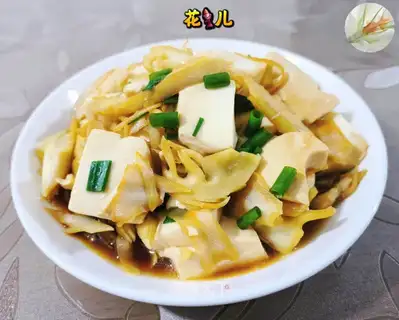
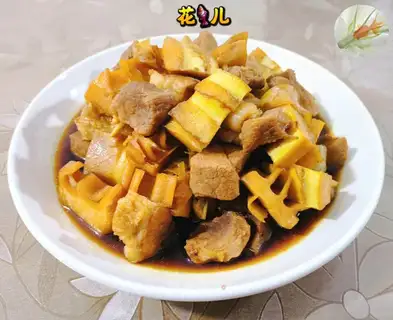
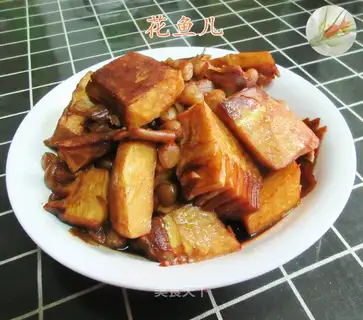
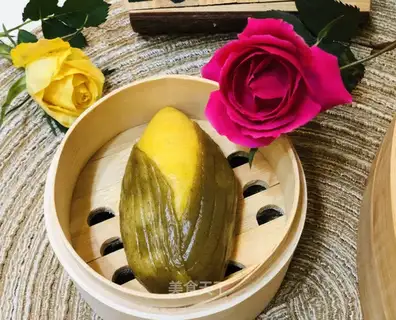
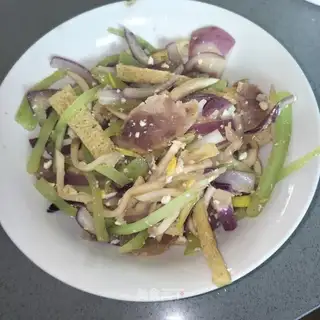
Bamboo shoots, the tender young sprouts of bamboo plants, have been a staple in Asian cuisines for centuries, celebrated for their unique crunch, subtle flavor, and versatility. Beyond their culinary appeal, these humble shoots pack a surprising nutritional punch, offering a range of health benefits while requiring mindful consumption to avoid potential risks. This article explores the nutritional profile, health-promoting properties, and important precautions associated with bamboo shoots, shedding light on why this ancient ingredient remains relevant in modern diets.
I. Nutritional Profile of Bamboo Shoots
Bamboo shoots are a low-calorie, nutrient-dense food, making them an excellent addition to balanced diets. Their composition is marked by high water content (over 90%), minimal fat, and a rich blend of essential vitamins, minerals, and dietary fiber.
1. Macronutrients
A 100-gram serving of cooked bamboo shoots (without salt) contains approximately:
- Calories: 20–30 kcal, making it ideal for weight management.
- Protein: 2–3 grams, including all essential amino acids like lysine and methionine, which support muscle repair and immune function.
- Carbohydrates: 5–7 grams, mostly in the form of dietary fiber and complex carbs, providing sustained energy without blood sugar spikes.
- Dietary Fiber: 2–3 grams, aiding digestion and promoting gut health.
2. Micronutrients
Bamboo shoots are a notable source of several key vitamins and minerals:
- Potassium: ~300 mg per 100 grams, essential for regulating blood pressure and fluid balance.
- Copper: ~0.3 mg, a critical mineral for iron metabolism, antioxidant defense, and collagen formation.
- Manganese: ~0.5 mg, which supports bone health, wound healing, and antioxidant enzyme activity.
- Vitamin B6: ~0.1 mg, vital for brain development and neurotransmitter synthesis.
- Folate (Vitamin B9): ~10 mcg, important for DNA synthesis and cell division, particularly during pregnancy.
- Vitamin C: ~2 mg, a modest but useful antioxidant that supports immune function and skin health.
3. Bioactive Compounds
Bamboo shoots are rich in phytochemicals, including:
- Phenolic acids: Such as chlorogenic acid, which exhibits anti-inflammatory and antioxidant properties.
- Lignans: Compounds with potential anti-cancer and estrogen-balancing effects.
- Tryptophan: An amino acid that precursor to serotonin, a neurotransmitter regulating mood and sleep.
II. Health Benefits of Bamboo Shoots
The unique combination of nutrients and bioactive compounds in bamboo shoots contributes to a range of health benefits, from improved digestion to chronic disease prevention.
1. Supports Digestive Health
The high fiber content in bamboo shoots promotes regular bowel movements by adding bulk to stool and stimulating intestinal peristalsis. Additionally, bamboo shoots contain xylooligosaccharides (XOS), a prebiotic fiber that nourishes beneficial gut bacteria (e.g., Bifidobacterium), enhancing gut microbiota balance and reducing the risk of digestive disorders like constipation, irritable bowel syndrome (IBS), and colon cancer.
2. Aids Weight Management
With minimal calories and high water content, bamboo shoots are a filling food that helps control appetite. The fiber slows gastric emptying, prolonging satiety and reducing overall calorie intake. Studies suggest that incorporating low-energy-density foods like bamboo shoots into meals can support sustainable weight loss.
3. Regulates Blood Sugar and Cholesterol
Bamboo shoots have a low glycemic index (GI) due to their fiber and complex carbohydrate content, making them suitable for individuals with diabetes. Fiber slows the absorption of sugar in the bloodstream, preventing post-meal blood sugar spikes. Furthermore, the fiber and phytosterols in bamboo shoots inhibit cholesterol absorption in the gut, helping to lower LDL (“bad”) cholesterol and reduce the risk of atherosclerosis and heart disease.
4. Enhances Immune Function
While not as rich in vitamin C as citrus fruits, bamboo shoots still contribute to immune support through their antioxidant content. Phenolic acids and lignans neutralize free radicals, reducing oxidative stress and inflammation, which are key factors in immune dysfunction. Additionally, the copper and zinc in bamboo shoots support white blood cell production, strengthening the body’s defense against infections.
5. Promotes Heart Health
The potassium in bamboo shoots plays a vital role in maintaining healthy blood pressure by counteracting the effects of sodium. A diet rich in potassium is associated with a lower risk of hypertension and stroke. Moreover, the fiber and antioxidants in bamboo shoots improve lipid profiles, reducing the risk of cardiovascular disease.
6. Supports Bone Health
Bamboo shoots are a good source of manganese, which is essential for bone formation and mineralization. Manganese activates enzymes involved in synthesizing collagen and bone matrix proteins, helping to prevent osteoporosis and maintain bone density.
7. Anti-Inflammatory and Anti-Cancer Properties
The bioactive compounds in bamboo shoots, such as phenolic acids and lignans, exhibit potent anti-inflammatory effects. Chronic inflammation is linked to conditions like arthritis, diabetes, and cancer. Studies suggest that these compounds may inhibit pro-inflammatory pathways (e.g., NF-κB) and reduce the risk of certain cancers, including colon and breast cancer, by blocking tumor cell proliferation and inducing apoptosis.
III. Precautions and Potential Side Effects
While bamboo shoots offer numerous health benefits, improper preparation can lead to adverse effects. Understanding these risks is crucial for safe consumption.
1. Natural Toxins: Cyanogenic Glycosides
Raw bamboo shoots contain cyanogenic glycosides (e.g., taxiphyllin), which release hydrogen cyanide—a toxic compound—when broken down by enzymes. Consuming raw or improperly processed shoots can cause cyanide poisoning, symptoms of which include headache, dizziness, nausea, vomiting, and in severe cases, respiratory failure or death.
Precaution: Bamboo shoots must be thoroughly cooked before consumption. Boiling, fermenting, or soaking in water (changing the water multiple times) effectively removes cyanogenic glycosides. In traditional Asian cuisines, shoots are often boiled for 20–30 minutes or fermented into products like bamboo shoot pickles, which are safe to eat.
2. Anti-Nutrients: Oxalates and Phytates
Bamboo shoots contain oxalates, compounds that can bind to calcium and form kidney stones in susceptible individuals. High oxalate intake may also interfere with mineral absorption (e.g., calcium, iron).
Precaution: Individuals with a history of kidney stones should limit bamboo shoot consumption. Soaking and cooking reduce oxalate levels by 30–50%. Additionally, pairing bamboo shoots with calcium-rich foods (e.g., dairy) can minimize oxalate absorption.
3. Digestive Discomfort
The high fiber content in bamboo shoots may cause bloating, gas, or diarrhea in people with sensitive digestive systems or those unaccustomed to high-fiber diets.
Precaution: Start with small portions and gradually increase intake to allow the gut to adapt. Cooking shoots thoroughly also breaks down fiber, making them easier to digest.
4. Allergic Reactions
Though rare, some individuals may be allergic to bamboo shoots, experiencing symptoms like itching, hives, or swelling. Those with known bamboo allergies should avoid consumption.
IV. Culinary Uses and Tips for Selection
Bamboo shoots are available fresh, canned, dried, or fermented, each requiring different preparation methods:
- Fresh shoots: Choose ones with firm, pale yellow shoots and no strong odor. Peel the outer layers and boil for 20–30 minutes before cooking.
- Canned shoots: Rinse thoroughly to remove excess salt and preservatives. Use in stir-fries, soups, or curries.
- Dried shoots: Soak in water for 24–48 hours (changing water frequently) before rehydrating and cooking.
- Fermented shoots (e.g., sunki): Already preserved, these can be used directly in salads or as a condiment.
Culinary applications are diverse: in Asian cuisine, bamboo shoots are featured in dishes like bamboo shoot curry (Thailand), nimono (Japan), and bamboo shoot pork soup (China). In Western diets, they can be added to salads, stir-fries, or pasta dishes for a crunchy texture.
V. Conclusion
Bamboo shoots are a nutritional powerhouse, offering a unique blend of fiber, vitamins, minerals, and bioactive compounds that support digestive health, weight management, heart health, and immune function. However, their safety hinges on proper preparation to eliminate toxins like cyanogenic glycosides. When cooked and consumed in moderation, bamboo shoots can be a valuable addition to a healthy, balanced diet. As modern nutrition science continues to uncover their benefits, this ancient ingredient remains a testament to the synergy between nature and human health—proving that good taste and wellness can go hand in hand.
By understanding both the advantages and precautions associated with bamboo shoots, individuals can harness their full potential while minimizing risks, making this versatile ingredient a true gift from the bamboo forest to the table.