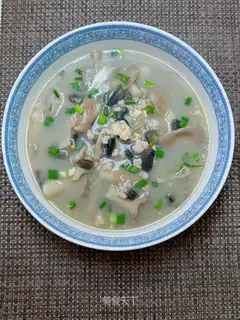
Mushrooms have been a staple in human diets for millennia, prized for their umami flavor, culinary versatility, and medicinal properties. Among the most widely cultivated and consumed varieties worldwide, the oyster mushroom (Pleurotus ostreatus) stands out as a nutritional and functional food. With its delicate texture, mild taste, and impressive profile of vitamins, minerals, and bioactive compounds, oyster mushrooms have transcended traditional cuisine to gain recognition as a "superfood." This article explores the nutritional composition of oyster mushrooms, their evidence-based health benefits, potential risks, and best practices for consumption to maximize their advantages.
I. Nutritional Profile of Oyster Mushrooms
Oyster mushrooms are low in calories yet rich in essential nutrients, making them an ideal addition to balanced diets. A 100-gram serving of fresh oyster mushrooms (approximately 1 cup, sliced) contains roughly 33 calories, 2-3 grams of protein, 0.5 grams of fat, and 6 grams of carbohydrates, including 2 grams of dietary fiber. Their nutritional value is further enhanced by a diverse array of vitamins, minerals, and unique bioactive compounds.
1. Protein and Amino Acids
Though not as protein-dense as animal products, oyster mushrooms are a valuable plant-based protein source. They contain all nine essential amino acids, including lysine and leucine, which are often limited in grains and legumes. This makes them particularly beneficial for vegetarians and vegans seeking to complete their protein profiles. The protein in oyster mushrooms is also easily digestible, with a bioavailability of approximately 70-80%, due to their low chitin content (a fibrous compound that can hinder nutrient absorption in some mushrooms).
2. Vitamins
Oyster mushrooms are a potent source of B vitamins, which play critical roles in energy metabolism, nervous system function, and red blood cell production. Notably, they are rich in:
- Riboflavin (B2): Supports cellular respiration and antioxidant defense. A 100-gram serving provides 20-35% of the daily recommended intake (DRI).
- Niacin (B3): Essential for DNA repair and skin health. Oyster mushrooms contain 2-3 milligrams per 100 grams, contributing 15-20% of DRI.
- Pantothenic Acid (B5): Involved in coenzyme A synthesis, which is vital for metabolizing fats and carbohydrates.
- Folate (B9): Critical for cell division and fetal development, with 100 grams providing 10-15% of DRI.
They are also one of the few non-animal sources of vitamin D2 (ergocalciferol), which forms when the mushrooms are exposed to UV light. Vitamin D is crucial for calcium absorption, bone health, and immune function. A 100-gram serving of UV-exposed oyster mushrooms can provide up to 18 micrograms (720 IU) of vitamin D, covering over 100% of the DRI for most adults.
3. Minerals
Oyster mushrooms are a good source of essential minerals, including:
- Potassium: Regulates blood pressure and fluid balance, with 100 grams providing 300-400 milligrams (8-10% of DRI).
- Iron: Supports oxygen transport in the blood. While plant-based iron (non-heme) is less easily absorbed than heme iron, the vitamin C in oyster mushrooms enhances its bioavailability.
- Zinc: Vital for immune function, wound healing, and DNA synthesis. A 100-gram serving provides 1-2 milligrams (10-20% of DRI).
- Selenium: A powerful antioxidant that protects cells from oxidative damage. Oyster mushrooms grown in selenium-rich soils can provide up to 20 micrograms per 100 grams (36% of DRI).
4. Bioactive Compounds
What truly sets oyster mushrooms apart are their unique bioactive compounds, which contribute to both flavor and medicinal properties:
- Beta-Glucans: Soluble fibers that modulate the immune system, lower cholesterol, and regulate blood sugar. Oyster mushrooms contain beta-glucans such as pleuran, which has been studied for its anti-cancer and anti-inflammatory effects.
- Ergothioneine: A rare amino acid with potent antioxidant properties. It accumulates in oyster mushrooms at concentrations 10-20 times higher than in most other foods, protecting cells from oxidative stress and inflammation.
- Polysaccharides: Complex carbohydrates that exhibit immunomodulatory, anti-tumor, and anti-aging effects. For example, Pleuran, a polysaccharide extracted from oyster mushrooms, has been approved in some countries as a dietary supplement for immune support.
- Lectins: Proteins that may have anti-cancer properties by inhibiting tumor cell growth. However, some lectins are heat-sensitive, so cooking is essential to neutralize potential adverse effects.
II. Evidence-Based Health Benefits of Oyster Mushrooms
The combination of nutrients and bioactive compounds in oyster mushrooms confers a wide range of health benefits, supported by both traditional use and modern scientific research.
1. Immune System Modulation
Oyster mushrooms are renowned for their immune-boosting properties, primarily due to beta-glucans and polysaccharides. These compounds activate immune cells such as macrophages, natural killer (NK) cells, and T-lymphocytes, enhancing the body’s ability to fight infections and diseases. A 2013 study published in the Journal of Medicinal Food found that extracts from oyster mushrooms increased NK cell activity by 60% in human subjects, suggesting potential benefits for cancer prevention and immune support.
2. Cardiovascular Health
Regular consumption of oyster mushrooms may reduce the risk of heart disease by improving lipid profiles and blood pressure. Beta-glucans bind to bile acids in the intestines, promoting their excretion and reducing the liver’s need to produce cholesterol. A 2015 meta-analysis in Nutrition Reviews concluded that mushroom consumption (including oyster mushrooms) lowers total cholesterol by an average of 6% and LDL ("bad") cholesterol by 8%. Additionally, their potassium content helps counteract the effects of sodium, lowering blood pressure and reducing strain on the cardiovascular system.
3. Anti-Cancer Properties
Preclinical studies suggest that oyster mushrooms may inhibit tumor growth through multiple mechanisms. The polysaccharide pleuran has been shown to induce apoptosis (programmed cell death) in breast cancer cells and reduce metastasis in animal models. Beta-glucans also enhance the efficacy of chemotherapy drugs by activating immune cells to target cancer cells. While human trials are limited, epidemiological studies link high mushroom consumption to a lower risk of certain cancers, including breast and colorectal cancer.
4. Antioxidant and Anti-Inflammatory Effects
Oyster mushrooms are rich in antioxidants, including ergothioneine, selenium, and polyphenols, which neutralize free radicals and reduce oxidative stress. Chronic oxidative stress is linked to aging, neurodegenerative diseases, and cancer. A 2020 study in Food Chemistry found that oyster mushroom extracts reduced inflammation in human blood cells by inhibiting pro-inflammatory cytokines such as TNF-α and IL-6. This makes them potentially beneficial for conditions like arthritis, inflammatory bowel disease, and metabolic syndrome.
5. Blood Sugar Regulation
Oyster mushrooms may help manage diabetes and insulin resistance. Their high fiber content slows carbohydrate digestion, preventing blood sugar spikes. Beta-glucans also improve insulin sensitivity by enhancing glucose uptake in cells. A 2018 study in Journal of Ethnopharmacology demonstrated that oyster mushroom extract reduced blood sugar levels by 30% in diabetic rats, with effects comparable to the anti-diabetic drug metformin.
6. Gut Health
As a prebiotic, oyster mushrooms nourish beneficial gut bacteria, such as Lactobacillus and Bifidobacterium, which support digestion, nutrient absorption, and immune function. Their fiber content also promotes regularity and prevents constipation. Additionally, the polysaccharides in oyster mushrooms may reduce gut inflammation, making them beneficial for individuals with irritable bowel syndrome (IBS) or leaky gut syndrome.
7. Weight Management
Low in calories and high in fiber and protein, oyster mushrooms are an excellent food for weight control. Fiber promotes satiety, reducing overall calorie intake, while protein helps preserve muscle mass during weight loss. A 100-gram serving provides just 33 calories but 2 grams of protein and 2 grams of fiber, making it a filling addition to salads, soups, and stir-fries.
III. Potential Risks and Precautions
While oyster mushrooms are generally safe for most people, certain precautions should be taken to avoid adverse effects.
1. Allergic Reactions
Though rare, some individuals may be allergic to oyster mushrooms. Symptoms can range from mild (itching, hives) to severe (anaphylaxis). Those with mushroom allergies should avoid consumption, and first-time eaters should start with a small portion to test for sensitivity.
2. Contamination and Purity
Wild-foraged oyster mushrooms may be contaminated with heavy metals, pesticides, or toxic look-alikes. Only consume mushrooms from reputable sources or cultivate them at home to ensure safety. Commercially grown oyster mushrooms are typically free from contaminants, as they are cultivated in controlled environments.
3. Cooking is Essential
Raw oyster mushrooms contain chitin, a tough fiber that can cause digestive discomfort, and small amounts of potentially harmful compounds like lectins. Cooking breaks down chitin, improving digestibility, and neutralizes heat-sensitive toxins. Steaming, sautéing, or boiling oyster mushrooms for 10-15 minutes is recommended.
4. Interaction with Medications
Oyster mushrooms may interact with blood-thinning medications (e.g., warfarin) due to their vitamin K content. Vitamin K promotes blood clotting, and sudden changes in intake can affect medication efficacy. Individuals taking blood thinners should consume oyster mushrooms consistently and consult their healthcare provider.
5. Autoimmune Conditions
Beta-glucans stimulate the immune system, which may exacerbate symptoms in individuals with autoimmune diseases (e.g., lupus, rheumatoid arthritis). Those with such conditions should consult a doctor before adding oyster mushrooms to their diet.
IV. Culinary Uses and Tips for Maximizing Benefits
Oyster mushrooms’ mild, slightly sweet flavor and tender texture make them a versatile ingredient in global cuisine. To maximize their nutritional value:
- Cook Them: As mentioned, cooking improves digestibility and nutrient absorption. Sauté with garlic and olive oil for a simple side dish, or add to soups, stir-fries, and pasta.
- Pair with Vitamin C: Enhance iron absorption by combining oyster mushrooms with vitamin C-rich foods like bell peppers, broccoli, or tomatoes.
- Choose Fresh or Dried: Fresh oyster mushrooms are ideal for immediate use, but dried varieties (rehydrated in warm water) retain most nutrients and offer a more concentrated umami flavor.
- Incorporate Daily: Aim for 50-100 grams of oyster mushrooms 3-4 times per week to reap their health benefits.
Conclusion
Oyster mushrooms are a nutritional and functional food that offers a remarkable array of health benefits, from immune support and heart health to anti-cancer and anti-inflammatory effects. Their low calorie, high nutrient, and bioactive compound content make them a valuable addition to any diet. While precautions such as proper cooking and awareness of allergies are necessary, the overwhelming evidence supports oyster mushrooms as a "superfood" with the potential to enhance overall well-being. As research continues to uncover their therapeutic potential, oyster mushrooms are poised to remain a cornerstone of both healthy eating and traditional medicine for generations to come.