Bamboo fungus, scientifically known as Dichomitus squalens or commonly referred to as "bamboo pith" or "veil fungus," is a cherished edible mushroom deeply rooted in traditional Asian cuisine and medicine. With its delicate, lace-like cap and crisp, tender texture, bamboo fungus has long been prized not only for its culinary versatility but also for its impressive nutritional profile and potential health benefits. Often dubbed the "king of fungi" in Chinese culture, this delicate ingredient grows on decaying bamboo roots in warm, humid climates, particularly in regions like China, Southeast Asia, and parts of Africa. Today, bamboo fungus has gained global recognition as a superfood, celebrated for its low calorie content, high nutrient density, and unique medicinal properties. This article explores the nutritional value of bamboo fungus, its diverse health benefits, and important considerations for safe consumption.
I. Nutritional Value of Bamboo Fungus
Bamboo fungus is a nutritional powerhouse, packed with essential vitamins, minerals, proteins, and bioactive compounds that contribute to overall health. Its nutritional composition makes it a valuable addition to a balanced diet, particularly for those seeking nutrient-dense, low-calorie foods.
1. Rich in Essential Amino Acids
As a complete protein source, bamboo fungus contains all nine essential amino acids that the human body cannot synthesize independently. These amino acids—including lysine, leucine, and phenylalanine—are critical for muscle repair, immune function, and hormone production. Studies show that bamboo protein accounts for approximately 20-25% of its dry weight, with a biological value comparable to animal proteins like eggs and milk, making it an excellent choice for vegetarians and vegans.
2. Abundance of Vitamins and Minerals
Bamboo fungus is a natural source of key vitamins and minerals that support metabolic and physiological processes. Notably, it is rich in B vitamins (such as B1, B2, and B3), which play vital roles in energy metabolism, nervous system function, and skin health. It also contains significant amounts of minerals like potassium, magnesium, calcium, and iron. Potassium helps regulate blood pressure and fluid balance, while magnesium supports muscle and nerve function. Iron, essential for oxygen transport in the blood, is particularly beneficial for individuals with iron-deficiency anemia.
3. Dietary Fiber and Low-Calorie Content
With high fiber content (up to 30% of dry weight) and minimal calories (approximately 20-30 kcal per 100 grams), bamboo fungus is an ideal food for weight management. Dietary fiber promotes satiety, reduces overeating, and supports digestive health by preventing constipation and feeding beneficial gut bacteria. Additionally, its low glycemic index makes it suitable for individuals with diabetes, as it helps stabilize blood sugar levels.
4. Bioactive Compounds with Therapeutic Potential
Beyond macronutrients and micronutrients, bamboo fungus contains unique bioactive compounds, including polysaccharides, phenolic acids, and triterpenoids, which contribute to its medicinal properties. These compounds exhibit antioxidant, anti-inflammatory, and immunomodulatory effects, protecting the body from oxidative stress and chronic diseases.
II. Health Benefits of Bamboo Fungus
The combination of nutrients and bioactive compounds in bamboo fungus translates to a wide range of health benefits, from boosting immunity to supporting cardiovascular health.
1. Enhances Immune Function
Bamboo fungus polysaccharides are potent immunomodulators that enhance the activity of immune cells such as macrophages, natural killer (NK) cells, and T-lymphocytes. Research indicates that these polysaccharides stimulate the production of cytokines, proteins that regulate immune responses, thereby strengthening the body’s defense against infections and diseases. Regular consumption may reduce the frequency of colds and flu and improve recovery from illnesses.
2. Antioxidant and Anti-Aging Properties
Oxidative stress, caused by an imbalance between free radicals and antioxidants, is a major contributor to aging and chronic diseases like cancer and heart disease. Bamboo fungus is rich in phenolic acids and flavonoids, which act as powerful antioxidants, neutralizing free radicals and reducing cellular damage. Studies have shown that bamboo extract can inhibit lipid peroxidation (a process that damages cell membranes) and increase the activity of endogenous antioxidant enzymes like superoxide dismutase (SOD). These properties make bamboo fungus a valuable ally in anti-aging and disease prevention.
3. Supports Cardiovascular Health
The potassium and fiber content in bamboo fungus makes it beneficial for heart health. Potassium counteracts the effects of sodium, helping to lower blood pressure and reduce the risk of hypertension. Meanwhile, soluble fiber binds to cholesterol in the digestive system, preventing its absorption and lowering LDL ("bad") cholesterol levels. Additionally, bamboo polysaccharides have been found to inhibit platelet aggregation, reducing the risk of blood clots and stroke.
4. Promotes Digestive Health
As a high-fiber food, bamboo fungus supports a healthy digestive system by promoting regular bowel movements and preventing constipation. The fiber also acts as a prebiotic, nourishing beneficial gut bacteria like Lactobacillus and Bifidobacterium, which are essential for maintaining gut microbiota balance. A healthy gut microbiome is linked to improved immunity, better mood, and reduced risk of digestive disorders such as irritable bowel syndrome (IBS).
5. Regulates Blood Sugar Levels
Bamboo fungus is a low-glycemic food, meaning it causes a slow, gradual rise in blood sugar levels, making it suitable for individuals with diabetes or prediabetes. The fiber content slows down carbohydrate absorption, preventing spikes in blood glucose after meals. Some studies suggest that bamboo polysaccharides may enhance insulin sensitivity, improving the body’s ability to regulate blood sugar.
6. Anti-Cancer Potential
Preliminary research indicates that bamboo fungus extracts may exhibit anti-cancer properties. The polysaccharides and triterpenoids in bamboo have been shown to inhibit the proliferation of cancer cells, including those of the liver, lung, and colon. These compounds induce apoptosis (programmed cell death) in cancer cells and suppress tumor angiogenesis (the formation of new blood vessels that feed tumors). While more clinical trials are needed, these findings highlight bamboo fungus as a potential complementary therapy in cancer prevention.
7. Weight Management Aid
With its low calorie and high fiber content, bamboo fungus is an excellent food for weight loss and weight maintenance. Fiber adds bulk to meals, promoting satiety and reducing overall calorie intake. Additionally, its high water content (over 90% in fresh form) helps hydrate the body and curb cravings. Incorporating bamboo fungus into dishes like soups, salads, or stir-fries can enhance nutritional value without adding excessive calories.
III. Precautions and Contraindications
While bamboo fungus offers numerous health benefits, it is important to consume it responsibly to avoid potential side effects. Certain precautions apply, particularly for individuals with specific health conditions or those new to this ingredient.
1. Proper Cleaning and Preparation
Fresh bamboo fungus often contains dirt, sand, or residual bamboo debris, which must be thoroughly cleaned before consumption. To prepare:
- Soak fresh bamboo fungus in warm water for 20-30 minutes until it softens.
- Trim the hard, root-like base and rinse gently under running water.
- For dried bamboo fungus, soak in water for 1-2 hours until rehydrated, then discard any tough parts.
Improper cleaning may lead to gastrointestinal discomfort or ingestion of contaminants.
2. Allergic Reactions
Although rare, some individuals may be allergic to bamboo fungus, particularly those with mushroom sensitivities. Symptoms of an allergic reaction include itching, rash, swelling, or difficulty breathing. If you are trying bamboo fungus for the first time, start with a small amount and monitor for adverse reactions. Discontinue use and consult a healthcare professional if symptoms occur.
3. Consumption During Pregnancy and Breastfeeding
Pregnant and breastfeeding women should exercise caution when consuming bamboo fungus. While traditional medicine uses it to nourish maternal health, there is limited scientific evidence on its safety during these stages. It is advisable to consult a doctor before including bamboo fungus in the diet.
4. Interaction with Medications
Bamboo fungus may interact with certain medications, particularly blood thinners (e.g., warfarin) and diabetes drugs. Its high vitamin K content can interfere with anticoagulant therapy, while its blood sugar-lowering effects may enhance the effects of diabetes medications. Individuals taking these medications should consult a healthcare provider before consuming bamboo fungus regularly.
5. Overconsumption Risks
Excessive consumption of bamboo fungus may lead to digestive issues such as bloating, gas, or diarrhea, due to its high fiber content. Moderation is key—aim for 1-2 servings per week to enjoy its benefits without overwhelming the digestive system.
6. Quality and Sourcing
Ensure that bamboo fungus is purchased from reputable sources to avoid contamination with heavy metals, pesticides, or adulterants. Dried bamboo fungus should be stored in a cool, dry place, while fresh bamboo fungus should be used within 2-3 days of purchase.
IV. Culinary Uses and Incorporation into the Diet
Bamboo fungus’s mild, slightly earthy flavor and crunchy texture make it a versatile ingredient in various cuisines. Here are some popular ways to incorporate it into your diet:
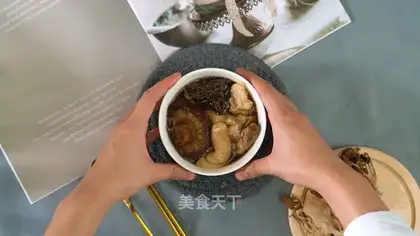
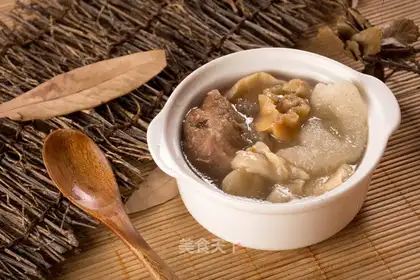
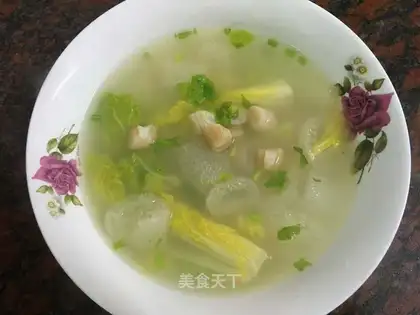
- Soups and Stews: Bamboo fungus absorbs the flavors of broths, making it ideal for soups like Buddha’s Delight (a vegetarian dish with mushrooms, tofu, and vegetables) or chicken and bamboo fungus soup.
- Stir-fries: Sauté bamboo fungus with vegetables, tofu, or meat for a crisp, nutritious side dish.
- Salads: Add rehydrated bamboo fungus to green salads or Asian-inspired salads for texture and nutrients.
- Steamed Dishes: Combine bamboo fungus with seafood or chicken and steam with ginger and soy sauce for a light, flavorful meal.
- Desserts: In some Asian cuisines, bamboo fungus is used in sweet soups or desserts, often paired with ingredients like red dates and lotus seeds.
Conclusion
Bamboo fungus is a remarkable ingredient that bridges the gap between culinary delight and nutritional science. Its rich amino acid profile, abundance of vitamins and minerals, and potent bioactive compounds make it a superfood with diverse health benefits, from immune support to anti-aging and disease prevention. However, like all foods, it should be consumed mindfully, with attention to preparation, quality, and individual health needs. Whether enjoyed in a hearty soup or a crisp stir-fry, bamboo fungus offers a delicious and nutritious way to enhance overall health and well-being. As research continues to uncover its therapeutic potential, this "king of fungi" is poised to remain a staple in both traditional and modern diets worldwide.