Introduction
Among the diverse treasures of the fungal kingdom, Hua Gu—literally "flower mushroom" in Chinese—stands out as a culinary and nutritional gem. A premium variety of Lentinula edodes (shiitake mushroom), Hua Gu is distinguished by its thick, cracked cap resembling a blooming flower, a result of specific drying techniques that enhance its flavor and bioactive compounds. For centuries, this mushroom has been a staple in traditional Asian medicine and cuisine, revered for its umami-rich taste and purported health benefits. Today, modern science is increasingly validating its nutritional prowess, positioning Hua Gu as a superfood with applications ranging from immune support to chronic disease prevention. This article explores the nutritional profile of Hua Gu, its evidence-based health benefits, potential risks, and practical tips for incorporation into a balanced diet.
Nutritional Profile of Hua Gu
Hua Gu’s nutritional value is a testament to its status as a functional food. Unlike many low-calorie vegetables, it offers a unique balance of macronutrients, fiber, vitamins, and minerals, alongside potent bioactive compounds.
Macronutrients and Fiber
A 100-gram serving of dried Hua Gu (typically rehydrated before consumption) contains approximately 2.2 grams of protein, including all nine essential amino acids, making it a rare complete protein source in the plant kingdom. It is low in fat (0.3 grams) and carbohydrates (7 grams), with 2.5 grams being dietary fiber—primarily soluble fibers like beta-glucans, which play a key role in digestive and metabolic health.
Vitamins and Minerals
Hua Gu is a rich source of B vitamins, including niacin (B3), riboflavin (B2), and pantothenic acid (B5), which are critical for energy metabolism, nervous system function, and skin health. Notably, it is one of the few plant-based sources of vitamin D2, especially when exposed to sunlight during drying, with a 100-gram serving providing up to 18% of the daily recommended intake. This is particularly valuable for individuals with limited sun exposure.
Mineral-wise, Hua Gu excels in copper, selenium, and potassium. Copper is essential for iron absorption and red blood cell formation, while selenium acts as a powerful antioxidant, protecting cells from oxidative damage. Potassium, meanwhile, helps regulate blood pressure and fluid balance.
Bioactive Compounds
The true magic of Hua Gu lies in its bioactive compounds, which are concentrated during the drying process that creates its characteristic "flower" cap. These include:
- Beta-glucans: Complex polysaccharides that modulate immune function and lower cholesterol.
- Eritadenine: A compound shown to reduce blood lipid levels.
- Lentinan: A beta-glucan derivative with potent anti-tumor properties, extensively studied in cancer research.
- Triterpenoids: Anti-inflammatory and antioxidant compounds that protect against cellular damage.
Health Benefits of Hua Gu
1. Immune System Modulation
Hua Gu’s most well-documented benefit is its ability to enhance immune function. Beta-glucans and lentinan interact with immune cells such as macrophages, natural killer (NK) cells, and T-cells, activating their ability to detect and destroy pathogens. Research published in the Journal of Medicinal Food found that lentinan stimulates the production of cytokines—signaling molecules that regulate immune responses—thereby improving resistance to infections like influenza and even enhancing the efficacy of certain cancer therapies.
2. Cardiovascular Health
Regular consumption of Hua Gu may reduce the risk of heart disease by targeting multiple risk factors. The eritadenine in Hua Gu inhibits an enzyme involved in cholesterol synthesis, lowering LDL ("bad") cholesterol levels. Meanwhile, its soluble fiber binds to bile acids in the digestive tract, promoting their excretion and forcing the body to use existing cholesterol to produce more bile. A 2019 study in the European Journal of Nutrition found that participants who consumed 5 grams of dried shiitake mushrooms daily for 8 weeks experienced a 12% reduction in LDL cholesterol and a 10% decrease in triglycerides.
3. Anti-Cancer Properties
Lentinan, the star compound in Hua Gu, has shown promise in cancer prevention and treatment. In vitro and animal studies reveal that it inhibits tumor growth by inducing apoptosis (programmed cell death) in cancer cells and suppressing angiogenesis (the formation of new blood vessels that feed tumors). While human trials are ongoing, lentinan is already used as an adjunct therapy in Japan for gastric and colorectal cancer, improving survival rates and reducing chemotherapy side effects.
4. Antioxidant and Anti-Inflammatory Effects
Oxidative stress and chronic inflammation are underlying factors in aging, neurodegenerative diseases, and metabolic disorders. Hua Gu is rich in antioxidants like selenium and triterpenoids, which neutralize free radicals—unstable molecules that damage DNA and cells. A 2020 study in Food Chemistry demonstrated that Hua Gu extract reduced markers of inflammation (such as TNF-alpha and IL-6) in human blood cells, suggesting potential for managing conditions like arthritis or inflammatory bowel disease.
5. Blood Sugar Regulation
For individuals with diabetes or prediabetes, Hua Gu may offer a natural tool for blood sugar control. Its high fiber content slows carbohydrate absorption, preventing spikes in blood glucose after meals. Additionally, alpha-glucosidase inhibitors in Hua Gu inhibit the enzyme responsible for breaking down complex sugars into glucose, further reducing post-meal blood sugar levels. A 2017 study in Phytotherapy Research found that diabetic rats fed Hua Gu extract had 30% lower fasting blood sugar levels than controls.
6. Liver Health
The liver is the body’s primary detoxification organ, and Hua Gu may support its function through its antioxidant and lipid-lowering properties. Research indicates that lentinan protects against liver damage caused by alcohol, toxins, and high-fat diets by reducing oxidative stress and inflammation. A 2018 study in Journal of Ethnopharmacology showed that Hua Gu extract improved liver enzyme levels and reduced fat accumulation in the livers of mice with non-alcoholic fatty liver disease (NAFLD).
Culinary Uses and Preparation Tips
Hua Gu’s robust, umami flavor makes it a versatile ingredient in global cuisine. Dried Hua Gu is preferred for its concentrated flavor and bioactive compounds, but proper rehydration is key to maximizing its benefits.
Rehydration and Cooking
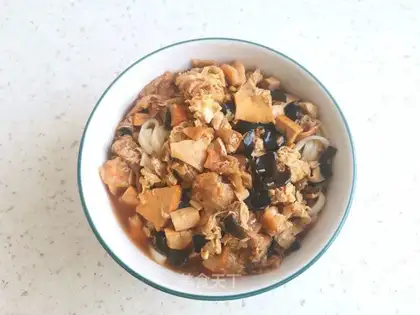
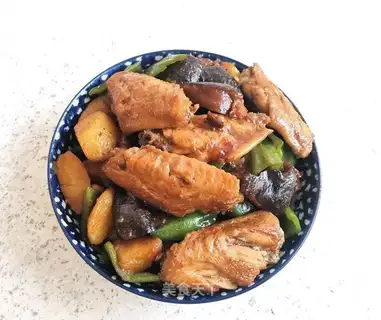
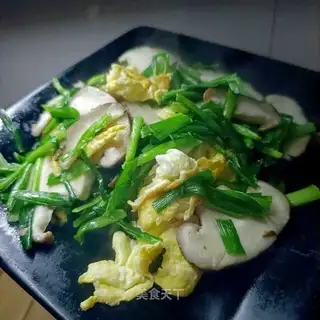
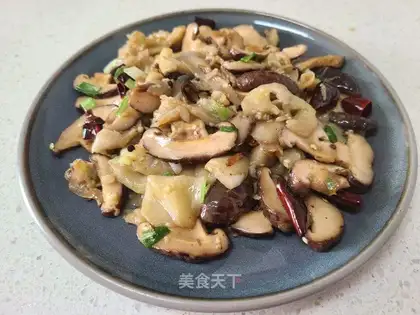
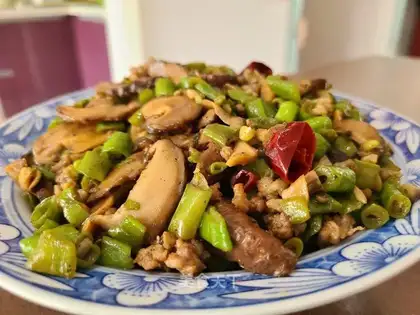
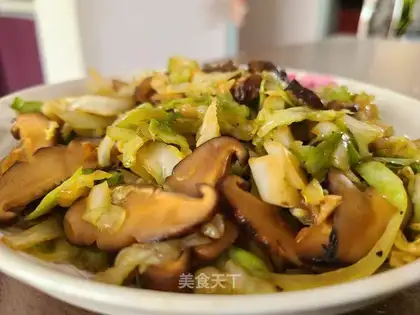
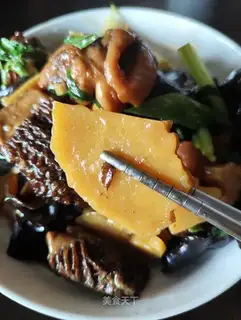
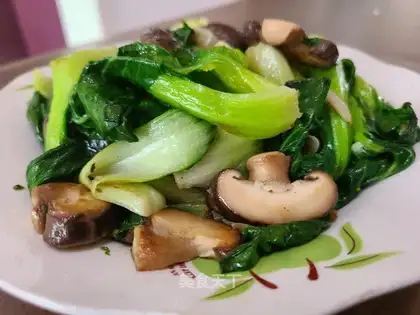
To rehydrate dried Hua Gu, soak in warm water for 20–30 minutes until soft. The soaking liquid, rich in vitamins and minerals, can be reserved for soups or sauces. Once rehydrated, Hua Gu can be stir-fried, braised, added to stews, or used as a meat substitute in vegetarian dishes. Its meaty texture makes it ideal for dishes like Hua Gu braised with bok choy, mushroom risotto, or vegetarian "bacon" strips.
Flavor Pairings
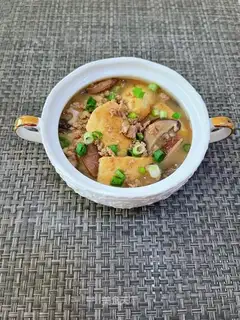
Hua Gu pairs well with ingredients that complement its earthy, umami profile: garlic, soy sauce, ginger, sesame oil, and mushrooms like shiitake or portobello. It also enhances the flavor of plant-based proteins such as tofu, lentils, and beans.
Potential Side Effects and Precautions
While Hua Gu is safe for most people, certain precautions should be noted:
1. Allergic Reactions
Although rare, mushroom allergies can cause symptoms ranging from mild (hives, itching) to severe (anaphylaxis). Individuals with known mushroom allergies should avoid Hua Gu.
2. Blood Thinning
Hua Gu contains vitamin K, which plays a role in blood clotting. People taking anticoagulant medications (e.g., warfarin) should consume Hua Gu consistently to avoid interactions that could reduce the drug’s efficacy.
3. Autoimmune Disorders
Due to its immune-stimulating effects, Hua Gu may exacerbate symptoms in individuals with autoimmune diseases (e.g., lupus, rheumatoid arthritis). Such individuals should consult a healthcare provider before regular consumption.
4. Digestive Discomfort
The high fiber content in Hua Gu may cause bloating or gas in sensitive individuals, especially when consumed in large amounts. Starting with small portions and increasing intake gradually can mitigate this.
5. Pesticide Residues
As with all mushrooms, choosing organic or sustainably sourced Hua Gu reduces the risk of pesticide exposure. Wild-foraged mushrooms should be avoided unless harvested by an expert, as some toxic species resemble edible varieties.
Conclusion
Hua Gu, the "flower mushroom," is far more than a culinary delight—it is a nutritional powerhouse backed by centuries of traditional use and modern scientific research. Its unique combination of protein, fiber, vitamins, minerals, and bioactive compounds makes it a valuable ally for immune health, heart function, cancer prevention, and metabolic wellness. While it is not a "magic bullet," incorporating Hua Gu into a balanced diet can enhance overall health and add depth to meals. As with any food, moderation and awareness of individual health needs are key. Whether dried in soups, stir-fried with vegetables, or powdered as a supplement, Hua Gu exemplifies the intersection of taste and nutrition, proving that some of nature’s greatest gifts also come in its most delicious forms.
Word Count: ~1,500