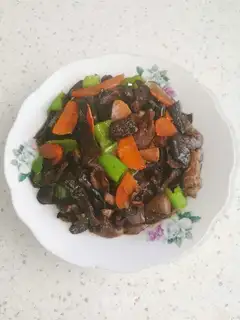
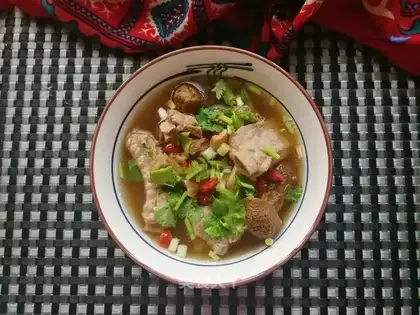
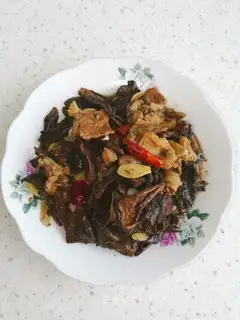
Boletus edulis, commonly known as the porcini mushroom, king bolete, or cep, is a highly prized edible mushroom revered by chefs, foragers, and health enthusiasts alike. With its meaty texture, rich, earthy flavor, and distinctive brown cap, it has earned the title “king of mushrooms” in culinary traditions across Europe, Asia, and North America. Beyond its gastronomic appeal, boletus edulis is a nutritional powerhouse, offering a wide array of health benefits. However, like many wild foods, it must be consumed with caution to avoid potential risks. This article explores the nutritional profile, health-promoting properties, and essential precautions associated with boletus edulis.
Nutritional Profile of Boletus Edulis
Boletus edulis is a nutrient-dense food, packed with vitamins, minerals, proteins, and bioactive compounds that contribute to its status as a functional food. A 100-gram serving of fresh porcini mushrooms (approximately 1 cup, sliced) contains approximately:
- Calories: 22 kcal (making it a low-calorie, nutrient-rich option).
- Protein: 3.3 grams, including all essential amino acids such as lysine, leucine, and valine, which are crucial for muscle repair and immune function.
- Carbohydrates: 4.9 grams, with 2 grams of dietary fiber (aiding digestion and gut health) and minimal sugars.
- Fat: 0.5 grams, primarily heart-healthy unsaturated fats.
- Vitamins:
- Vitamin D: One of the few plant-based sources of vitamin D, especially when exposed to sunlight. Vitamin D is essential for bone health, immune regulation, and mood stabilization.
- B Vitamins: Rich in B2 (riboflavin), B3 (niacin), B5 (pantothenic acid), and B6. These vitamins play key roles in energy metabolism, nervous system function, and skin health.
- Vitamin C: A potent antioxidant that supports collagen synthesis and immune defense.
- Minerals:
- Potassium: 416 mg, more than a banana, which helps regulate blood pressure and fluid balance.
- Iron: 2.7 mg, vital for oxygen transport and preventing anemia (especially beneficial for vegetarians and vegans).
- Copper: 0.4 mg, necessary for iron absorption, antioxidant production, and nerve health.
- Selenium: 17.5 mcg, a trace mineral that acts as an antioxidant and supports thyroid function.
- Bioactive Compounds: Contains ergothioneine, a unique amino acid with potent antioxidant properties, and beta-glucans, which modulate immune activity.
Dried boletus edulis offers an even more concentrated nutrient profile, with protein and fiber content increasing by 3–4 times after dehydration, making it a valuable staple for long-term storage.
Health Benefits of Boletus Edulis
The combination of vitamins, minerals, and bioactive compounds in boletus edulis confers a range of health benefits, from immune support to chronic disease prevention.
1. Immune System Enhancement
Boletus edulis is rich in beta-glucans, polysaccharides that stimulate the activity of macrophages, natural killer (NK) cells, and T-cells—key components of the immune system. Studies show that beta-glucans enhance the body’s ability to fight infections and reduce inflammation. Additionally, ergothioneine, a compound abundant in porcini mushrooms, protects immune cells from oxidative stress, ensuring optimal function.
2. Antioxidant and Anti-Inflammatory Properties
Oxidative stress, caused by an imbalance between free radicals and antioxidants, is linked to chronic diseases such as cancer, heart disease, and neurodegenerative disorders. Boletus edulis is a potent source of antioxidants, including ergothioneine, selenium, and vitamin C, which neutralize free radicals and reduce cellular damage. Its anti-inflammatory compounds also help alleviate conditions like arthritis and inflammatory bowel disease (IBD).
3. Cardiovascular Health
The low-fat, high-fiber, and potassium-rich profile of boletus edulis makes it heart-friendly. Potassium counteracts the effects of sodium, lowering blood pressure and reducing the risk of stroke. The fiber content helps lower LDL (“bad”) cholesterol levels, while antioxidants prevent the oxidation of cholesterol, a key step in the development of atherosclerosis.
4. Cancer Prevention Potential
Research suggests that boletus edulis may inhibit the growth of cancer cells. A 2019 study published in the Journal of Medicinal Food found that porcini mushroom extract suppressed the proliferation of breast cancer cells by inducing apoptosis (programmed cell death). The mushroom’s high selenium content also plays a role, as selenium is involved in DNA repair and has been associated with a reduced risk of prostate, lung, and colorectal cancers.
5. Cognitive Health and Neuroprotection
Ergothioneine, often called the “longevity vitamin,” accumulates in the brain and protects neurons from oxidative stress and inflammation. Studies link higher ergothioneine levels to a reduced risk of neurodegenerative diseases like Alzheimer’s and Parkinson’s. Additionally, the B vitamins in boletus edulis support neurotransmitter synthesis, improving mood and cognitive function.
6. Weight Management and Digestive Health
With just 22 calories per 100 grams and 2 grams of fiber, boletus edulis is an excellent food for weight management. Fiber promotes satiety, reducing overall calorie intake, while supporting a healthy gut microbiome. The prebiotic fibers in porcini mushrooms nourish beneficial gut bacteria, enhancing digestion and reducing the risk of gastrointestinal disorders.
Precautions and Potential Risks
While boletus edulis is safe for most people when properly prepared, improper harvesting, consumption, or identification can lead to adverse effects.
1. Proper Identification and Harvesting
The most critical precaution is ensuring that the mushroom is correctly identified. Boletus edulis belongs to the Boletaceae family, and several toxic species, such as Boletus satanas (the “satannic bolete”) or Tylopilus felleus (the “bitter bolete”), resemble it. Toxic boletes may cause gastrointestinal distress (nausea, vomiting, diarrhea) or, in rare cases, organ damage. Foragers should:
- Consult expert guides or forage with experienced individuals.
- Look for identifying features: a brown, velvety cap; white to yellow pores (not red or pink); and a sturdy, reticulate (net-like) stem.
- Avoid mushrooms with slimy caps, insect infestations, or signs of decay.
2. Cooking is Essential
Raw boletus edulis contains chitin, a tough fiber that is difficult to digest, as well as trace amounts of heat-sensitive toxins. Cooking breaks down chitin, making nutrients more bioavailable, and neutralizes potential harmful compounds. Boiling, sautéing, or grilling are recommended methods.
3. Allergic Reactions
Though rare, some individuals may be allergic to boletus edulis. Symptoms include hives, itching, swelling, or difficulty breathing. Those with mushroom allergies should avoid consumption, and first-time eaters should start with a small portion.
4. Heavy Metal Accumulation
As with wild mushrooms, boletus edulis may absorb heavy metals (e.g., cadmium, lead) from contaminated soil. Foragers should avoid harvesting from polluted areas (e.g., near industrial sites, roads, or landfills). Commercially sourced porcini mushrooms are generally safer, as they are grown in controlled environments.
5. Drug Interactions
Boletus edulis may interact with blood-thinning medications (e.g., warfarin) due to its vitamin K content, which plays a role in blood clotting. Individuals taking such medications should consult a healthcare provider before consuming porcini mushrooms regularly.
Conclusion
Boletus edulis is a remarkable fungus that combines culinary excellence with exceptional nutritional value. Its high protein, fiber, vitamin, and mineral content, coupled with potent bioactive compounds, make it a valuable addition to a healthy diet, supporting immune function, heart health, and disease prevention. However, its safe enjoyment hinges on proper identification, thorough cooking, and awareness of potential risks. Whether dried in risottos, grilled as a steak alternative, or fresh in salads, porcini mushrooms offer a delicious and nutritious way to enhance both meals and well-being—provided they are handled with care and respect for nature’s complexity.