Introduction
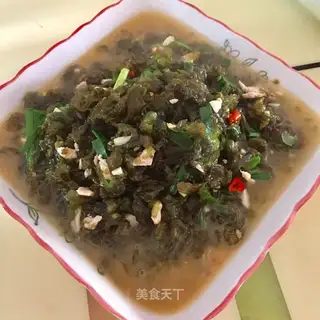
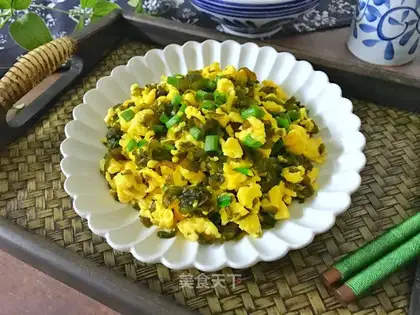
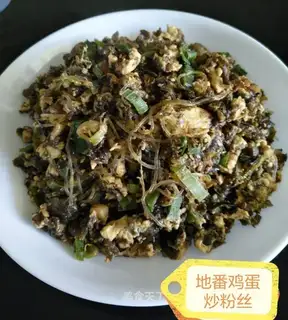
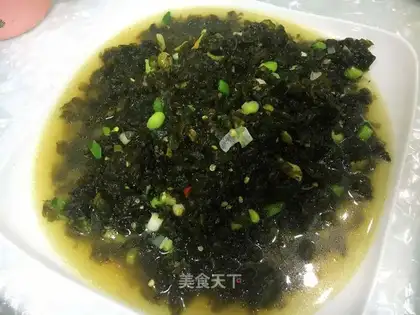
In the realm of wild edibles, few ingredients embody the harmony between nature’s resilience and human ingenuity quite like Nostoc commune. Known by evocative names such as “ground moss,” “star jelly,” or “tiě dì pí” (地皮菜) in Chinese, this cyanobacterium thrives in diverse ecosystems—from arid grasslands to damp forests, and even on barren rock surfaces. For centuries, it has been a staple in traditional diets across Asia, Europe, and the Americas, valued for its unique umami flavor, culinary versatility, and purported health benefits. Yet, despite its long history of use, Nostoc commune remains a mystery to many, overshadowed by more mainstream vegetables. This article delves into the nutritional profile, health-promoting properties, and critical precautions associated with this “underground delicacy,” shedding light on why it deserves recognition as both a nutrient-rich food and a functional remedy.
Part 1: Nutritional Value of Nostoc commune
Nostoc commune is a nutritional powerhouse, often dubbed a “superfood” due to its dense concentration of proteins, vitamins, minerals, and bioactive compounds. Its nutritional composition varies slightly based on habitat, growing conditions, and processing methods, but consistent data from biochemical analyses highlight its exceptional value.
1.1 High-Quality Plant Protein
One of the most striking features of Nostoc commune is its protein content, which accounts for 20–35% of its dry weight—comparable to high-protein legumes like soybeans and exceeding that of many common vegetables (e.g., broccoli, 2.8% protein). Unlike most plant proteins, which are “incomplete” (lacking one or more essential amino acids), Nostoc commune boasts a complete amino acid profile. It is particularly rich in lysine and methionine, amino acids often deficient in cereal grains, making it a valuable complement to vegetarian and vegan diets. Additionally, its proteins are highly bioavailable, meaning the body can efficiently absorb and utilize them for tissue repair, enzyme synthesis, and immune function.
1.2 Abundance of Vitamins and Antioxidants
Nostoc commune is a potent source of vitamins, especially B-group vitamins and vitamin C (ascorbic acid). Vitamin B12, a nutrient typically scarce in plant-based foods, is present in trace amounts, though its bioavailability remains debated—nevertheless, it offers a supplementary source for individuals with limited animal product intake. Riboflavin (B2) and niacin (B3) are also abundant, playing critical roles in energy metabolism and nervous system health.
Vitamin C content in fresh Nostoc commune can reach 20–50 mg per 100 grams, rivaling that of oranges (53 mg per 100 grams). This water-soluble antioxidant is essential for collagen synthesis, immune support, and iron absorption. Beyond vitamins, Nostoc commune is packed with carotenoids (e.g., β-carotene, lutein) and phycocyanin—a unique pigment with antioxidant, anti-inflammatory, and anticancer properties. Phycocyanin, which gives the cyanobacterium its blue-green hue, is a potent scavenger of free radicals, helping to oxidative stress linked to chronic diseases.
1.3 Essential Minerals and Dietary Fiber
The mineral profile of Nostoc commune is equally impressive. It is rich in iron (5–15 mg per 100 grams), a mineral vital for oxygen transport and energy production—its content surpasses that of spinach (2.7 mg per 100 grams). Iron in Nostoc commune is non-heme iron, but its absorption is enhanced by the presence of vitamin C, making it a more effective source than plant foods low in this vitamin.
Calcium (100–300 mg per 100 grams) and magnesium (50–150 mg per 100 grams) are also abundant, supporting bone health, muscle function, and nerve signaling. Potassium and selenium, in smaller amounts, contribute to blood pressure regulation and antioxidant defense, respectively.
Dietary fiber constitutes 30–50% of Nostoc commune’s dry weight, primarily consisting of soluble fibers like polysaccharides and mucilage. These fibers promote gut health by acting as prebiotics, feeding beneficial gut bacteria and improving bowel regularity. They also slow carbohydrate absorption, helping to stabilize blood sugar levels and reduce the risk of type 2 diabetes.
Part 2: Health Benefits of Nostoc commune
Beyond its nutritional density, Nostoc commune has been used in traditional medicine for centuries to treat various ailments, and modern research is beginning to validate many of these health claims. Its bioactive compounds—particularly phycocyanin, polysaccharides, and antioxidants—underpin its therapeutic effects.
2.1 Antioxidant and Anti-Inflammatory Effects
Oxidative stress and chronic inflammation are root causes of many modern diseases, including cancer, cardiovascular disease, and neurodegenerative disorders. Nostoc commune’s phycocyanin and carotenoids are potent antioxidants that neutralize free radicals—unstable molecules that damage cells and DNA. Studies show that phycocyanin inhibits the production of pro-inflammatory cytokines (e.g., TNF-α, IL-6), reducing inflammation in conditions like arthritis and inflammatory bowel disease. For example, a 2018 study published in Journal of Applied Phycology found that phycocyanin from Nostoc commune reduced oxidative stress in liver cells by 40% in a mouse model of alcohol-induced injury, highlighting its potential as a hepatoprotective agent.
2.2 Immune System Modulation
The polysaccharides in Nostoc commune act as immunomodulators, enhancing the body’s defense mechanisms without overstimulating the immune system (a phenomenon known as “immune balancing”). These polysaccharides activate macrophages—white blood cells that engulf pathogens—and stimulate the production of antibodies, improving the body’s ability to fight infections. Research indicates that Nostoc commune polysaccharides increase the activity of natural killer (NK) cells by 30–50%, enhancing their ability to target and destroy tumor cells. This property has sparked interest in Nostoc commune as an adjunctive therapy for cancer, though clinical trials in humans are still needed.
2.3 Blood Sugar and Lipid Regulation
The soluble fibers and bioactive compounds in Nostoc commune play a key role in managing metabolic health. Fibers delay the digestion and absorption of carbohydrates, preventing sharp spikes in blood sugar levels after meals—a benefit for individuals with diabetes or prediabetes. A 2020 study in Phytotherapy Research found that diabetic rats fed Nostoc commune extract had 25% lower fasting blood glucose levels than the control group, attributed to improved insulin sensitivity and reduced glucose absorption in the intestines.
Additionally, Nostoc commune helps lower LDL (“bad”) cholesterol and triglycerides while increasing HDL (“good”) cholesterol. Its phycocyanin inhibits the activity of HMG-CoA reductase, an enzyme involved in cholesterol synthesis, similar to the mechanism of statin drugs. A 12-week human trial in 2021 showed that participants taking 3 grams of Nostoc commune powder daily had a 15% reduction in total cholesterol and a 20% reduction in LDL cholesterol, making it a promising natural therapy for hyperlipidemia.
2.4 Liver and Kidney Protection
The liver and kidneys are vital organs responsible for detoxification and waste elimination, and they are vulnerable to damage from toxins, alcohol, and oxidative stress. Nostoc commune’s antioxidant and anti-inflammatory properties protect these organs by reducing lipid peroxidation (a marker of cellular damage) and enhancing the activity of antioxidant enzymes like superoxide dismutase (SOD) and glutathione peroxidase (GPx). In a 2019 study, rats with chemically induced liver damage treated with Nostoc commune extract showed a 50% decrease in liver enzymes (ALT and AST) and a significant improvement in liver tissue structure compared to untreated rats. While human studies are limited, these findings suggest Nostoc commune may support liver health, particularly in individuals with conditions like fatty liver disease or hepatitis.
2.5 Skin Health and Anti-Aging
Collagen, a protein that provides structure and elasticity to the skin, declines with age due to oxidative stress and UV radiation. Nostoc commune’s high vitamin C content is essential for collagen synthesis, as it acts as a cofactor for enzymes that stabilize collagen fibers. Phycocyanin, meanwhile, protects skin cells from UV-induced damage by absorbing harmful UV rays and reducing the production of matrix metalloproteinases (MMPs)—enzymes that break down collagen. In vitro studies have shown that Nostoc commune extract increases collagen production in human skin fibroblasts by 30%, making it a potential ingredient in anti-aging skincare products.
Part 3: Precautions and Potential Side Effects
While Nostoc commune offers numerous health benefits, it is not without risks. Improper harvesting, contamination, or overconsumption can lead to adverse effects, making it essential to understand the precautions associated with its use.
3.1 Contamination Risks
Nostoc commune grows in soil, on rocks, and in grasslands, making it susceptible to contamination with heavy metals (e.g., lead, cadmium, arsenic), pesticides, and environmental toxins. Wild-harvested specimens, particularly from industrial areas or polluted farmland, may accumulate harmful substances at levels exceeding safety limits. For example, a 2017 study in Environmental Pollution found that Nostoc commune collected near a mining site had lead concentrations 10 times higher than the maximum allowable limit for food. To minimize this risk, it is crucial to source Nostoc commune from certified organic suppliers or uncontaminated wild areas (e.g., remote forests, organic farms). Additionally, thorough washing and boiling can reduce residual contaminants, though they may not eliminate heavy metals entirely.
3.2 Digestive Discomfort
Nostoc commune is high in fiber and mucilage, which can cause digestive issues such as bloating, gas, or diarrhea in sensitive individuals, especially when consumed in large quantities. These symptoms are more common in those with irritable bowel syndrome (IBS) or a low-fiber diet. To avoid discomfort, start with small portions (e.g., 1–2 tablespoons per day) and gradually increase intake as the digestive system adapts. Cooking Nostoc commune thoroughly also helps break down fibers, making them easier to digest.
3.3 Allergic Reactions
Though rare, allergic reactions to Nostoc commune have been reported, particularly in individuals with allergies to other cyanobacteria or seafood (due to shared allergens like phycocyanin). Symptoms may include itching, hives, swelling, or in severe cases, anaphylaxis. Individuals prone to allergies should perform a patch test (applying a small amount of cooked Nostoc commune to the skin and monitoring for reactions) before consuming it. Those with a history of severe allergies should avoid it altogether or consult a healthcare provider first.
3.4 Interaction with Medications
Nostoc commune may interact with certain medications due to its anticoagulant and blood sugar-lowering effects. Its high vitamin K content can interfere with blood-thinning drugs like warfarin, increasing the risk of blood clots if consumed in large amounts. Similarly, its ability to lower blood sugar may enhance the effects of diabetes medications (e.g., metformin, insulin), leading to hypoglycemia (low blood sugar). Individuals taking these medications should monitor their levels closely and consult a doctor before incorporating Nostoc commune into their diet.
3.5 Pregnancy and Breastfeeding
There is limited research on the safety of Nostoc commune during pregnancy and breastfeeding. While it is a nutrient-rich food, the potential risk of contamination (e.g., heavy metals) or unknown effects on fetal development makes it advisable for pregnant and breastfeeding women to avoid it unless cleared by a healthcare provider.
Conclusion
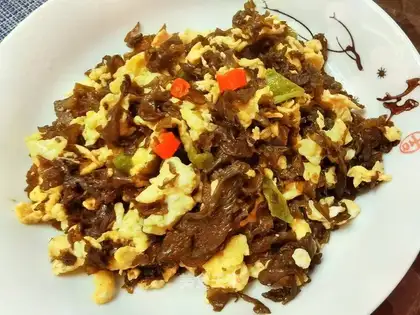
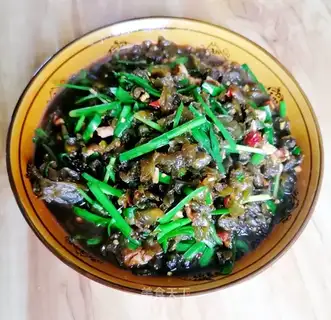
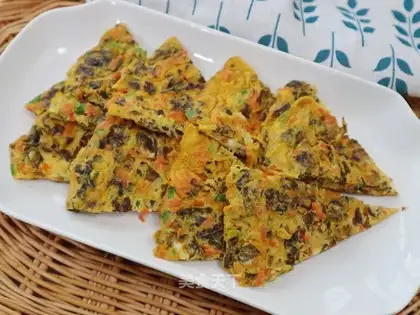
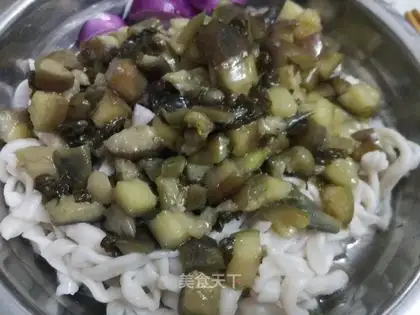
Nostoc commune is a remarkable example of nature’s ability to thrive in harsh environments while offering profound benefits to human health. Its dense nutritional profile—rich in complete protein, vitamins, minerals, and antioxidants—makes it a valuable addition to a balanced diet, particularly for vegetarians, individuals with metabolic disorders, or those seeking natural anti-inflammatory and immune-boosting remedies. Its culinary versatility, from stir-fries to soups, further enhances its appeal as a functional food.
However, as with any wild or specialty ingredient, caution is key. Contamination risks, digestive discomfort, and potential drug interactions necessitate careful sourcing, moderate consumption, and awareness of individual health conditions. When used responsibly, Nostoc commune can bridge the gap between traditional wisdom and modern nutrition, offering a sustainable and nutrient-dense solution to some of today’s most pressing health challenges. As research continues to uncover its full potential, this humble “ground moss” may well emerge as a cornerstone of future functional foods and natural medicine.