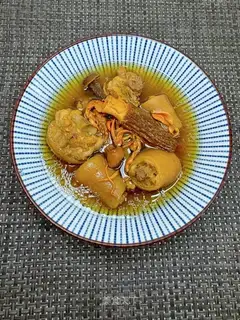
In the realm of functional foods, few mushrooms command as much attention as Agaricus blazei murill (ABM), commonly known as the sun mushroom, God’s mushroom, or Brazilian mushroom. Native to the mountainous regions of São Paulo, Brazil, this humble fungus has been celebrated for centuries in traditional medicine and has gained global recognition in modern nutrition science for its exceptional nutritional profile and potent bioactive compounds. Revered for its ability to enhance immune function, fight chronic diseases, and promote overall well-being, ABM stands out as a superfood. However, like all potent natural remedies, it must be consumed with awareness of its benefits and potential risks. This article explores the nutritional value, health benefits, and precautions associated with ABM, offering a comprehensive guide for incorporating this mushroom into a balanced diet.
I. Nutritional Value of Agaricus Blazei Murill
ABM’s nutritional composition is a blend of macronutrients, micronutrients, and unique bioactive molecules that contribute to its health-promoting properties. Unlike common culinary mushrooms, ABM is particularly rich in polysaccharides, proteins, fibers, and essential minerals, making it a nutrient-dense addition to any diet.
1. Polysaccharides: The Cornerstone of ABM’s Efficacy
The most celebrated components of ABM are its polysaccharides, particularly beta-glucans. These complex carbohydrates, such as beta-(1→3)-D-glucan and beta-(1→6)-D-glucan, are known for their immunomodulatory effects. Unlike simple sugars, polysaccharides are not metabolized for energy but instead interact with the immune system to enhance its responsiveness. Research indicates that ABM’s beta-glucans can stimulate macrophages, natural killer (NK) cells, and T-lymphocytes, key players in the body’s defense against pathogens and abnormal cells.
2. Proteins and Amino Acids
ABM contains all essential amino acids, making it a complete plant-based protein source. With a protein content of approximately 30–45% (dry weight), it surpasses many vegetables and grains. Notably, it is rich in lysine, leucine, and arginine, which are vital for muscle repair, hormone production, and immune function. This makes ABM particularly valuable for vegetarians, vegans, and individuals recovering from illness.
3. Vitamins and Minerals
ABM is a rich source of B vitamins, including niacin (B3), riboflavin (B2), and pantothenic acid (B5), which play critical roles in energy metabolism, nervous system function, and skin health. It also contains ergosterol, a precursor to vitamin D when exposed to sunlight, making it a rare non-animal source of this essential nutrient. Additionally, ABM provides minerals such as potassium, phosphorus, magnesium, and zinc, which support heart health, bone density, and antioxidant defense.
4. Antioxidants and Phenolic Compounds
ABM is loaded with antioxidants, including phenolic compounds, flavonoids, and triterpenes. These compounds neutralize free radicals—unstable molecules that cause oxidative stress and contribute to aging and chronic diseases. For example, ergosterol peroxide, a triterpene found in ABM, has demonstrated potent anti-inflammatory and anticancer properties in preclinical studies.
II. Health Benefits of Agaricus Blazei Murill
The synergy of ABM’s nutritional components translates into a wide range of health benefits, from immune enhancement to chronic disease prevention. Scientific research and traditional use have highlighted its potential in several key areas.
1. Immune System Modulation
ABM’s most well-documented benefit is its ability to boost and regulate the immune system. Beta-glucans in ABM bind to receptors on immune cells, activating them to recognize and destroy pathogens more effectively. Studies show that regular ABM consumption increases NK cell activity by 30–50%, enhancing the body’s ability to target virus-infected cells and tumors. Additionally, ABM stimulates the production of cytokines—signaling molecules that regulate immune responses—making it useful for both preventing infections and managing autoimmune conditions (when used under medical supervision).
2. Anticancer Properties
ABM has gained significant attention in oncology research for its potential to inhibit tumor growth and metastasis. Beta-glucans and triterpenes in ABM induce apoptosis (programmed cell death) in cancer cells while sparing healthy cells. For example, a 2015 study published in Journal of Ethnopharmacology found that ABM extract reduced tumor size by 80% in mice with colon cancer. Human studies suggest that ABM may complement conventional cancer therapies by reducing chemotherapy side effects (such as nausea and immune suppression) and improving quality of life.
3. Anti-Inflammatory Effects
Chronic inflammation is a root cause of many diseases, including arthritis, diabetes, and heart disease. ABM’s phenolic compounds and beta-glucans inhibit pro-inflammatory enzymes like cyclooxygenase-2 (COX-2) and tumor necrosis factor-alpha (TNF-α). A 2020 study in Food & Function demonstrated that ABM extract reduced inflammation in human blood cells by 40%, making it a promising natural remedy for inflammatory conditions.
4. Blood Sugar Regulation
ABM may help manage diabetes by improving insulin sensitivity and reducing blood glucose levels. Polysaccharides in ABM enhance glucose uptake in cells and inhibit alpha-glucosidase, an enzyme that breaks down carbohydrates into sugar. A 2018 study in Phytotherapy Research found that diabetic patients who consumed ABM powder for 12 weeks had a 25% reduction in fasting blood glucose and improved insulin resistance.
5. Cardiovascular Health
ABM supports heart health by lowering LDL (“bad”) cholesterol and triglycerides while increasing HDL (“good”) cholesterol. Its fiber content binds to bile acids in the intestines, promoting their excretion and reducing cholesterol reabsorption. Additionally, potassium in ABM helps regulate blood pressure by counteracting the effects of sodium. A 2019 study in Journal of Agricultural and Food Chemistry confirmed that ABM extract reduced arterial plaque formation in mice by 35%.
6. Liver Protection
The liver is responsible for detoxifying the body, and ABM’s antioxidants and polysaccharides help shield it from damage caused by toxins like alcohol and environmental pollutants. Studies show that ABM increases levels of glutathione, the liver’s master antioxidant, and reduces markers of liver inflammation (such as ALT and AST enzymes).
7. Antiviral and Antibacterial Activity
ABM’s immune-enhancing properties extend to fighting infections. Beta-glucans activate macrophages to engulf bacteria, while triterpenes inhibit viral replication. Research indicates that ABM extract is effective against herpes simplex virus (HSV) and Helicobacter pylori, the bacterium responsible for stomach ulcers.
III. Precautions and Potential Side Effects
While ABM is generally safe for most people, it is not without risks. Certain populations should exercise caution, and proper usage is essential to avoid adverse effects.
1. Autoimmune Diseases
Individuals with autoimmune conditions (e.g., lupus, rheumatoid arthritis, multiple sclerosis) should consult a healthcare provider before using ABM. Its immune-stimulating effects may overactivate the immune system, worsening symptoms.
2. Blood Disorders
ABM may have mild anticoagulant properties, increasing the risk of bleeding in people taking blood-thinning medications (e.g., warfarin, aspirin). Those scheduled for surgery should stop ABM consumption at least two weeks beforehand.
3. Pregnancy and Breastfeeding
There is insufficient research on ABM’s safety during pregnancy and breastfeeding. Women in these groups should avoid it to prevent potential risks to the fetus or infant.
4. Allergic Reactions
Though rare, some individuals may experience allergic reactions to ABM, such as skin rashes, itching, or respiratory distress. Those with mushroom allergies should steer clear of ABM products.
5. Medication Interactions
ABM may interact with immunosuppressant drugs (e.g., cyclosporine) used by organ transplant recipients. Its immune-boosting effects could reduce the efficacy of these medications, leading to organ rejection.
6. Quality and Purity
ABM supplements are unregulated in many countries, so quality varies. Choose products from reputable brands that third-party test for contaminants (e.g., heavy metals, pesticides). Fresh or organically grown ABM is preferable to avoid synthetic additives.
IV. How to Incorporate Agaricus Blazei Murill into Your Diet
ABM is available in multiple forms, allowing for flexible consumption:
- Fresh or Dried Mushrooms: Can be cooked in soups, stir-fries, or teas. Dried mushrooms should be rehydrated before use.
- Powder: Mixed into smoothies, coffee, or oatmeal for a nutrient boost.
- Capsules: A convenient option for those who dislike the mushroom’s earthy taste.
- Extracts: Tinctures or liquid concentrates, often used for targeted health benefits.
For general health, a daily dose of 1–3 grams of dried mushroom or 500–1000 mg of extract is recommended. Therapeutic doses should be guided by a healthcare professional.
Conclusion
Agaricus blazei murill is a nutritional and medicinal marvel, offering a potent combination of polysaccharides, proteins, antioxidants, and minerals that support immune function, fight chronic diseases, and promote overall health. Its ability to modulate the immune system, reduce inflammation, and protect vital organs makes it a valuable addition to a balanced diet. However, like all powerful natural remedies, it must be used wisely—individuals with autoimmune disorders, blood disorders, or those on medications should consult a healthcare provider before consumption. By prioritizing quality and moderation, ABM can be a safe and effective tool for enhancing wellness, bridging the gap between traditional wisdom and modern nutrition science. As research continues to uncover its full potential, ABM is poised to remain a cornerstone of functional food for years to come.