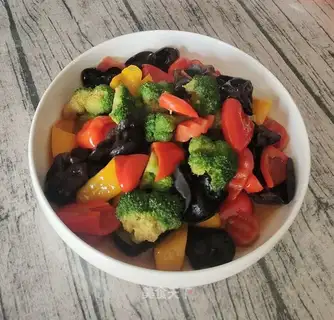
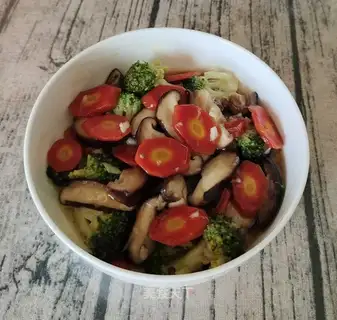
Broccoli, often dubbed the "crown jewel of cruciferous vegetables," has long been celebrated as a nutritional powerhouse. Its vibrant green florets, resembling miniature trees, are not only visually appealing but also packed with an impressive array of vitamins, minerals, antioxidants, and bioactive compounds. As a staple in health-conscious diets worldwide, broccoli has garnered extensive scientific attention for its potential to prevent chronic diseases, support immune function, and promote overall well-being. This article delves into the nutritional profile of broccoli, its diverse health benefits, and important precautions to consider when incorporating it into your diet.
I. Nutritional Profile: Why Broccoli Stands Out
Broccoli belongs to the Brassicaceae family, alongside kale, cauliflower, and Brussels sprouts. What sets it apart is its exceptional nutrient density, offering a high concentration of essential vitamins and minerals with minimal calories. A 100-gram serving of raw broccoli (approximately 1.5 cups) provides:
- Vitamins:
- Vitamin C: A single serving contains over 100% of the daily recommended intake (DRI), more than an orange. Vitamin C is a potent antioxidant that boosts immune function, aids collagen synthesis, and enhances iron absorption.
- Vitamin K: Crucial for blood clotting and bone health, broccoli provides about 117% of the DRI. Vitamin K also plays a role in regulating calcium deposition in bones, reducing fracture risk.
- Folate (Vitamin B9): Essential for DNA synthesis, cell division, and fetal development, broccoli offers 10–15% of the DRI per serving. Adequate folate intake is particularly important during pregnancy to prevent neural tube defects.
- Vitamin A (as beta-carotene): Converted into vitamin A in the body, beta-carotene supports vision, immune health, and skin integrity.
- Minerals:
- Potassium: Regulates blood pressure, fluid balance, and muscle function. Broccoli’s potassium content (316 mg per 100g) helps counteract the effects of sodium, reducing hypertension risk.
- Iron: Though not as high as in animal products, broccoli’s non-heme iron is enhanced by its vitamin C content, improving absorption. Iron is vital for oxygen transport and energy production.
- Calcium: Supports bone and teeth health, with broccoli providing 47 mg per 100g—modest but beneficial, especially for those avoiding dairy.
- Selenium: A trace mineral with antioxidant properties, broccoli absorbs selenium from soil, contributing to thyroid function and DNA repair.
- Fiber and Bioactive Compounds:
- Dietary Fiber: Broccoli contains 2.6 grams of fiber per 100g, promoting digestive health, satiety, and stable blood sugar levels. The fiber in broccoli also acts as a prebiotic, feeding beneficial gut bacteria.
- Sulforaphane: A sulfur-containing compound formed when broccoli is chopped or chewed, sulforaphane is renowned for its anti-inflammatory, anticancer, and detoxification properties. It activates the Nrf2 pathway, which upregulates antioxidant enzymes.
- Glucosinolates: These sulfur compounds, including glucoraphanin and indole-3-carbinol, break down into bioactive molecules that may protect against cancer by inhibiting tumor growth and promoting apoptosis (programmed cell death).
II. Health Benefits: Backed by Science
The nutrients in broccoli synergize to deliver a multitude of health benefits, making it a valuable ally in disease prevention and health optimization.
1. Cancer Prevention
Broccoli is most celebrated for its potential role in cancer prevention. Sulforaphane and glucosinolates have been extensively studied for their ability to combat carcinogens (cancer-causing agents). Research suggests these compounds may:
- Inhibit the proliferation of cancer cells, particularly in breast, prostate, colon, and lung cancers.
- Detoxify carcinogens by enhancing phase II enzyme activity in the liver, facilitating their elimination.
- Reduce inflammation, a key driver of cancer development, by suppressing pro-inflammatory cytokines like NF-κB.
A 2020 study in Journal of Nutritional Biochemistry found that sulforaphane suppressed the growth of breast cancer stem cells, while population studies link higher cruciferous vegetable intake to a 15–20% reduced risk of colorectal cancer.
2. Heart Health
Broccoli’s fiber, potassium, and antioxidants work together to support cardiovascular health:
- Lower Cholesterol: Soluble fiber binds to bile acids in the gut, reducing their reabsorption and forcing the body to use LDL ("bad") cholesterol to produce new bile acids, thereby lowering blood cholesterol levels.
- Blood Pressure Regulation: Potassium counteracts the hypertensive effects of sodium, while flavonoids (such as quercetin) improve endothelial function, promoting vasodilation and reducing blood pressure.
- Anti-Inflammatory Effects: Chronic inflammation is a major contributor to atherosclerosis (hardening of the arteries). Broccoli’s antioxidants, including vitamin C and sulforaphane, reduce oxidative stress and inflammation in blood vessels.
3. Digestive Health
The fiber and water content in broccoli promote regular bowel movements and prevent constipation. Moreover, its prebiotic fibers (such as inulin) feed beneficial gut bacteria like Bifidobacterium and Lactobacillus, which:
- Enhance gut barrier function, reducing leaky gut (a condition linked to inflammation and autoimmune diseases).
- Produce short-chain fatty acids (SCFAs) like butyrate, which nourish colon cells and reduce inflammation.
Studies suggest that regular cruciferous vegetable intake may lower the risk of colorectal cancer by up to 18%, partly due to these gut-health benefits.
4. Blood Sugar Control
Broccoli is a low-glycemic index (GI) food, meaning it causes a slow, gradual rise in blood sugar—ideal for diabetes management. Its fiber slows carbohydrate digestion, preventing blood sugar spikes, while sulforaphane has been shown to improve insulin sensitivity. A 2017 study in Science Translational Medicine found that sulforaphane helped reduce blood glucose levels in patients with type 2 diabetes by activating Nrf2 pathways, which protect pancreatic beta cells.
5. Bone and Joint Health
Broccoli’s vitamin K and calcium content are critical for bone density. Vitamin K activates osteocalcin, a protein that binds calcium to bones, reducing fracture risk. Additionally, sulforaphane may protect cartilage from degradation by inhibiting enzymes that break down collagen, potentially easing symptoms of osteoarthritis.
6. Brain Health and Aging
The antioxidants in broccoli combat oxidative stress, a key factor in age-related cognitive decline. Sulforaphane also crosses the blood-brain barrier, where it may:
- Reduce neuroinflammation, linked to Alzheimer’s and Parkinson’s diseases.
- Enhance detoxification pathways in the brain, removing toxins like beta-amyloid plaques (associated with Alzheimer’s).
- Boost acetylcholine levels, a neurotransmitter important for memory and learning.
Animal studies suggest sulforaphane can improve cognitive function, though human trials are ongoing.
III. Precautions and Potential Side Effects
While broccoli is exceptionally healthy, certain precautions are necessary to maximize its benefits and avoid adverse effects.
1. Goiter Risk (Thyroid Dysfunction)
Broccoli contains goitrogens—compounds that can interfere with thyroid function by inhibiting iodine uptake, particularly in individuals with pre-existing iodine deficiency. Cooking significantly reduces goitrogen levels, so individuals with hypothyroidism should consume broccoli cooked rather than raw. However, moderate intake (1–2 servings per week) is generally safe for most people.
2. Digestive Discomfort
Broccoli’s high fiber and FODMAPs (fermentable oligosaccharides, disaccharides, monosaccharides, and polyols) may cause bloating, gas, or diarrhea in sensitive individuals, especially those with irritable bowel syndrome (IBS). Cooking broccoli breaks down some FODMAPs, making it easier to digest. Starting with small portions and gradually increasing intake can also help tolerance.
3. Blood Thinning
Broccoli’s high vitamin K content can interfere with blood-thinning medications like warfarin, which work by blocking vitamin K’s clotting effects. Consistency in vitamin K intake is key for individuals on such medications—sudden increases or decreases can alter medication efficacy. Those on warfarin should maintain a stable broccoli intake and consult their doctor or dietitian.
4. Pesticide Residues
Conventionally grown broccoli may contain pesticide residues. To minimize exposure, opt for organic broccoli when possible, or wash thoroughly under running water (or use a vinegar-water solution) to remove surface residues.
5. Allergic Reactions
While rare, some individuals may be allergic to broccoli, experiencing symptoms like itching, hives, or swelling. Those with a known allergy to other cruciferous vegetables (e.g., cabbage, cauliflower) should exercise caution.
IV. How to Incorporate Broccoli into Your Diet
To reap broccoli’s benefits, aim for 2–3 servings per week. Here are versatile ways to enjoy it:
- Raw: Add to salads, smoothies, or as a crudité with hummus.
- Steamed: Preserves nutrients better than boiling; season with lemon and olive oil.
- Roasted: Toss with garlic and olive oil at 400°F (200°C) for 15–20 minutes until crispy.
- Stir-fried: Quick-cook with other vegetables and a lean protein for a balanced meal.
- Blended: Add to soups, sauces, or mashed cauliflower for a nutrient boost.
Conclusion
Broccoli is a nutritional powerhouse that offers a remarkable array of vitamins, minerals, and bioactive compounds, supporting everything from cancer prevention to heart and brain health. While its benefits are vast, moderation and preparation methods (e.g., cooking for thyroid health) are key to avoiding potential side effects. By incorporating this versatile vegetable into a balanced diet, you can harness its potential to enhance longevity and vitality. As the adage goes, "Eat your broccoli"—your body will thank you.