Osmanthus, with its delicate golden petals and intoxicating fragrance, has long been cherished in Asian cultures as a symbol of purity, elegance, and good fortune. Beyond its ornamental value, this aromatic flower is a versatile ingredient in culinary arts, traditional medicine, and wellness practices. From sweet desserts to savory dishes, osmanthus adds a unique floral note that elevates both flavor and nutrition. However, while its benefits are celebrated, understanding its nutritional profile, health-promoting properties, and potential precautions is essential to harness its full potential safely. This article explores the nutritional value of osmanthus, its diverse health benefits, and important considerations for consumption.
Nutritional Value of Osmanthus
Osmanthus (Osmanthus fragrans), belonging to the Oleaceae family, is rich in bioactive compounds that contribute to its nutritional and therapeutic properties. Though its petals are consumed in small quantities, their concentrated nutrient profile makes them a valuable addition to a balanced diet.
1. Bioactive Compounds
The primary nutritional value of osmanthus lies in its abundance of polyphenols, flavonoids, and terpenoids, which act as potent antioxidants. These compounds help neutralize free radicals, reducing oxidative stress and inflammation in the body. Studies have identified specific flavonoids such as rutin, quercetin, and kaempferol in osmanthus, which contribute to its protective effects against chronic diseases. Additionally, osmanthus contains volatile oils, including compounds like linalool and ionone, responsible for its distinctive aroma and potential calming effects.
2. Vitamins and Minerals
While not a significant source of macronutrients, osmanthus provides trace amounts of vitamins and minerals that support overall health. It contains vitamin C, a powerful antioxidant essential for immune function and skin health, as well as small quantities of vitamin A, which aids vision and cell growth. Minerals such as calcium, potassium, and iron are also present, albeit in minimal amounts, contributing to bone health, electrolyte balance, and oxygen transport.
3. Low in Calories, High in Flavor
Osmanthus petals are exceptionally low in calories, making them an ideal ingredient for those seeking to enhance flavor without adding caloric load. A teaspoon of dried osmanthus flowers contains fewer than 5 calories, making it a guilt-free addition to teas, syrups, and desserts. This characteristic aligns with modern dietary trends focused on natural, low-calorie flavor enhancers.
Health Benefits of Osmanthus
The consumption of osmanthus is linked to a range of health benefits, supported by both traditional medicine and emerging scientific research. Its therapeutic properties stem from its antioxidant, anti-inflammatory, and antimicrobial compounds.
1. Antioxidant and Anti-Inflammatory Effects
The polyphenols and flavonoids in osmanthus are powerful antioxidants that combat oxidative stress, a key contributor to aging and chronic diseases such as heart disease, diabetes, and cancer. By scavenging free radicals, these compounds protect cells from damage and reduce inflammation. A study published in the Journal of Agricultural and Food Chemistry found that osmanthus extract exhibited significant antioxidant activity, comparable to well-known sources like green tea and berries.
2. Respiratory Health Support
In traditional Chinese medicine (TCM), osmanthus is valued for its ability to “moisten the lungs” and relieve respiratory discomfort. Its expectorant properties help alleviate coughs, sore throats, and congestion. The volatile oils in osmanthus may also act as natural decongestants, easing breathing during colds or allergies. A warm osmanthus tea with honey is often recommended to soothe irritated respiratory tract tissues.
3. Digestive Aid
Osmanthus is believed to promote digestive health by stimulating bile secretion and reducing bloating. Its mild carminative properties help alleviate indigestion and gas, making it a popular after-dinner tea in some cultures. Additionally, its antioxidant content may protect the gastric lining from oxidative damage, supporting overall gut health.
4. Skin and Beauty Benefits
The antioxidants in osmanthus, particularly vitamin C and flavonoids, play a vital role in skin health. They help neutralize free radicals caused by UV exposure and pollution, reducing the appearance of wrinkles and promoting a youthful glow. Osmanthus extract is a common ingredient in skincare products for its ability to improve skin elasticity and brightness. When consumed as tea or used in topical applications, it may also help reduce inflammation associated with skin conditions like eczema or acne.
5. Stress Relief and Mood Enhancement
The sweet, soothing aroma of osmanthus has been shown to have anxiolytic (anxiety-reducing) effects. Aromatherapy using osmanthus essential oil can lower cortisol levels, the hormone associated with stress, and promote relaxation. In TCM, osmanthus is also thought to “calm the spirit,” making it a popular ingredient in teas and sachets for improving mood and sleep quality.
6. Cardiovascular Support
Preliminary research suggests that osmanthus may contribute to heart health by reducing cholesterol levels and preventing the oxidation of LDL (bad) cholesterol. Its anti-inflammatory properties also support blood vessel health, potentially lowering the risk of hypertension and atherosclerosis. While more human studies are needed, these findings highlight osmanthus’s potential as a functional food for cardiovascular wellness.
Precautions and Potential Side Effects
While osmanthus is generally safe for most people when consumed in moderation, certain precautions should be observed to avoid adverse effects.
1. Allergic Reactions
Individuals with allergies to plants in the Oleaceae family (such as olive, jasmine, or ash trees) may experience allergic reactions to osmanthus. Symptoms can include skin rashes, itching, or respiratory distress. Those with known plant allergies should consult a healthcare provider before consuming osmanthus products.
2. Pregnancy and Breastfeeding
Pregnant and breastfeeding women should exercise caution when using osmanthus. While culinary amounts are unlikely to cause harm, concentrated extracts or supplements may lack sufficient safety data. It is advisable to limit intake to small quantities of osmanthus tea or food and avoid medicinal doses unless approved by a healthcare professional.
3. Blood Sugar Considerations
Osmanthus itself is low in sugar, but many commercial osmanthus products (e.g., syrups, desserts) contain added sugar, which can affect blood glucose levels. Diabetics or individuals managing blood sugar should opt for unsweetened osmanthus products and monitor their intake.
4. Drug Interactions
Osmanthus may interact with certain medications, particularly blood thinners (e.g., warfarin) due to its potential anticoagulant properties. Additionally, its mild diuretic effect could enhance the action of diuretic medications. Individuals taking prescription drugs should consult their doctor before regular osmanthus consumption.
5. Moderation in Consumption
As with any food, excessive consumption of osmanthus may lead to digestive discomfort, such as nausea or diarrhea. Dried osmanthus petals are potent, and a small amount (1–2 teaspoons per day) is sufficient to enjoy its benefits without overconsumption.
Culinary Uses and Practical Tips
Incorporating osmanthus into the diet is easy, thanks to its versatility. Here are some popular ways to enjoy this fragrant flower:
- Teas: Steamed dried osmanthus petals in hot water for a calming, aromatic tea.
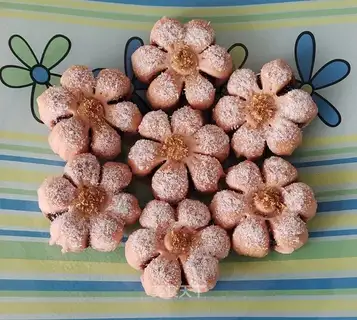
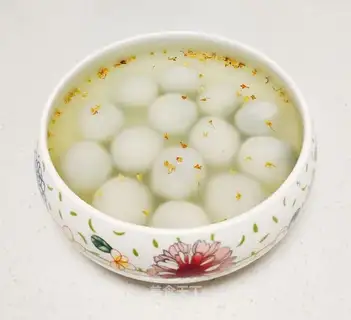
- Desserts: Add osmanthus to sweet soups (e.g., tangyuan), rice puddings, or cakes for a floral note.
- Syrups: Make osmanthus syrup by simmering petals with sugar, then drizzle over pancakes, ice cream, or yogurt.
- Infusions: Infuse osmanthus into vinegar, honey, or alcohol for flavored dressings, marinades, or liqueurs.
- Savory Dishes: In some regional cuisines, osmanthus is used sparingily in meat dishes or broths to balance richness.
Conclusion
Osmanthus is more than just a fragrant flower—it is a nutritional powerhouse with a rich history of culinary and medicinal use. Its high antioxidant content, anti-inflammatory properties, and potential benefits for respiratory, digestive, and skin health make it a valuable addition to a healthy diet. However, like all natural ingredients, it should be consumed mindfully, with attention to allergies, pregnancy, and medication interactions. When used in moderation, osmanthus can enhance both the flavor and nutritional profile of meals, offering a delightful way to promote wellness. As research continues to uncover its therapeutic potential, osmanthus is poised to remain a cherished ingredient for generations to come.