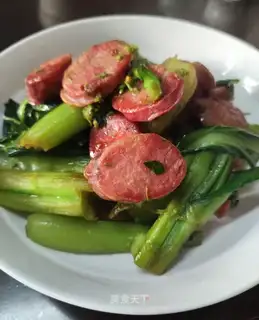
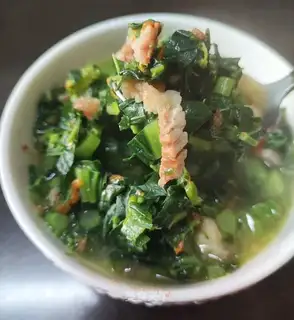
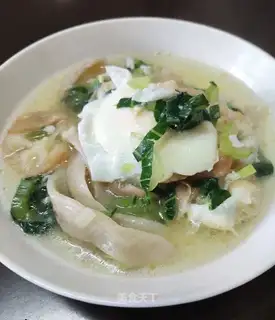
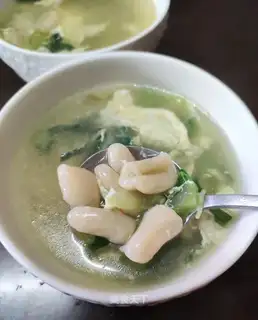
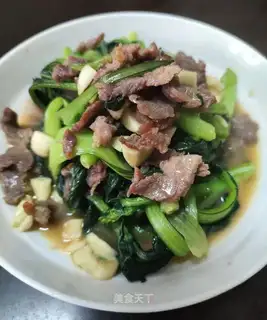
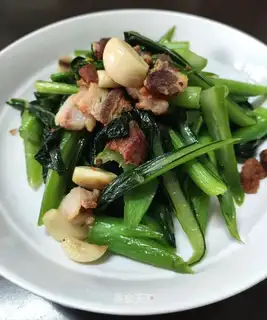
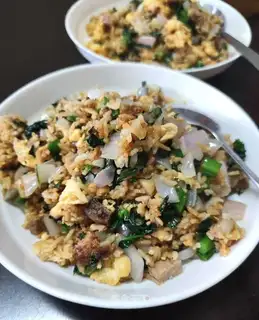
Choy sum, scientifically known as Brassica rapa var. chinensis, is a leafy green vegetable widely cherished in Asian cuisine, particularly in Chinese, Malaysian, and Filipino dishes. Characterized by its tender, dark green leaves, pale stalks, and small, yellow flowers, choy sum (literally "vegetable heart" in Cantonese) is not only prized for its mild, slightly sweet flavor but also celebrated for its impressive nutritional profile and health-promoting properties. As a member of the cruciferous family, which includes broccoli, kale, and cabbage, choy sum offers a wealth of vitamins, minerals, antioxidants, and bioactive compounds that contribute to overall well-being. This article delves into the nutritional value of choy sum, its diverse health benefits, and important considerations for consumption to ensure safe and optimal use.
Nutritional Value of Choy Sum
Choy sum is a low-calorie nutrient-dense food, making it an excellent addition to a balanced diet. A 100-gram serving of raw choy sum contains approximately 22 calories, 2.8 grams of protein, 0.5 grams of fat, and 4.3 grams of carbohydrates, including 2.8 grams of dietary fiber. Its nutritional composition is particularly notable for its high concentration of essential vitamins and minerals, as well as phytochemicals that support various bodily functions.
Vitamins
- Vitamin K: Choy sum is an exceptional source of vitamin K, with 100 grams providing around 259 micrograms (mcg), or over 200% of the daily recommended intake (DRI). Vitamin K plays a critical role in blood clotting and bone metabolism, helping to maintain bone density and reduce fracture risk.
- Vitamin C: A 100-gram serving contains approximately 70 milligrams (mg) of vitamin C, meeting over 75% of the DRI. This powerful antioxidant is essential for immune function, collagen synthesis, and skin health, while also aiding in iron absorption from plant-based sources.
- Vitamin A: Choy sum is rich in beta-carotene, a precursor to vitamin A. 100 grams of the vegetable provides about 4,500 international units (IU) of vitamin A, supporting vision, immune health, and cell growth.
- Folate (Vitamin B9): With 60 mcg per 100 grams, choy sum contributes to folate needs, which are vital for DNA synthesis, cell division, and fetal development during pregnancy.
Minerals
- Calcium: Though not as high as dairy products, choy sum offers 120 mg of calcium per 100 grams, contributing to bone and teeth health. Its vitamin K content enhances calcium absorption, further supporting skeletal strength.
- Iron: Providing 1.8 mg of iron per 100 grams (about 10% of the DRI), choy sum helps prevent iron deficiency anemia. When consumed with vitamin C-rich foods, its iron bioavailability is significantly improved.
- Potassium: With 220 mg per 100 grams, choy sum supports heart health by regulating blood pressure and fluid balance. Potassium also aids in muscle function and nerve signaling.
Phytochemicals and Antioxidants
As a cruciferous vegetable, choy sum contains glucosinolates—sulfur compounds that break down into bioactive molecules like sulforaphane and indole-3-carbinol when the vegetable is chopped or chewed. These compounds have been studied for their anti-inflammatory, anticancer, and detoxifying properties. Additionally, choy sum is rich in flavonoids (such as quercetin) and carotenoids (like lutein and zeaxanthin), which combat oxidative stress and protect cells from damage.
Health Benefits of Choy Sum
The combination of vitamins, minerals, and phytochemicals in choy sum confers a range of health benefits, from boosting immunity to reducing chronic disease risk.
1. Supports Bone Health
Choy sum’s high vitamin K and calcium content makes it a valuable food for bone maintenance. Vitamin K activates osteocalcin, a protein that integrates calcium into bone tissue, while calcium provides the primary mineral for bone structure. Regular consumption may help prevent osteoporosis, especially in postmenopausal women who are at higher risk of bone density loss.
2. Enhances Immune Function
The abundance of vitamin C in choy sum is key to a robust immune system. Vitamin C stimulates the production and activity of white blood cells, which defend against pathogens, and acts as an antioxidant to neutralize free radicals that can weaken immune defenses. Additionally, vitamin A in choy sum supports mucosal immunity, the body’s first line of defense against infections.
3. Promotes Heart Health
Choy sum contributes to cardiovascular health through multiple mechanisms. Its potassium content helps regulate blood pressure by counteracting the effects of sodium, while fiber aids in lowering LDL ("bad") cholesterol levels. The antioxidant sulforaphane in choy sum also reduces inflammation in blood vessels, improving endothelial function and reducing the risk of atherosclerosis.
4. Aids Digestion and Weight Management
With 2.8 grams of fiber per 100 grams, choy sum supports digestive health by promoting regular bowel movements, preventing constipation, and feeding beneficial gut bacteria. Fiber also increases satiety, helping to control appetite and reduce overall calorie intake—making choy sum an ideal food for weight management.
5. May Reduce Cancer Risk
Cruciferous vegetables like choy sum are renowned for their potential anticancer properties. Sulforaphane, a glucosinolate derivative, has been shown to inhibit the growth of cancer cells by inducing apoptosis (programmed cell death) and blocking tumor angiogenesis (the formation of new blood vessels that feed tumors). Studies suggest that regular consumption of cruciferous vegetables may lower the risk of breast, prostate, colon, and lung cancers.
6. Supports Eye Health
Choy sum contains lutein and zeaxanthin, two carotenoids that accumulate in the retina and protect against age-related macular degeneration (AMD) and cataracts. These antioxidants filter harmful blue light and reduce oxidative stress in eye tissues, preserving vision as we age.
7. Detoxification Support
The indole-3-carbinol in choy sum aids in the detoxification process by enhancing the activity of phase II liver enzymes, which neutralize and eliminate toxins from the body. This may reduce the burden of environmental pollutants and carcinogens, lowering the risk of toxin-related diseases.
食用禁忌 (Precautions and Considerations)
While choy sum is highly nutritious, certain precautions should be taken to ensure safe consumption, particularly for individuals with specific health conditions.
1. Goitrogenic Effects
Choy sum, like other cruciferous vegetables, contains goitrogens—compounds that can interfere with thyroid function by inhibiting the uptake of iodine. Individuals with hypothyroidism or iodine deficiency should consume choy sum in moderation (no more than 2–3 times per week) and cook it thoroughly to reduce goitrogen levels. Cooking methods like steaming or boiling deactivate most goitrogens, making them less harmful.
2. Blood Thinning and Vitamin K
Choy sum’s high vitamin K content can interact with anticoagulant medications (e.g., warfarin) that work by inhibiting vitamin K-dependent clotting factors. Patients on blood thinners should maintain consistent vitamin K intake to avoid fluctuations in medication efficacy. Consulting a healthcare provider or dietitian is advisable to determine safe portion sizes.
3. Pesticide Residues
Conventionally grown choy sum may contain pesticide residues, which can pose health risks with long-term exposure. To minimize exposure, opt for organic choy sum when possible, or wash thoroughly under running water and soak in a solution of water and vinegar (1:3 ratio) for 15 minutes before consumption.
4. Digestive Discomfort
While fiber is beneficial for digestion, excessive consumption of choy sum may cause bloating, gas, or diarrhea in sensitive individuals, particularly those with irritable bowel syndrome (IBS). Starting with small portions and gradually increasing intake can help the digestive system adapt.
5. Allergic Reactions
Though rare, some individuals may be allergic to choy sum, experiencing symptoms such as itching, swelling, or difficulty breathing. Those with known allergies to cruciferous vegetables should avoid choy sum or consume it under medical supervision.
Conclusion
Choy sum is a nutritional powerhouse that offers a wide array of health benefits, from strengthening bones and boosting immunity to reducing cancer risk and supporting heart health. Its low calorie, high fiber, and rich vitamin and mineral profile make it an excellent choice for individuals seeking to improve their overall well-being. However, moderation and proper preparation are key to avoiding potential side effects, particularly for those with thyroid issues, blood clotting disorders, or pesticide concerns.
Incorporating choy sum into a balanced diet—whether stir-fried, steamed, or added to soups and salads—can enhance both the flavor and nutritional quality of meals. As with any food, listening to your body and consulting healthcare professionals when necessary ensures that you reap the maximum benefits of this versatile and healthful vegetable. By understanding its nutritional value, health advantages, and precautions, you can make informed choices to enjoy choy sum as a staple of a healthy lifestyle.