Garlic chives, known scientifically as Allium tuberosum, are a versatile and widely used vegetable in Asian cuisine, prized for their distinctive garlic-like aroma and tender, vibrant stalks. While often overshadowed by their more famous relatives—such as garlic, onions, or regular chives—garlic chives (called jiu cai in Mandarin) are a nutritional powerhouse, offering a unique blend of vitamins, minerals, and bioactive compounds that support health in multiple ways. This article explores the nutritional profile of garlic chives, their evidence-based health benefits, culinary applications, and important precautions to ensure safe and enjoyable consumption.
Nutritional Profile: A Treasure Trove of Essential Nutrients
Garlic chives are low in calories but rich in nutrients, making them an excellent addition to a balanced diet. A 100-gram serving of fresh garlic chives contains approximately 31 calories, 2.5 grams of protein, 0.7 grams of fat, and 6.9 grams of carbohydrates, including 2.5 grams of dietary fiber. Their true nutritional value lies in their micronutrient and phytochemical content.
Vitamins: Garlic chives are an exceptional source of vitamin K, with 100 grams providing over 200% of the daily recommended intake (DRI). Vitamin K is crucial for blood clotting, bone metabolism, and vascular health, as it helps activate proteins that regulate calcium deposition in bones and prevent arterial calcification. They are also rich in vitamin A, primarily in the form of beta-carotene, which the body converts to retinol—a vital nutrient for vision, immune function, and skin health. Additionally, garlic chives contain significant amounts of vitamin C (a powerful antioxidant), folate (important for DNA synthesis and cell division), and vitamin B6 (involved in metabolism and neurotransmitter production).
Minerals: These green stalks are packed with essential minerals. Manganese stands out, with 100 grams meeting over 20% of the DRI; this mineral acts as a cofactor for enzymes involved in antioxidant defense, bone formation, and carbohydrate metabolism. Garlic chives also provide potassium (for fluid balance and blood pressure regulation), calcium (for bone health), iron (for oxygen transport), and magnesium (for muscle and nerve function).
Phytochemicals: The most compelling health benefits of garlic chives come from their sulfur-containing compounds, particularly allicin, allyl sulfides, and flavonoids like quercetin. These compounds are responsible for the pungent aroma of garlic chives and are studied for their anti-inflammatory, antimicrobial, and antioxidant properties. When garlic chives are chopped or crushed, the enzyme alliinase converts alliin to allicin, a compound with potent biological activity.
Health Benefits: From Immune Support to Chronic Disease Prevention
Regular consumption of garlic chives has been linked to numerous health benefits, backed by both traditional use and modern scientific research.
1. Boosts Immune Function
The combination of vitamin C, vitamin A, and antioxidants in garlic chives strengthens the immune system. Vitamin C stimulates the production and function of white blood cells, which are critical for fighting infections. Vitamin A maintains the integrity of mucosal surfaces (such as the respiratory and digestive tracts), acting as a barrier against pathogens. Additionally, allicin exhibits antimicrobial properties, inhibiting the growth of bacteria, viruses, and fungi. Studies suggest that allicin can disrupt the biofilm formation of Staphylococcus aureus and Escherichia coli, reducing the risk of infections.
2. Supports Heart Health
Garlic chives may play a role in preventing cardiovascular diseases. Allicin and allyl sulfides help lower blood pressure by inhibiting the angiotensin-converting enzyme (ACE), which constricts blood vessels. Potassium, meanwhile, counteracts the effects of sodium by relaxing blood vessel walls, further reducing blood pressure. The flavonoid quercetin in garlic chives also reduces LDL (“bad”) cholesterol oxidation and prevents platelet aggregation, lowering the risk of atherosclerosis and blood clots. A study published in the Journal of Nutrition found that regular consumption of allium vegetables (including garlic chives) was associated with a 22% lower risk of colorectal cancer, partly due to their anti-inflammatory effects on blood vessels.
3. Enhances Bone Density
Garlic chives are a boon for bone health, thanks to their high vitamin K and calcium content. Vitamin K activates osteocalcin, a protein that binds calcium to the bone matrix, increasing bone density and reducing fracture risk. For postmenopausal women, who are at higher risk of osteoporosis due to declining estrogen levels, consuming vitamin K-rich foods like garlic chives may help slow bone loss. A 10-year study in the American Journal of Clinical Nutrition found that individuals with the highest vitamin K intake had a 35% lower risk of hip fractures.
4. Aids Digestion and Gut Health
The fiber in garlic chives promotes digestive health by adding bulk to stool and preventing constipation. Soluble fiber also acts as a prebiotic, feeding beneficial gut bacteria like Lactobacillus and Bifidobacterium, which support a healthy microbiome. Allicin, meanwhile, has been shown to reduce harmful gut bacteria such as Helicobacter pylori, which is linked to gastritis and stomach ulcers. Additionally, garlic chives’ anti-inflammatory properties may alleviate symptoms of inflammatory bowel diseases (IBD) like Crohn’s disease and ulcerative colitis.
5. Regulates Blood Sugar
Garlic chives may help manage blood sugar levels, making them beneficial for individuals with diabetes or prediabetes. Allicin improves insulin sensitivity by enhancing glucose uptake in cells and reducing insulin resistance. A 2020 study in Phytotherapy Research found that diabetic rats fed garlic chive extract had significantly lower fasting blood glucose and HbA1c levels (a marker of long-term blood sugar control) compared to the control group. Fiber also slows carbohydrate digestion, preventing rapid spikes in blood sugar after meals.
6. Provides Anticancer Properties
The sulfur compounds and antioxidants in garlic chives have shown promising anticancer effects in laboratory studies. Allicin induces apoptosis (programmed cell death) in cancer cells, particularly those affecting the colon, stomach, and lungs. Quercetin, another potent antioxidant, inhibits the growth of tumors by blocking angiogenesis (the formation of new blood vessels that feed tumors). While human clinical trials are limited, epidemiological studies suggest that regular consumption of allium vegetables is associated with a reduced risk of several cancers, likely due to their ability to neutralize free radicals and reduce DNA damage.
Culinary Uses: Versatile and Flavorful
Garlic chives are a staple in Asian cooking, where their mild, garlicky flavor adds depth to dishes without overwhelming other ingredients. Unlike regular chives, which have a delicate onion taste, garlic chives have a more robust aroma, making them ideal for both raw and cooked preparations.
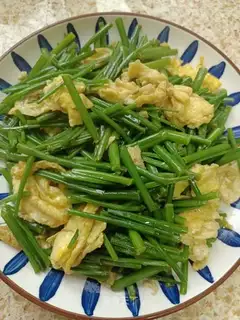
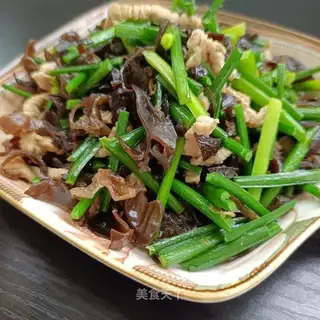
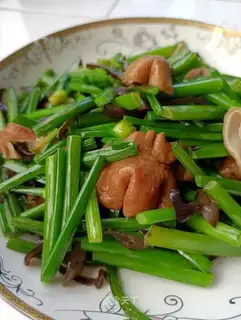
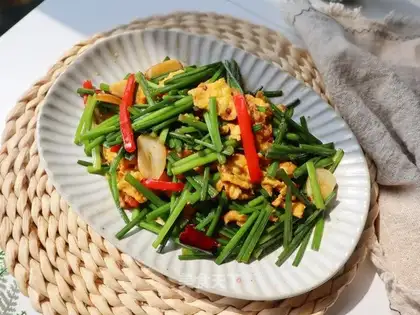
Traditional Dishes: In China, garlic chives are commonly used in stir-fries, such as jiu cai chao dou zi (garlic chives stir-fried with tofu) or jiu cai he zi (garlic chives with pork dumplings). They are also a key ingredient in baozi (steamed buns) and jiaozi (dumplings), where their freshness balances the richness of meat fillings. In Korea, buchu kimchi (garlic chive kimchi) is a popular fermented side dish, while in Japan, nira (garlic chives) is used in miso soup and tempura.
Creative Uses: Beyond traditional recipes, garlic chives can be incorporated into Western dishes. They add flavor to omelets, quiches, and salad dressings. For a twist, try blending them into pesto or mixing them into cream cheese for spreads. Their mild heat also makes them a great garnish for soups, stews, and grilled meats, adding color and aroma without overpowering the dish.
Precautions and Potential Side Effects
While garlic chives are generally safe for most people, there are important precautions to consider:
1. Blood-Thinning Medications
Garlic chives are high in vitamin K, which plays a key role in blood clotting. Individuals taking anticoagulant drugs like warfarin (Coumadin) should consume garlic chives in moderation and maintain consistent intake, as sudden changes in vitamin K levels can interfere with medication efficacy. It is advisable to consult a healthcare provider before adding large amounts of garlic chives to the diet.
2. Digestive Sensitivity
Some people may experience digestive discomfort, such as bloating, gas, or diarrhea, after consuming garlic chives. This is due to their high fiber content and sulfur compounds, which can irritate the digestive tract in sensitive individuals. Cooking garlic chives may reduce these effects, as heat breaks down some of the sulfur compounds.
3. Allergic Reactions
Although rare, allergies to garlic chives can occur, particularly in individuals allergic to other allium vegetables like onions or garlic. Symptoms may include skin rashes, itching, or swelling. Those with known allergies should avoid garlic chives or consult an allergist before consumption.
4. Pregnancy and Breastfeeding
Pregnant and breastfeeding women can safely consume garlic chives in moderation as part of a balanced diet. However, excessive intake should be avoided, as high doses of certain compounds (like allicin) may have uterine stimulant effects. It is best to err on the side of caution and limit consumption to culinary amounts.
Conclusion
Garlic chives are more than just a flavorful herb—they are a nutritional and medicinal powerhouse. Their rich content of vitamins, minerals, and phytochemicals supports immune function, heart health, bone density, digestion, and blood sugar regulation, while their culinary versatility makes them a delightful addition to dishes worldwide. However, like all foods, moderation is key, and individuals with specific health conditions (such as those on blood thinners) should exercise caution. By incorporating garlic chives into a balanced diet, one can enjoy their unique flavor while reaping their numerous health benefits. Whether stir-fried, steamed, or raw, garlic chives are a true superfood that deserves a place in every kitchen.