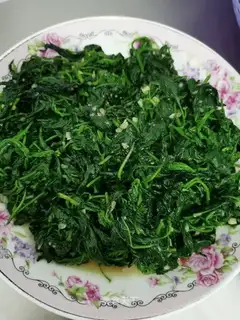
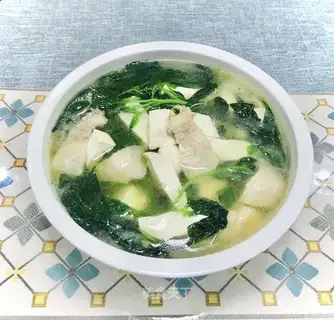
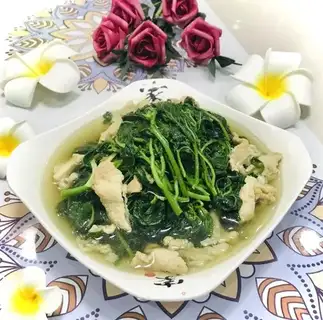
In the realm of underutilized leafy green vegetables, Cleome gynandra, commonly known as whiteflower cabbage, spider flower, or African cabbage, stands out as a nutritional powerhouse with a rich history of traditional use across Africa, Asia, and parts of the Americas. This resilient plant, characterized by its delicate white or purple flowers and pungent leaves, has been a staple in indigenous diets for centuries, valued not only for its unique flavor but also for its remarkable medicinal properties. As global interest in sustainable and nutrient-dense foods grows, whiteflower cabbage is gaining recognition for its impressive nutritional profile, diverse health benefits, and potential role in addressing modern nutritional deficiencies. However, like many traditional foods, it must be consumed with awareness of potential precautions. This article explores the nutritional value, health benefits, and safety considerations of whiteflower cabbage, shedding light on why this humble vegetable deserves a place in contemporary diets.
Nutritional Profile: A Concentrated Source of Essential Nutrients
Whiteflower cabbage is a nutritional treasure trove, offering a dense concentration of vitamins, minerals, antioxidants, and bioactive compounds that contribute to overall health. Its nutritional composition varies slightly based on growing conditions, but its core nutrients remain consistently impressive.
Vitamins: A, C, K, and Folate
One of the most notable aspects of whiteflower cabbage is its exceptional vitamin content. It is particularly rich in vitamin A, primarily in the form of beta-carotene, a precursor to retinol. Vitamin A is crucial for maintaining healthy vision, supporting immune function, and promoting cell growth and differentiation. A 100-gram serving of raw whiteflower cabbage can provide up to 20% of the recommended daily intake (RDI) of vitamin A, making it a valuable plant-based source for individuals at risk of deficiency.
The vegetable is also a powerhouse of vitamin C, an antioxidant that plays a key role in collagen synthesis, wound healing, and immune defense. Vitamin C enhances iron absorption from plant-based foods, which is particularly beneficial for vegetarians and vegans. With approximately 80 mg of vitamin C per 100 grams—exceeding the RDI for adults—whiteflower cabbage outperforms many common leafy greens like spinach and lettuce.
Vitamin K, essential for blood clotting and bone metabolism, is another standout nutrient. Whiteflower cabbage contains about 120 micrograms of vitamin K per 100 grams, meeting nearly 100% of the RDI. This makes it an important food for bone health, especially for older adults at risk of osteoporosis. Additionally, it is a good source of folate (vitamin B9), a critical nutrient for DNA synthesis, cell division, and fetal development. Pregnant women, in particular, benefit from folate-rich foods to prevent neural tube defects in newborns.
Minerals: Calcium, Iron, and Potassium
Whiteflower cabbage is a rich source of essential minerals that are often lacking in modern diets. It is particularly high in calcium, with around 200 mg per 100 grams—comparable to dairy products like milk. Calcium is vital for bone and teeth health, muscle function, and nerve signaling. For individuals lactose intolerant or following a vegan diet, whiteflower cabbage offers a valuable plant-based calcium alternative.
The vegetable is also an excellent source of iron, a mineral necessary for oxygen transport in the blood and energy production. While plant-based iron (non-heme iron) is less easily absorbed than heme iron from animal sources, the vitamin C in whiteflower cabbage enhances its bioavailability, making it an effective iron booster. This is particularly important for preventing iron-deficiency anemia, a common global health concern.
Potassium, another key mineral, is abundant in whiteflower cabbage, with approximately 300 mg per 100 grams. Potassium helps regulate blood pressure, fluid balance, and muscle contractions. A diet rich in potassium is associated with a lower risk of hypertension and cardiovascular disease, making whiteflower cabbage a heart-healthy choice.
Antioxidants and Bioactive Compounds
Beyond vitamins and minerals, whiteflower cabbage is packed with antioxidants and bioactive compounds that combat oxidative stress and inflammation. It contains flavonoids, such as quercetin and kaempferol, which have anti-inflammatory, antimicrobial, and anticancer properties. These compounds neutralize free radicals, reducing the risk of chronic diseases like cancer, diabetes, and neurodegenerative disorders.
The vegetable also boasts glucosinolates, sulfur-containing compounds unique to cruciferous vegetables (though whiteflower cabbage belongs to the Cleomaceae family, it shares similar phytochemistry with broccoli and kale). When chewed or digested, glucosinolates break down into bioactive compounds like isothiocyanates, which have been shown to inhibit the growth of cancer cells, support detoxification pathways, and reduce inflammation.
Health Benefits: From Traditional Medicine to Modern Wellness
The consumption of whiteflower cabbage is linked to a wide range of health benefits, many of which have been validated by scientific research. Its combination of nutrients and bioactive compounds makes it a valuable ally in preventing and managing chronic diseases.
1. Anti-inflammatory and Anticancer Properties
Chronic inflammation is a root cause of many diseases, including cancer, diabetes, and heart disease. Whiteflower cabbage’s high concentration of flavonoids and isothiocyanates gives it potent anti-inflammatory effects. Studies have shown that these compounds inhibit the production of pro-inflammatory cytokines (signaling molecules) and reduce oxidative stress in cells.
In terms of cancer prevention, isothiocyanates derived from glucosinolates have been extensively studied for their ability to inhibit tumor growth and metastasis. They work by inducing apoptosis (programmed cell death) in cancer cells, blocking angiogenesis (the formation of new blood vessels that feed tumors), and detoxifying carcinogens. While most research has focused on cruciferous vegetables like broccoli, preliminary studies on whiteflower cabbage suggest similar anticancer potential, particularly against breast, colon, and liver cancer.
2. Immune System Support
A robust immune system is essential for fighting infections and maintaining overall health. Whiteflower cabbage’s high vitamin C content stimulates the production and function of white blood cells, which are the body’s primary defense against pathogens. Additionally, its vitamin A supports the integrity of mucosal surfaces (such as the respiratory and gastrointestinal tracts), acting as a physical barrier against pathogens.
The zinc and selenium content in whiteflower cabbage further enhances immune function. Zinc is critical for immune cell development and communication, while selenium acts as an antioxidant that protects immune cells from oxidative damage. Together, these nutrients make whiteflower cabbage a valuable food for strengthening immunity, especially during cold and flu season.
3. Bone and Dental Health
The combination of calcium, vitamin K, and phosphorus in whiteflower cabbage makes it exceptional for bone health. Calcium provides the structural framework of bones, while vitamin K ensures proper calcium deposition in bone tissue, reducing the risk of fractures and osteoporosis. Phosphorus, another key mineral, works synergistically with calcium to maintain bone density.
For dental health, the calcium and vitamin C content play a dual role. Calcium strengthens tooth enamel, while vitamin C supports gum health by promoting collagen synthesis and preventing gum disease. Additionally, the vegetable’s mild abrasive texture can help clean teeth naturally when consumed raw.
4. Diabetes Management
Whiteflower cabbage is a low-glycemic index (GI) food, meaning it does not cause rapid spikes in blood sugar levels. Its high fiber content slows down carbohydrate digestion and absorption, helping to regulate blood sugar levels. This is particularly beneficial for individuals with diabetes or those at risk of developing the condition.
Furthermore, the antioxidant compounds in whiteflower cabbage improve insulin sensitivity, allowing cells to use glucose more efficiently. A study published in the Journal of Ethnopharmacology found that extracts of whiteflower cabbage reduced blood glucose levels in diabetic rats, suggesting its potential as a natural adjunct therapy for diabetes management.
5. Digestive Health
Fiber is essential for maintaining a healthy digestive system, and whiteflower cabbage is an excellent source of both soluble and insoluble fiber. Soluble fiber forms a gel-like substance in the gut, which slows digestion and promotes feelings of fullness, aiding in weight management. Insoluble fiber, on the other hand, adds bulk to stool and prevents constipation by promoting regular bowel movements.
Additionally, the vegetable’s glucosinolates support gut health by promoting the growth of beneficial gut bacteria. These compounds act as prebiotics, nourishing probiotics like Lactobacillus and Bifidobacterium, which play a key role in immune function, nutrient absorption, and inflammation reduction.
食用禁忌 (Precautions and Safety Considerations)
While whiteflower cabbage offers numerous health benefits, it is important to consume it in moderation and with awareness of potential risks, particularly for certain populations.
1. Goitrogenic Effects
Like other cruciferous vegetables, whiteflower cabbage contains goitrogens, compounds that can interfere with thyroid function by inhibiting the uptake of iodine. In individuals with pre-existing thyroid conditions (such as hypothyroidism or goiter), excessive consumption of raw whiteflower cabbage may exacerbate thyroid dysfunction. Cooking the vegetable significantly reduces its goitrogenic content, making it safer for those with thyroid issues.
2. Oxalate Content
Whiteflower cabbage contains moderate levels of oxalates, naturally occurring compounds that can bind to calcium and form kidney stones in susceptible individuals. People with a history of kidney stones or oxalate-related kidney disorders should limit their intake of raw whiteflower cabbage and ensure adequate hydration. Cooking the vegetable can also reduce oxalate levels.
3. Pesticide Residues
As a leafy green vegetable, whiteflower cabbage may accumulate pesticide residues if grown conventionally. To minimize exposure, it is advisable to choose organic or locally sourced produce, and to wash the leaves thoroughly before consumption. Soaking the leaves in water with a small amount of vinegar or salt can help remove dirt and pesticide residues.
4. Pregnancy and Breastfeeding
While whiteflower cabbage is a rich source of folate and other beneficial nutrients, pregnant women should consume it in moderation. The goitrogenic effects of raw leaves may pose a risk to fetal thyroid development if consumed in large quantities. Cooking the vegetable and limiting intake to 2–3 servings per week is recommended during pregnancy.
5. Drug Interactions
The high vitamin K content in whiteflower cabbage may interact with blood-thinning medications such as warfarin. Vitamin K promotes blood clotting, and sudden changes in its intake can affect the efficacy of anticoagulant drugs. Individuals taking such medications should maintain consistent vitamin K intake and consult their healthcare provider before significantly increasing their consumption of whiteflower cabbage.
Conclusion: Embracing Whiteflower cabbage for a Healthier Future
Whiteflower cabbage is a nutritional and medicinal gem that has been overlooked in mainstream diets for too long. Its impressive array of vitamins, minerals, antioxidants, and bioactive compounds makes it a valuable food for preventing chronic diseases, supporting immune function, and promoting overall health. From its anti-inflammatory and anticancer properties to its role in bone health and diabetes management, this humble vegetable offers a natural and sustainable solution to many modern health challenges.
However, like all foods, whiteflower cabbage should be consumed mindfully. By understanding its potential risks—such as goitrogenic effects and oxalate content—and taking appropriate precautions, individuals can safely incorporate it into their diets. Whether eaten raw in salads, sautéed as a side dish, or blended into smoothies, whiteflower cabbage is a versatile and delicious way to enhance nutritional intake.
As the world shifts toward more sustainable and plant-based eating, traditional foods like whiteflower cabbage are gaining renewed attention. By embracing these nutrient-dense crops, we not only improve our own health but also support agricultural biodiversity and local food systems. In the end, whiteflower cabbage is more than just a vegetable—it is a testament to the power of nature to nourish and heal.