Korean sauce soup
By VicentaLakin
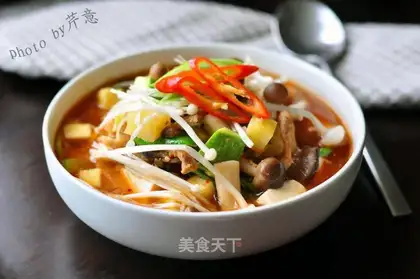
The soup is mainly made of Korean sauce, which throws meat, vegetables, tofu, seafood, etc., into the stone pot, which is the main sauce, slowly boils the smell of the sauce, is easy to operate, tastes delicious and eats。
Recipe Recommendations
- pork loin 90g
- tofu 200g
- zucchini 1 segment
- potatoes one
- Flammulina velutipes appropriate amount
- beech mushroom appropriate amount
- green pepper appropriate amount
- red pepper appropriate amount
- green onions 1 section
- chili powder 1 teaspoon
- Korean chili sauce 1 teaspoon
- Korean sauce 3 tablespoons
- taomi water appropriate amount
- dried mushrooms 3 flowers
- soy sauce 1/2 teaspoon
- diced green onion 1 teaspoon
- minced garlic 1/2 teaspoon
- crushed sesame seeds a little
- pepper a little
- sesame oil 1 teaspoon
- medium spice
- cook
- ten minutes
- simple
Steps for Korean sauce soup

1
After the rice has been washed, an appropriate amount of water has been added, the hands have been rinsed to the water and the water has been poured out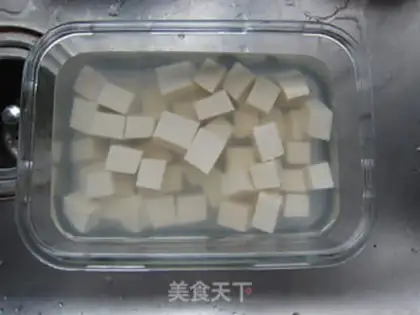
2
tofu is cut into 1 cm square, immersed in light salt water for 15 minutes, and the asphalt is provided for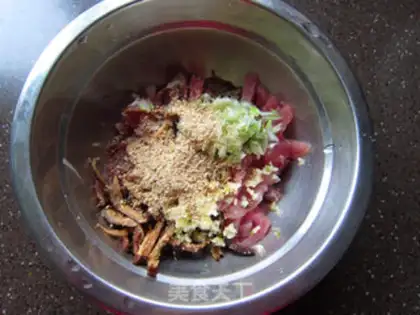
3
(a) Piggy ridges cut wide, lacerated into thick mushrooms and all pickled meat, evenly caught and made for 15 minutes
4
(a) Cucumberedine
5
- Potato chertin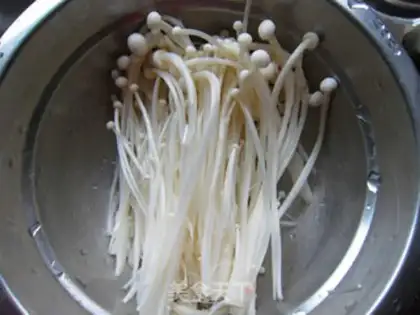
6
Fresh mushrooms are washed and dry water is provided
7
Onions, red peppers slash into little bits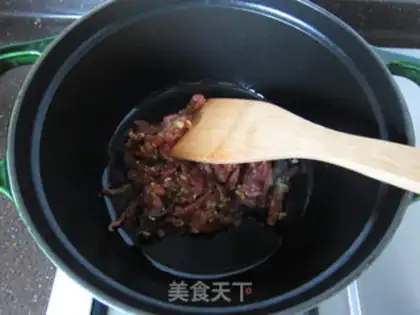
8
Picking up pots, adding a little bit of edible oil, and pouring down rinded raisins and mushrooms till the fragrance becomes white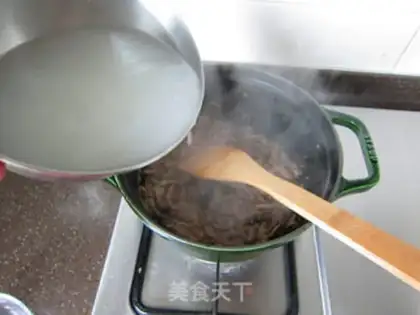
9
I'm going to go to the water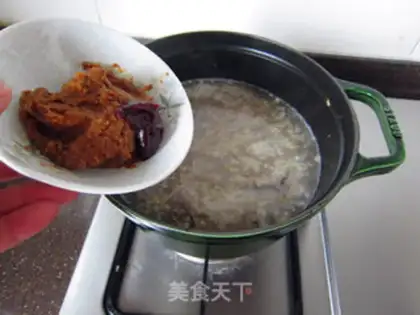
10
It's just that it's not a good idea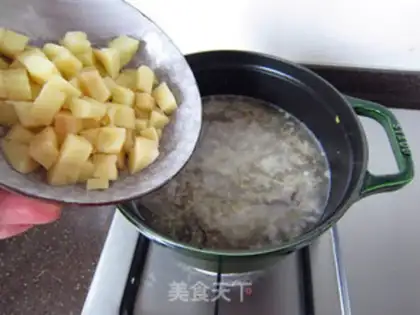
11
Add potatoes at the same time12
I've been cooking until the sauce's gone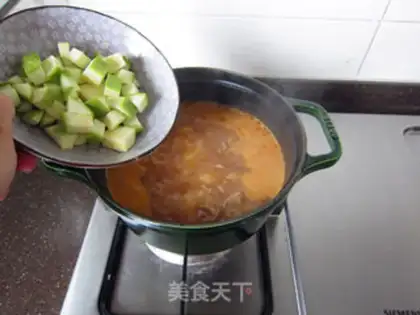
13
The fire boiled until the potatoes were ripe for about 4 or 5 minutes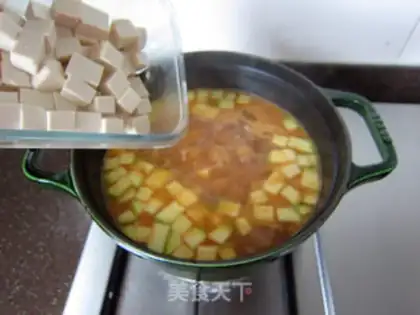
14
And soy-curd and smelt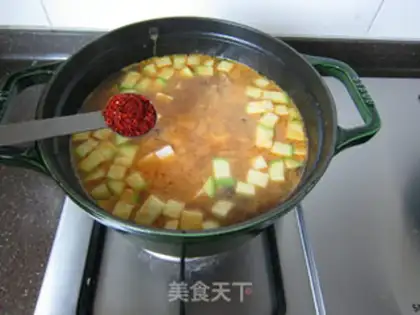
15
Once boiled again, the powder went down, the smell of soy sauce slowly turned into the fire, and it started to float into tofu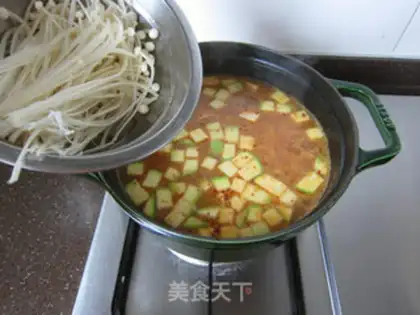
16
Gold needle mushrooms and other fresh mushrooms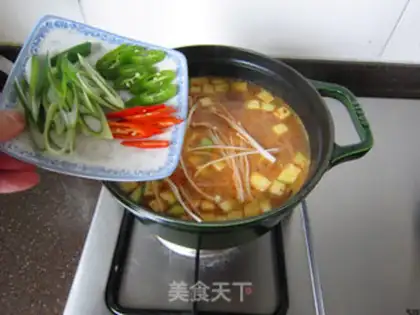
17
Once boiled again, the onions and peppers were added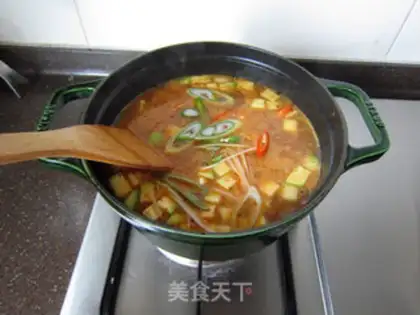
18
Smash it evenly, just boil it. Taste it, it's too light for salt。Korean sauce soup Make Tips
I. Essential Seasonings: Korean soybean paste, Korean chili paste, and Korean coarse chili powder. They are all available at the imported goods counters in supermarkets.
II. Key Ingredients: All are very common—1. Meat: Beef or pork are both fine; 2. Vegetables: According to personal preference, potatoes and zucchini are essential; green onions, garlic, and chili peppers are indispensable; 3. Mushrooms: Dried shiitake mushrooms add flavor, while fresh mushrooms such as enoki and beech mushrooms enhance freshness; 4. Soy Products: Tofu is absolutely essential. Northern tofu is fragrant, Southern tofu is tender—choose according to your preference, there are no special requirements; 5. Seafood: Clams are the most common, but squid, shrimp, etc., are also acceptable; dried anchovies and shredded squid are also common. However, basically, soybean paste soup can be made without seafood.
III. Soup Base: Rice washing water is essential. Of course, this is not the dirty water from washing rice, but the milky liquid produced by rubbing washed rice.
IV. Key Preparation Points: 1. Control of cooking time: Do not cook for too long, but ensure the aroma of the soybean paste is fully extracted; 2. Timing for adding ingredients: According to the different cooking times of the ingredients, add those that are difficult to cook early, and add those that mature easily later.