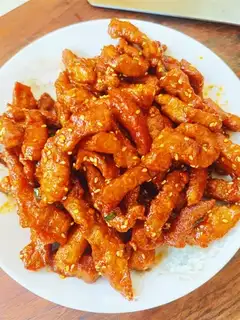
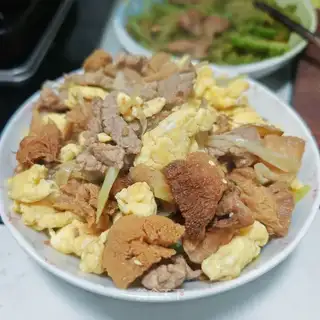
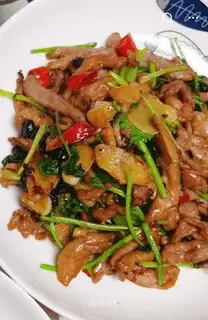
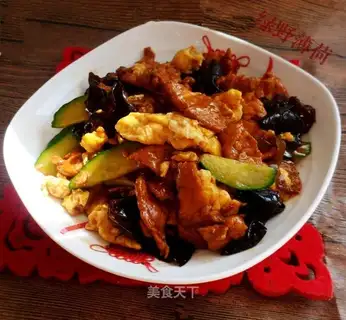
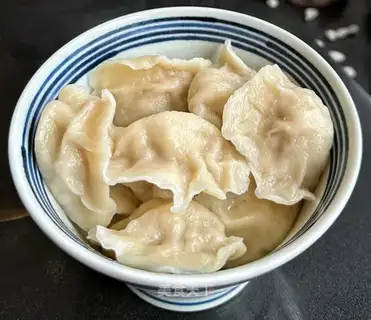
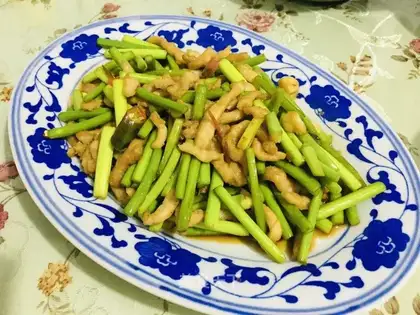
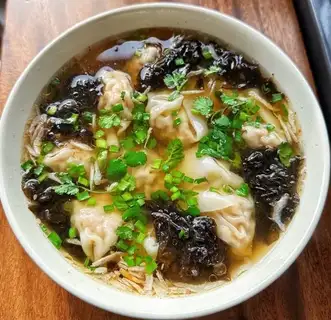
Pork, often referred to as "the other white meat," has been a staple in human diets for millennia, with pork loin standing out as one of the most versatile and nutrient-rich cuts. Taken from the back of the pig, along the spine, pork loin is a lean, tender muscle that boasts a delicate flavor and a tender texture when cooked properly. Beyond its culinary appeal, pork loin is a nutritional powerhouse, offering a unique blend of high-quality protein, essential vitamins, and minerals. However, like all foods, it must be consumed mindfully to maximize its benefits while minimizing potential risks. This article explores the nutritional profile, health benefits, and consumption considerations of pork loin, providing a comprehensive guide for health-conscious individuals and food enthusiasts alike.
Nutritional Profile of Pork Loin
Pork loin is celebrated for its impressive nutritional composition, making it an excellent choice for those seeking a nutrient-dense protein source. A 100-gram (3.5-ounce) serving of cooked, lean pork loin (trimmed of visible fat) contains approximately:
- Protein: 22–25 grams, providing all nine essential amino acids necessary for muscle growth, tissue repair, and immune function. This makes it a complete protein source, comparable to chicken, fish, and beef.
- Fat: 3–6 grams, with most of it being unsaturated fat, including monounsaturated fats (similar to those in olive oil) and polyunsaturated fats, including omega-3 and omega-6 fatty acids. The low fat content (especially when trimmed) makes it a heart-healthier option than fattier cuts like pork belly.
- Vitamins:
- Vitamin B6 (Pyridoxine): ~0.5 mg, over 25% of the Daily Value (DV). This vitamin is critical for brain development, neurotransmitter synthesis, and metabolism.
- Vitamin B12 (Cobalamin): ~0.6 µg, covering 25% of the DV. Essential for nerve function, red blood cell formation, and DNA synthesis.
- Niacin (Vitamin B3): ~6 mg, ~30% of the DV. Supports energy metabolism, skin health, and digestive function.
- Thiamine (Vitamin B1): ~0.5 mg, ~35% of the DV. Plays a key role in converting food into energy and maintaining proper nerve function.
- Riboflavin (Vitamin B2): ~0.2 mg, ~15% of the DV. Important for energy production and eye health.
- Vitamin D: ~0.2 µg, a small but notable amount, especially in pasture-raised pork, which contributes to bone health and immune regulation.
- Minerals:
- Selenium: ~20–30 µg, ~40% of the DV. A powerful antioxidant that supports thyroid function and protects cells from damage.
- Zinc: ~1.5–2 mg, ~15% of the DV. Vital for immune function, wound healing, and DNA synthesis.
- Phosphorus: ~200 mg, ~20% of the DV. Works with calcium to build strong bones and teeth.
- Potassium: ~350 mg, ~7% of the DV. Helps regulate blood pressure, fluid balance, and muscle contractions.
- Iron: ~0.9 mg, ~5% of the DV. Supports oxygen transport in the blood and prevents anemia.
This combination of macronutrients and micronutrients positions pork loin as a nutrient-dense food that can contribute to a balanced diet when consumed in moderation.
Health Benefits of Pork Loin
The nutritional profile of pork loin translates to several key health benefits, making it a valuable addition to a healthy eating pattern.
1. Supports Muscle Growth and Repair
Protein is the building block of muscles, tendons, and ligaments, and pork loin provides an abundant, high-quality source. The amino acids in pork loin, particularly leucine, stimulate muscle protein synthesis (MPS), making it an ideal food for athletes, older adults (to combat sarcopenia, or age-related muscle loss), and anyone recovering from injury or surgery. A 3-ounce serving of pork loin can provide over 20 grams of protein, meeting nearly half the daily protein needs for an average adult.
2. Enhances Energy Metabolism
Pork loin is rich in B vitamins, which act as coenzymes in metabolic reactions that convert food into energy. For example:
- Vitamin B6 helps break down glycogen (stored glucose) for energy.
- Niacin supports the function of enzymes involved in carbohydrate, fat, and protein metabolism.
- Thiamine is essential for converting carbohydrates into cellular energy.
Individuals with active lifestyles or those experiencing fatigue may benefit from incorporating pork loin into their diets to maintain optimal energy levels.
3. Boosts Immune Function
The immune system relies on adequate intake of protein, zinc, selenium, and vitamins to function effectively. Zinc, in particular, is crucial for the development and activation of immune cells, such as T-lymphocytes and natural killer cells. A single serving of pork loin provides ~15% of the DV for zinc, helping to strengthen the body’s defense against infections. Additionally, selenium’s antioxidant properties protect immune cells from oxidative stress, further enhancing immune resilience.
4. Promotes Heart Health
While pork is often associated with high saturated fat, pork loin is a lean cut with a favorable fat profile. Its low saturated fat content (less than 2 grams per 100 grams when trimmed) and higher proportion of unsaturated fats help reduce LDL ("bad") cholesterol levels when consumed as part of a balanced diet. Moreover, pork loin contains potassium, which counteracts the effects of sodium by relaxing blood vessels and lowering blood pressure—a key factor in preventing hypertension and cardiovascular disease.
5. Supports Cognitive Health
Vitamin B12 and thiamine are vital for brain function. Vitamin B12 deficiency has been linked to cognitive decline, memory loss, and neuropathy, while thiamine supports neurotransmitter activity and protects against brain aging. A single serving of pork loin provides ~25% of the DV for vitamin B12, making it a valuable food for maintaining cognitive health, especially in older adults.
6. Aids in Weight Management
High-protein foods like pork loin promote satiety, reducing hunger and overall calorie intake. Protein takes longer to digest than carbohydrates or fats, helping to stabilize blood sugar levels and prevent overeating. Studies show that a high-protein diet can increase metabolic rate by 20–30% after a meal, a phenomenon known as the thermic effect of food (TEF). For individuals aiming to lose or maintain weight, incorporating lean protein sources like pork loin can be an effective strategy.
食用禁忌 (Consumption Considerations and Precautions)
Despite its numerous benefits, pork loin is not without potential drawbacks, particularly when consumed improperly or in excess. Understanding these considerations is key to enjoying pork loin safely and healthily.
1. Proper Cooking to Avoid Foodborne Illnesses
Pork, like all meats, can harbor harmful bacteria such as Salmonella, E. coli, and Trichinella (a parasite causing trichinosis). To eliminate these risks, pork loin must be cooked thoroughly. The USDA recommends cooking pork to an internal temperature of 145°F (63°C), followed by a 3-minute rest time, to ensure safety. Undercooked pork, especially with pink or grayish spots, can lead to food poisoning, symptoms of which include nausea, diarrhea, fever, and abdominal cramps.
2. Moderation for Saturated Fat and Sodium
While pork loin is leaner than other cuts, it still contains small amounts of saturated fat. Excessive saturated fat intake is linked to elevated LDL cholesterol and an increased risk of heart disease. To minimize this, choose trimmed cuts and avoid adding extra fats during cooking (e.g., frying). Additionally, processed pork products (e.g., bacon, ham, sausages) are high in sodium and preservatives (e.g., nitrates), which can contribute to hypertension and chronic diseases. Opt for fresh, unseasoned pork loin and limit processed pork consumption.
3. Individual Health Conditions
- Kidney Disease: Pork loin is high in protein and phosphorus, which can strain kidney function in individuals with chronic kidney disease (CKD). Such patients should consult a healthcare provider or dietitian to determine appropriate portion sizes.
- Gout: Purines, compounds found in pork, can trigger gout attacks in susceptible individuals by increasing uric acid levels. People with gout should limit pork loin intake and prioritize low-purine foods like fruits, vegetables, and whole grains.
- Religious and Cultural Restrictions: Pork is prohibited in Islam, Judaism, and some other religions due to dietary laws (e.g., halal and kosher). Cultural and personal beliefs should always be respected when considering pork consumption.
4. Balanced Diet Integration
Pork loin should be part of a diverse diet that includes plenty of fruits, vegetables, whole grains, and other lean proteins. Relying too heavily on any single food group can lead to nutrient imbalances. For example, while pork loin is rich in B vitamins and iron, it lacks significant amounts of vitamin C, calcium, and fiber—nutrients abundant in plant-based foods. Pairing pork loin with a side of broccoli (rich in vitamin C, which enhances iron absorption) or a quinoa salad (high in fiber and protein) creates a balanced, nutrient-dense meal.
Conclusion
Pork loin is a nutrient-rich, versatile cut of meat that offers a wide range of health benefits, from supporting muscle growth and energy metabolism to boosting immune function and heart health. Its high-quality protein, abundance of B vitamins, and essential minerals make it an excellent choice for individuals seeking to maintain a balanced diet. However, these benefits can only be fully realized when pork loin is consumed safely and mindfully—thoroughly cooked, consumed in moderation, and integrated into a diverse eating pattern.
For those who enjoy its mild flavor and tender texture, pork loin can be a delicious and nutritious centerpiece of meals, from roasted pork loin with herbs to grilled pork skewers with vegetables. By understanding its nutritional value, health benefits, and consumption considerations, individuals can make informed choices that align with their health goals and dietary preferences. In the world of protein sources, pork loin stands out not just for its culinary versatility, but for its potential to contribute to a healthier, more vibrant life.