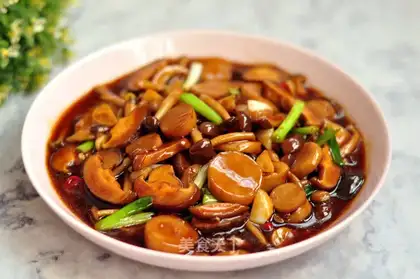
In the world of culinary delights and functional foods, few ingredients offer the unique combination of umami richness, versatility, and nutritional potency as Hypsizygus marmoreus, commonly known as the beech mushroom or, more evocatively, "crab-flavored mushroom." Named for its delicate, crab-like taste and tender texture, this fungus has transcended its origins in East Asian forests to become a global favorite among chefs, health enthusiasts, and home cooks alike. Beyond its culinary appeal, crab-flavored mushrooms are celebrated for their impressive array of nutrients and bioactive compounds, which contribute to a range of health benefits. However, like all foods, they must be consumed mindfully to avoid potential risks. This article explores the nutritional profile, health-promoting properties, and important precautions associated with Hypsizygus marmoreus, offering a comprehensive guide to this remarkable ingredient.
Nutritional Profile: A Treasure Trove of Essential Nutrients
Crab-flavored mushrooms are a nutritional powerhouse, packing a high concentration of vitamins, minerals, proteins, and fiber into each low-calorie serving. According to the U.S. Department of Agriculture (USDA), a 100-gram (about 3.5 cups) serving of raw beech mushrooms contains approximately:
- Calories: 22 kcal, making them an ideal choice for weight-conscious diets.
- Protein: 3.1 grams, including all nine essential amino acids (lysine, leucine, valine, etc.), which are critical for muscle repair, immune function, and enzyme synthesis. This makes them an excellent plant-based protein source, particularly for vegetarians and vegans.
- Dietary Fiber: 2 grams, both soluble and insoluble. Fiber aids digestion, promotes gut health by acting as a prebiotic (feeding beneficial gut bacteria), and helps regulate blood sugar levels by slowing carbohydrate absorption.
- Vitamins:
- B Vitamins: Rich in niacin (B3), riboflavin (B2), and pantothenic acid (B5), which play vital roles in energy metabolism, nervous system function, and skin health. Niacin, in particular, supports cardiovascular health by lowering LDL ("bad") cholesterol.
- Vitamin D: Unlike most plant foods, crab-flavored mushrooms produce vitamin D2 when exposed to UV light, a crucial nutrient for bone health, immune regulation, and mood stabilization.
- Minerals:
- Potassium: 362 mg per 100 grams, essential for maintaining fluid balance, nerve transmission, and blood pressure control.
- Copper: 0.4 mg, a trace mineral involved in iron absorption, antioxidant defense, and collagen formation.
- Selenium: 9.6 mcg, a powerful antioxidant that protects cells from oxidative damage and supports thyroid function.
- Phosphorus: 120 mg, vital for bone and teeth health, as well as cellular energy production (ATP).
- Bioactive Compounds: These mushrooms are rich in polysaccharides (such as beta-glucans), which have immune-modulating effects, and phenolic compounds, which exhibit antioxidant and anti-inflammatory properties. They also contain ergothioneine, a unique amino acid with potent cytoprotective effects, meaning it helps protect cells from damage caused by free radicals and environmental toxins.
Health Benefits: From Immune Support to Disease Prevention
The nutritional composition of crab-flavored mushrooms translates into a host of health benefits, backed by both traditional use and modern scientific research.
1. Immune System Enhancement
Beta-glucans, a type of polysaccharide found abundantly in Hypsizygus marmoreus, are the star players in immune modulation. These compounds activate immune cells such as macrophages, natural killer (NK) cells, and T-cells, enhancing the body’s ability to detect and eliminate pathogens like bacteria, viruses, and abnormal cells. A 2018 study published in the Journal of Medicinal Food found that beta-glucans from beech mushrooms significantly increased NK cell activity in mice, suggesting potential applications in reducing infection risk and supporting cancer immunotherapy. Additionally, ergothioneine, present in high levels in these mushrooms, accumulates in immune cells and protects them from oxidative stress, further bolstering immune resilience.
2. Antioxidant and Anti-Inflammatory Effects
Chronic inflammation and oxidative stress are underlying factors in many diseases, including heart disease, diabetes, and neurodegenerative disorders. Crab-flavored mushrooms are rich in antioxidants that neutralize free radicals—unstable molecules that damage cells and DNA. Phenolic compounds, such as flavonoids and phenolic acids, inhibit pro-inflammatory enzymes like COX-2, reducing the production of inflammatory molecules like cytokines. A 2020 study in Food Chemistry demonstrated that Hypsizygus marmoreus extracts exhibited strong free radical scavenging activity and suppressed inflammation in human cell lines, highlighting its potential as a functional food for managing chronic inflammatory conditions.
3. Cardiovascular Health Support
The combination of fiber, potassium, and B vitamins in crab-flavored mushrooms makes them heart-healthy. Fiber helps lower LDL cholesterol by binding to bile acids in the digestive system, which are then excreted, forcing the liver to use more cholesterol to produce new bile acids. Potassium, meanwhile, counteracts the effects of sodium, relaxing blood vessels and reducing blood pressure. Niacin (B3) improves lipid profiles by increasing HDL ("good") cholesterol and lowering triglycerides. A 2019 review in Nutrients concluded that regular mushroom consumption, including beech mushrooms, is associated with a 30–40% lower risk of cardiovascular disease due to these synergistic effects.
4. Blood Sugar Regulation
For individuals with diabetes or prediabetes, crab-flavored mushrooms offer a valuable tool for blood sugar management. Their high fiber content slows the digestion and absorption of carbohydrates, preventing sharp spikes in blood glucose levels after meals. Furthermore, research suggests that certain polysaccharides in mushrooms may enhance insulin sensitivity, allowing cells to use glucose more efficiently. A 2021 study in Phytotherapy Research found that diabetic rats fed Hypsizygus marmoreus extract had significantly lower fasting blood sugar levels and improved insulin resistance compared to the control group.
5. Gut Health and Digestive Wellness
As a prebiotic, crab-flavored mushrooms nourish beneficial gut bacteria like Lactobacillus and Bifidobacterium, which are essential for maintaining a healthy gut microbiome. A balanced microbiome supports digestion, nutrient absorption, and immune function, while also reducing the risk of gastrointestinal disorders such as irritable bowel syndrome (IBS) and inflammatory bowel disease (IBD). The fiber in these mushrooms also adds bulk to stool, promoting regularity and preventing constipation.
6. Potential Anti-Cancer Properties
While not a cure for cancer, emerging research suggests that crab-flavored mushrooms may play a role in cancer prevention and adjunct therapy. Beta-glucans have been shown to inhibit tumor growth by stimulating the immune system to recognize and destroy cancer cells. In vitro and animal studies indicate that Hypsizygus marmoreus extracts can induce apoptosis (programmed cell death) in cancer cells, particularly those of the breast, colon, and liver. A 2022 study in Oncology Reports found that beech mushroom polysaccharides suppressed the proliferation of human colon cancer cells by modulating signaling pathways involved in cell cycle arrest.
7. Weight Management and Satiety
Low in calories but high in fiber and protein, crab-flavored mushrooms are an excellent addition to weight loss diets. Protein and fiber increase satiety, reducing overall calorie intake by keeping you feeling full for longer. Additionally, their umami flavor can enhance the taste of low-calorie dishes, making it easier to stick to a healthy eating plan. A 2017 study in Appetite found that participants who consumed mushroom-containing meals reported greater fullness and consumed fewer calories at subsequent meals compared to those who ate meat-based meals.
Precautions and Potential Side Effects
While crab-flavored mushrooms are generally safe for most people, there are important precautions to consider to avoid adverse effects.
1. Allergic Reactions
Though rare, mushroom allergies can occur, particularly in individuals with sensitivities to other fungi or mold. Symptoms may include skin rash, itching, swelling, difficulty breathing, or digestive upset. Those with a known mushroom allergy should avoid Hypsizygus marmoreus entirely.
2. Contamination and Food Safety
Like all fresh produce, crab-flavored mushrooms can be contaminated with bacteria, such as Salmonella or E. coli, if not handled or cooked properly. Always purchase mushrooms from reputable sources, store them in a clean, dry place (refrigeration is best for freshness), and cook them thoroughly before consumption. Cooking destroys harmful bacteria and enhances the bioavailability of nutrients like beta-glucans.
3. Interaction with Medications
Mushrooms contain high levels of vitamin K, which plays a key role in blood clotting. Individuals taking blood-thinning medications (e.g., warfarin) should maintain consistent vitamin K intake to avoid reducing the medication’s effectiveness. While moderate consumption of crab-flavored mushrooms is unlikely to cause issues, it is advisable to consult a healthcare provider if you are on anticoagulants.
4. Purine Content and Gout
Crab-flavored mushrooms are moderate in purines, natural compounds that break down into uric acid. In individuals with gout or hyperuricemia (high uric acid levels), excessive purine intake can trigger painful flare-ups. While mushrooms are generally lower in purines than animal products like organ meats, those with gout should consume them in moderation and stay hydrated to help flush uric acid from the body.
5. Wild Foraging Risks
Foraging for wild mushrooms is extremely dangerous, as many edible species have toxic look-alikes. Hypsizygus marmoreus is commercially cultivated and widely available in supermarkets, so there is no need to forage for it. Never consume wild mushrooms unless identified by an expert, as misidentification can lead to severe poisoning or death.
Culinary Uses and Practical Tips
Beyond their health benefits, crab-flavored mushrooms are prized for their culinary versatility. Their mild, slightly sweet flavor and firm, crunchy texture make them suitable for a wide range of dishes:
- Stir-fries and Sautéing: Cook quickly with garlic, ginger, and soy sauce for a simple, flavorful side dish.
- Soups and Stews: Add to miso soup, ramen, or vegetable broths to enhance umami and texture.
- Grilling and Roasting: Toss with olive oil, herbs, and a pinch of salt, then grill or roast until caramelized for a smoky, savory addition to salads or grain bowls.
- Salads: Use raw or lightly blanched young mushrooms in salads for a crunchy, nutritious boost.
- Meat Substitutes: Their meaty texture makes them a popular choice for vegetarian "mock meat" dishes, such as mushroom burgers or "scallops."
To maximize their nutritional benefits, avoid overcooking, as excessive heat can degrade heat-sensitive vitamins like B vitamins and vitamin D. Light sautéing, steaming, or grilling are ideal preparation methods.
Conclusion
Crab-flavored mushrooms (Hypsizygus marmoreus) are a true superfood, offering a rare blend of exceptional taste, nutritional density, and health-promoting properties. From immune support and heart health to blood sugar regulation and gut wellness, their benefits are backed by both traditional use and modern science. While they are safe for most people when consumed properly, it is important to be mindful of allergies, food safety, and potential interactions with medications. Whether you are a health enthusiast, a culinary adventurer, or simply looking to add more nutrient-rich foods to your diet, crab-flavored mushrooms are a delicious and versatile choice that can elevate both your meals and your well-being. As research continues to uncover their potential, these humble fungi are poised to remain a staple in kitchens and medicine cabinets alike.