Japanese cuisine
VicentaLakin
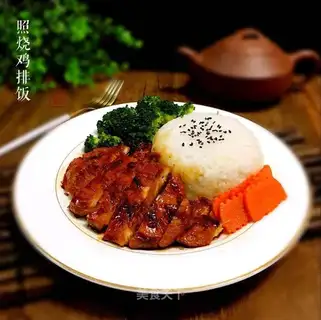
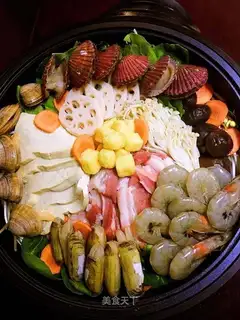
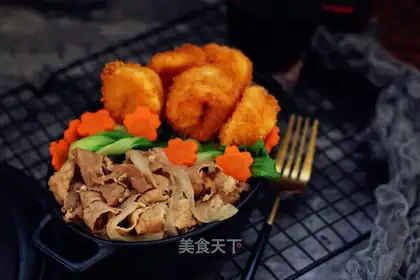
After acid treatment, sliced into thin beef, known as fat cow. Fat cattle are not only delicious but also nutritious and contain a wealth of protein, iron, zinc, calcium, but also vitamin B, including folic acid, vitamin B and nuclide, which are needed daily. One fat cow contains vitamin B12, which is equivalent to approximately B12 in seven equal doses of chicken chest. Fertilized cattle can be fed with seafood, which is rich in protein, iron, vitamins and is more easily absorbed in nutrition. Shrimp is highly nutritious, containing several times more proteins than fish, eggs, milk, and a wealth of minerals such as potassium, iodine, magnesium, phosphorus and vitamin A and ammonia. Shrimps that go to the sandline, which go to the end, not only make it easier to cook, but also have a good meat taste, which is easily digested and suitable for the young and old. Cowfish (which speaks in Japanese like duong, in Chinese or jang) is called Japanese food, which means food on a bowl of white rice, such as a bowl of fish shrimp, a bowl of pork chops, an egg-laying egg and a chicken, and a baby-lingo。