The Spring Festival reunion dinner, a cherished tradition, reaches its heartiest crescendo with the symbolic dish "San Yang Kai Tai" (Three Goats Bringing Prosperity). More than a meal, it embodies hope, harmony, and the promise of a new beginning.
San Yang Kai Tai, often represented by a succulent braised goat dish or creatively crafted mutton sculptures, draws inspiration from the Chinese zodiac. While the Year of the Goat (or Ram, Sheep) is not the only occasion for its presence, its name—an auspicious homophone for "sunrise" and "triumph"—makes it a timeless favorite. The goat, a gentle yet resilient creature, symbolizes peace, filial piety, and abundance in Chinese culture. At the reunion table, it serves as a delicious metaphor for family unity: each "goat" representing a loved one, their combined presence radiating warmth and joy.
Preparation is a labor of love. Slow-simmered with aromatic spices like star anise and ginger, the meat becomes tender, its fragrance filling the home with anticipation. Served alongside dishes like fish ("surplus") and dumplings ("wealth"), it weaves a tapestry of good fortune. As families gather, sharing this dish, they not only savor its rich flavor but also pass down wishes for health, success, and prosperity in the year ahead.
In San Yang Kai Tai, food transcends sustenance; it becomes a vessel of blessings, ensuring the reunion dinner is a feast for both the body and the soul.
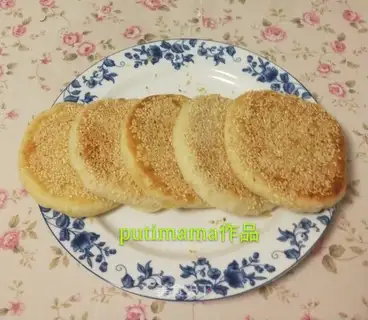 The pasta"
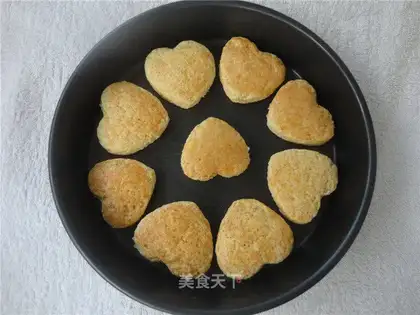 Scones"
 Curry potato chicken"
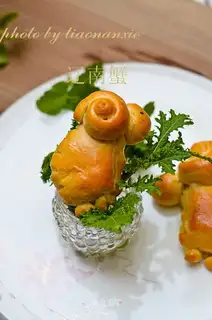 The lamb bread"
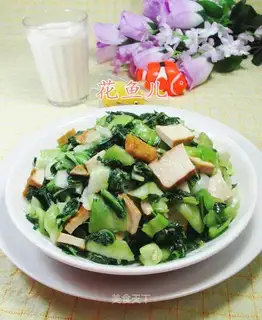 Scrambled and squeezed"
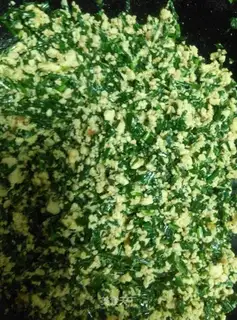 Cream tofu eggs"
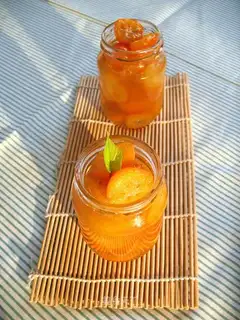 Sugar and gold oranges"
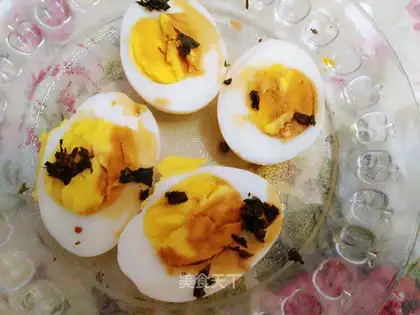 It's new"