salty and sweet Recipe
RoseAdams
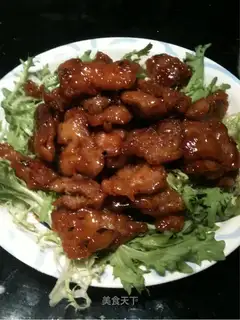
Ingredients: ketchup,honey,salt,lettuce,pork loin,cooking wine,soy sauce,onion,Jiang,flour,corn starch
OsbaldoFunk
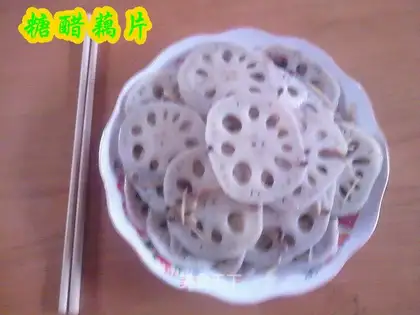
Sweet and sour lotus root slices are a simple home-cooked dish, but in our north, they are an indispensable dish at banquets. Old people often say that if you eat more lotus root, you will be more careful, which means that lotus root has many lotus root eyes. If children eat too much, you can be more careful. In fact, it is just a joke. I have never seen anyone who has been more careful since I was a child. However, this lotus root slice is very popular among children. It is crisp, refreshing, sour and sweet. It is snatched away as soon as it is served on the table, haha!
EstelBeer
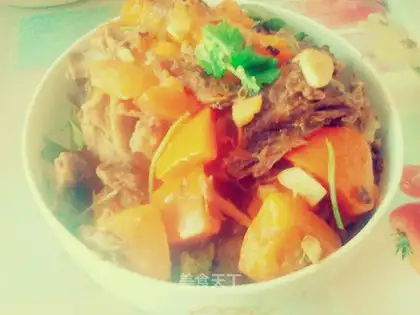
Pumpkin is one of the common melons and vegetables in our lives. It tastes sweet and delicious. It is rich in nutrients. In the cold season like winter, eating more pumpkins is of great benefit to our body. Eating pumpkin can prevent many diseases and cure some diseases. Its therapeutic value is very high<br /> Nutritional analysis of pumpkin<br /><br /> nutritional analysis<br /><br /> Every 100 grams contains 0.6 grams of protein and 1 gram of fat. 5.7 grams of carbohydrates, 1.1 grams of crude fiber, 6 grams of ash, 10 mg of calcium, 32 mg of phosphorus, 0.5 mg of iron, 0.57 mg of carotene, 0.04 mg of riboflavin, 0.7 mg of niacin, 5 mg of ascorbic acid. In addition, it also contains citruline, arginine, asparagine, trigonelline, adenine, glucose, mannitol, pentosan, and pectin. <br /><br />The beneficial ingredients in pumpkin for the human body include: polysaccharides, amino acids, active protein carotenoids and various trace elements. Functions of various ingredients:<br /><br /> 1. Polysaccharides: Pumpkin polysaccharide is a non-specific immune enhancer that can improve the body's immune function, promote the production of cytokines, and play various regulatory functions on the immune system by activating complement and other ways. <br /><br />2. Carotenoids: The rich carotenoids in pumpkin can be transformed into vitamin A with important physiological functions in the body, thus having important physiological functions on the growth and differentiation of epithelial tissue, maintaining normal vision, and promoting bone development. <br /><br />3. Mineral elements: Pumpkin has high calcium, high potassium and low sodium, which is especially suitable for middle-aged and elderly people and patients with hypertension, and is conducive to preventing osteoporosis and hypertension. In addition, it also contains phosphorus, magnesium, iron, copper, manganese, chromium, boron and other elements. <br /><br />4. Amino acids and active proteins: Pumpkin contains a variety of amino acids needed by the human body, among which the content of lysine, leucine, isoleucine, phenylalanine, threonine, etc. is high. In addition, the ascorbic acid oxidase genotype in pumpkin is the same as that in tobacco, but its activity is significantly higher than that in tobacco, indicating that the content of immunoactive protein in pumpkin is higher. <br /><br />5. Lipids: Studies have found that lipids in pumpkin seeds have good therapeutic and preventive effects on urinary diseases and prostate hyperplasia.