Supplementing with calcium is very important. Most people use calcium supplements, but there are many misconceptions. In fact, getting calcium from your diet is more effective. Let's introduce how to supplement calcium through your diet and break through the dietary calcium误区.
Homemade Sesame Paste
1. Sesame Paste
You might not know this, but many people think milk is the richest source of calcium. In fact, among common foods, sesame paste has the highest calcium content, with 1057 milligrams of calcium per 100 grams.
Sesame paste is rich in protein, amino acids, and various vitamins and minerals, making it highly beneficial for health. Its calcium content is much higher than that of vegetables and legumes. Regular consumption is great for the development of bones and teeth (do not consume with vegetables like spinach, as the oxalic acid or soluble oxalates in vegetables can react to form calcium oxalate precipitate, affecting calcium absorption). Sesame paste contains several times more iron than pork liver and egg yolks. Regular consumption not only helps correct picky eating and loss of appetite but also helps prevent and correct iron-deficiency anemia.
Additionally, sesame paste is rich in lecithin, which can prevent premature graying or loss of hair. Sesame contains a large amount of oil, which has a good laxative effect. Eating sesame paste often can increase skin elasticity, making the skin soft and healthy. It is recommended to consume 10 to 20 grams daily.
2. Dried Tiny Shrimp
Dried tiny shrimp are very rich in calcium. 100 grams contain 991 milligrams of calcium, second only to sesame paste. Dried tiny shrimp are nutritious, with several times to several dozen times more protein than fish, eggs, and milk. They are also rich in minerals like potassium, iodine, magnesium, and phosphorus, as well as components like vitamin A and aminophylline. Their meat is soft and easy to digest, making it an excellent food for the weak and those in recovery.
Furthermore, dried tiny shrimp are rich in magnesium, which plays an important regulatory role in heart activity and can protect the cardiovascular system. It can reduce cholesterol levels in the blood, prevent arteriosclerosis, and dilate the coronary arteries, which is beneficial for preventing hypertension and myocardial infarction. The elderly can prevent osteoporosis caused by calcium deficiency by regularly eating dried tiny shrimp. Adding some to their meals is also very good for improving appetite and strengthening their constitution.
Cheese Baked Tomatoes
3. Milk
Milk is highly nutritious and its mineral content is very rich. Besides the well-known calcium, it also contains plenty of phosphorus, iron, zinc, copper, manganese, and molybdenum. Most importantly, milk is the best source of calcium for the human body, and its calcium-to-phosphorus ratio is very appropriate, facilitating calcium absorption. Its composition is complex, with at least 100 types of components, mainly water, fat, phospholipids, protein, lactose, and inorganic salts.
Among these, whole milk, which is the common type we see, has a protein content of about 3%, a fat content of about 3%, and a calcium content of about 120 milligrams per 100 milliliters. It also contains fat-soluble vitamins K, A, E, etc., making it the best milk for calcium supplementation. 100 milliliters of whole milk contain 676 milligrams of calcium. Because milk is convenient to consume, it has become the top choice for calcium-rich foods.
4. Cheese
Dairy products are the best choice for dietary calcium supplementation, and cheese is a dairy product with high calcium content that is easily absorbed. Every 100 grams of cheese contains 659 milligrams of calcium, which is abundant.
Cheese can enhance the body's ability to resist diseases, promote metabolism, increase vitality, protect eye health, and maintain healthy skin. The lactic acid bacteria and their metabolic products in cheese have certain health benefits, helping to maintain the stability and balance of the normal flora in the human intestine, preventing and treating constipation and diarrhea. Cheese contains a lot of fat and calories, but its cholesterol content is relatively low, which is also beneficial for cardiovascular health.
Mustard and Tofu Soup
5. Mustard Greens
In addition to common calcium-rich foods like dairy products and dried tiny shrimp, vegetables can also be high in calcium. Every 100 grams of mustard greens contain 294 milligrams of calcium. Additionally, mustard greens are rich in vitamins A, B-complex, C, and D. Its specific benefits include refreshing the mind and awakening the brain. Mustard greens contain a large amount of ascorbic acid, a highly active reducing substance that participates in important oxidation-reduction processes in the body. It can increase oxygen content in the brain and stimulate the brain's use of oxygen, thereby refreshing the mind and relieving fatigue.
Secondly, it has the effect of detoxification and reducing swelling. It can resist infection, prevent diseases, inhibit the toxicity of bacterial toxins, and promote wound healing, and can be used as an auxiliary treatment for infectious diseases. It also has the effect of stimulating appetite and aiding digestion. Because pickled mustard greens have a special umami and aroma, they can promote the digestive function of the stomach and intestines, increase appetite, and can be used to stimulate appetite and help digestion.
Braised Sea Cucumber with Scallions
6. Sea Cucumber
Sea cucumber, known as "sea ginseng," gets its name from its similar tonic effects to ginseng. Sea cucumber is rich in calcium, with 285 milligrams of calcium per 100 grams. In addition, it has rich nutritional value.
Sea cucumber has high nutritional value. Every 100 grams of rehydrated sea cucumber contains 14.9 grams of protein, 0.9 grams of fat, 0.4 grams of carbohydrates, 357 milligrams of calcium, 12 milligrams of phosphorus, 2.4 milligrams of iron, as well as vitamins B1, B2, and niacin. Sea cucumber contains extremely low cholesterol and is a typical high-protein, low-fat, low-cholesterol food. Coupled with its tender texture and easy digestibility, it is very suitable for the elderly, children, and people with weak constitutions.
7. Seaweed
Seaweed is nutritious and very high in iodine, which can be used to treat "goiter" caused by iodine deficiency. But its calcium-supplementing ability should not be ignored either. Every 100 grams of seaweed contain 264 milligrams of calcium.
Seaweed is also rich in choline, calcium, and iron, which can enhance memory, treat anemia in women and children, and promote the growth and health of bones and teeth. It contains a certain amount of mannitol, which can be used as an auxiliary food for treating edema. The polysaccharides in seaweed can significantly enhance cellular and humoral immune functions, promote lymphocyte transformation, and improve the body's immunity. It can significantly reduce the total serum cholesterol content. The active ingredients in seaweed have an inhibition rate of 53.2% against Ehrlich's carcinoma, and are helpful in the prevention and treatment of brain tumors, breast cancer, thyroid cancer, malignant lymphoma, and other tumors.
Cold-dressed Black Fungus
8. Black Fungus
Black fungus is a great remedy for lowering blood pressure. In fact, besides this effect, its calcium-supplementing ability is also very strong, ranking eighth. Every 100 grams of black fungus contain 247 milligrams of calcium. It contains carbohydrates, 10.6 grams of protein, 0.2 grams of fat, 306 joules of heat, amino acids, vitamins, and minerals. It has effects such as replenishing qi, satisfying hunger, promoting lightness and intelligence, stopping bleeding and relieving pain, and nourishing blood and promoting blood circulation. It is rich in polysaccharide gel, which has a good lubricating effect, making it an important health food for miners and textile workers. It also has certain anti-cancer and cardiovascular disease treatment functions.
The gelatin in black fungus can absorb and expel dust and impurities remaining in the human digestive system, thus playing a role in cleansing the stomach and intestines. At the same time, it also helps digest fibrous substances and has a dissolving and melting effect on accidentally ingested indigestible foreign objects such as hair, husks, wood chips, sand, and metal shavings. Therefore, it is an indispensable health food for miners, chemical workers, and textile workers.
It also has a more significant effect in resolving endogenous foreign bodies such as gallstones and kidney stones. Black fungus can reduce blood clots and prevent diseases like thrombosis, and has the effect of preventing and treating atherosclerosis and coronary heart disease. It contains anti-tumor active substances that can enhance the body's immunity, and regular consumption can prevent and fight cancer.
Black Bean and Egg Wine Soup
9. Kelp
The rich calcium content of kelp is often overlooked. In fact, every 100 grams of kelp contain 241 milligrams of calcium. In addition, kelp contains polysaccharides such as alginic acid, fucoidin, and galactan, amino acids such as kelp acid, glutamic acid, aspartic acid, and proline, vitamins B1, B2, C, P, and carotene, and inorganic salts such as iodine, potassium, and calcium.
Kelp is rich in iodine and iodides, which has the effect of preventing and treating iodine-deficiency goiter; Kelp acid and potassium salts have a blood pressure-lowering effect; Alginic acid and kelp acid have the effect of lowering serum cholesterol; Its hot water extract has a significant cytotoxic effect on human KB cells in vitro, a significant inhibitory effect on S180 tumors, and can improve the body's humoral immunity and promote cellular immunity. Fucoidan can prevent high blood sugar.
10. Black Soybeans
Black soybeans are also very rich in calcium, even higher than regular soybeans. Every 100 grams of black soybeans contain 224 milligrams of calcium. The protein content in black soybeans is as high as 36%-40%, which is 2 times that of meat, 3 times that of eggs, and 12 times that of milk.
Black soybeans contain 18 amino acids, especially the 8 essential amino acids for the human body. Black soybeans also contain 19 types of fatty acids, with an unsaturated fatty acid content of 80% and an absorption rate of over 95%. Besides meeting the body's needs for fat, it also has the effect of lowering blood cholesterol. Black soybeans basically contain no cholesterol, only plant sterols. Plant sterols are not absorbed and utilized by the human body, but they can inhibit the human body's absorption of cholesterol and reduce cholesterol levels in the blood. Therefore, regular consumption of black soybeans can soften blood vessels, nourish the skin, and delay aging. It is especially beneficial for patients with hypertension and heart disease.
The trace elements in black soybeans, such as zinc, copper, magnesium, molybdenum, selenium, and fluorine, are very high, and these trace elements are very important for delaying human aging and reducing blood viscosity. The crude fiber content in black soybeans is as high as 4%. Regular consumption of black soybeans can provide dietary crude fiber, promote digestion, and prevent constipation.
 Black fungus salad
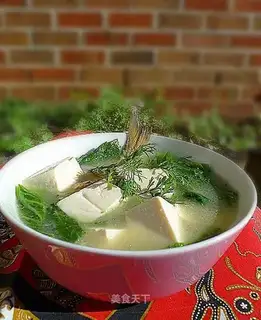 Mustard tofu soup
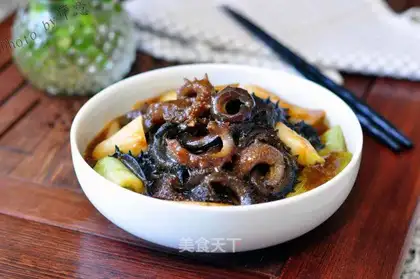 Burning sea cucumbers
 Black bean egg soup
 Homemade sesame sauce
 Cheese juice steak