In recent years, whenever the topic of wellness comes up, people often mention whole grains and coarse grains. Although they may not be as palatable, their nutritional value is something that refined grains cannot match. So, what are the benefits of eating coarse grains? And what are some common misconceptions about eating them?
Whole grains and coarse grains can help control body fat and protect against various diseases. Even eating porridge can be very filling, effectively helping to control food intake.
Dried and Fresh Lily Bulb and Pumpkin Soup
The Benefits of Eating Coarse Grains:
1. Increased Nutritional Supply
On a per-weight and per-calorie basis, whole grains can provide more than three times the amount of vitamins B1, B2, and minerals like potassium and magnesium compared to white rice. For example, the vitamin B1 content in refined white flour is only one-quarter of that in whole wheat. Similarly, compared to millet, white rice contains only one-fifth the potassium and iron. Therefore, eating coarse grains (whole grains) allows people to get more nutrients while feeling full. Those with sensitive stomachs should not refuse coarse grains just because of their "coarse" texture. By choosing the right types, you not only won't burden the digestive system but can actually help absorb more nutrients. For instance, millet, proso millet, sorghum, brown rice, and lotus seeds are easily digested and absorbed when cooked into porridge.
2. More Disease-Preventing Components
Whole grains and coarse grains not only contain more dietary fiber and various vitamins but also more antioxidants. Grains with red, purple, or black skins are excellent sources of anthocyanins, while yellow whole grains contain carotenoids. Barley and oats are also rich in beta-glucan. These substances each have their own health benefits, such as helping to prevent cancer, prevent coronary heart disease, help control post-meal blood sugar and blood cholesterol, and slow eye aging. In contrast, the health-promoting components in white rice and white flour are minimal.
3. Reduces the Risk of Colon Cancer
Everyone knows that whole grains and coarse grains are rich in fiber and total dietary fiber. On a per-weight basis, they provide more dietary fiber and resistant starch. These not only help with bowel regularity and are very beneficial for people with constipation, but they also promote the proliferation of beneficial bacteria in the large intestine, improve the gut microecological environment, and help reduce the risk of colon cancer.
4. Strong Satiety
A bowl of mixed grain and bean porridge is very filling and keeps you full for a long time. In contrast, consuming the same amount of energy from white rice or bread is quick, less satisfying, and can easily make you feel hungry, leading to an unintentional increase in calorie intake. For long-term weight loss, it is necessary to control dietary energy while ensuring that vitamins, minerals, and other nutrients are not lacking, and without feeling significantly hungry. In that case, why not choose a mixed grain and bean porridge that provides stronger satiety and more nutrition for the same energy intake?
Whole Wheat Steamed Buns
5. Improves Skin Quality
Having whole grains and coarse grains as the main staple allows one to obtain dietary fiber, ensuring smooth bowel movements. On the other hand, it helps balance hormone levels and provides a rich supply of B vitamins. This can reduce excessive facial oiliness, acne, cracking, and seborrheic dermatitis, gradually making the skin smoother and more radiant.
6. Prevents Obesity
Research has shown that people who eat the most whole grains in their daily diet have a smaller risk of gaining weight as they age, whereas those who eat refined white rice and white flour face a very high risk of weight gain in middle age. Eating whole grains and coarse grains makes it less likely to overeat, and the post-meal blood sugar rises slowly, requiring less insulin, which is beneficial for inhibiting fat synthesis.
7. Prevents Post-Meal Drowsiness
Many people have this experience: after having a lunch of white rice with braised pork or similar bento-style meals, they feel particularly lethargic, their mind slows down, and they even feel drowsy. You might find it strange, thinking the meal wasn't too greasy and was easy to digest, so why do you still feel tired afterward? This is because a large amount of refined, soft主食 (staple foods) causes blood sugar to be quickly absorbed into the bloodstream, leading to a rapid spike in insulin levels. A high insulin level may be one of the reasons for post-meal drowsiness.
8. Maintains Physical Energy and Enhances Cognitive Function
B vitamins are crucial for the efficient functioning of the nervous system and abundant physical energy, especially vitamin B1. Lean pork is rich in vitamin B1, but it also contains a significant amount of saturated fat and cholesterol, so it can only be consumed in small amounts daily. Many women, fearing weight gain,不敢多吃主食和肉类 (dare not eat much staple food and meat); many diabetics, fearing elevated blood sugar and lipids, also avoid staple food and meat, which greatly reduces the supply of vitamin B1. Therefore, the most practical sources of vitamin B1 in the diet are whole grains, legumes, and tubers. People who often eat coarse grains are energetic and less prone to fatigue.
Cranberry Peanut Oat Bars
9. Balances Hormone Levels
Studies have found that women who are overweight are more prone to conditions like hyperplasia of the mammary glands and uterine fibroids, and also have a higher risk of breast cancer. Women who typically eat more whole grains and coarse grains have lower body fat content under the same conditions, which is beneficial for preventing the above diseases. At the same time, consuming more dietary fiber from whole grains helps reduce the utilization of cholesterol in the diet and avoid excessively high levels of steroid hormones like estrogen. Some women with mild hyperplasia of the mammary glands or severe premenstrual breast tenderness can often alleviate or even eliminate their symptoms and reverse the hyperplastic trend after switching to whole grains and increasing exercise.
Some Common Misconceptions About Eating Coarse Grains
1. Coarse grains are high in calories.
In fact, coarse grains help with weight loss. Eating coarse grains in moderation does not add too many calories. They not only provide important nutrients like dietary fiber, protein, and large amounts of vitamins and trace elements but also enhance satiety, preventing overeating.
2. Eating coarse grains causes bloating.
In fact, eating coarse grains is more beneficial for intestinal peristalsis. Some people may experience bloating when they first add coarse grains to their diet. This is because coarse grains are high in dietary fiber, and people not accustomed to a high-fiber diet are more prone to bloating and discomfort. Therefore, the increase of coarse grains should be gradual, with a slow increase in quantity. The speed of increase should not be too fast, and don't eat too much at once. Also, drink more water after eating coarse grains. Special reminder: Methods to prevent and relieve bloating include drinking a cup of chamomile or mint tea, chewing food slowly, not letting too much time pass between meals, not drinking beverages with a straw, and not chewing gum.
Homemade Eight-Treasure Porridge
3. All coarse grains contain gluten.
In fact, whether such foods contain gluten depends entirely on the type of coarse grain. Grains like wheat do contain gluten. However, coarse grains like buckwheat, millet, oats, and sorghum do not contain gluten. For patients with gluten allergies or intolerances, gluten-free coarse grains are a safer option.
4. Coarse grains don't taste good; they have a poor flavor.
In fact, each coarse grain has its own unique aroma. Cooking coarse grains does not require adding seasonings or complex methods. Simply simmering them into a congee or steaming them as rice can release a rich, fragrant aroma.
 All-wheat buns
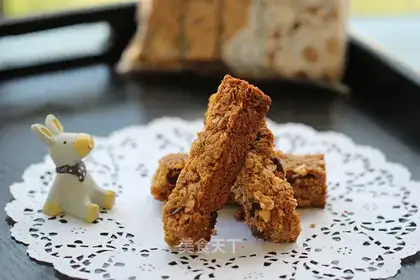 Cranberry peanut bar
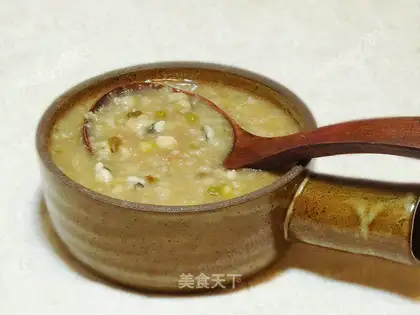 Home porridge
 Fried fish