Wild vegetables are nutritious. Compared to cultivated vegetables, they have 20% more protein and contain dozens of types of minerals in high amounts. Taking bracken as an example, its iron content is 13 times that of Chinese cabbage, its carotene content is twice as much, and its vitamin C content is eight times higher. In addition, wild vegetables have less pollution and better taste, which can stimulate the appetite and reduce anorexia, so they are worth promoting.
Wild vegetables not only contain essential nutrients for the human body such as protein, fat, carbohydrates, vitamins, and minerals, but they are also richer in plant fiber. The vitamin and mineral content of some wild vegetables is several times or even dozens of times higher than that of cultivated vegetables. Moreover, most wild vegetables grow in the mountains and forests, free from the pollution of modern industry, pesticides, and fertilizers, making them particularly precious.
Health benefits of several wild vegetables:
1. Bracken
Has a sedative effect: Bracken, also known as fern shoots or dragon head vegetable, is relatively common among wild vegetables. When the bracken fronds are coiled, it indicates they are fresh and tender; as they age, the fronds unfurl. Eating bracken can have the effects of clearing heat, lubricating the intestines, lowering qi to resolve phlegm, promoting urination, and calming the mind. However, dried or salted bracken should be soaked in water before eating to rehydrate it. Common cooking methods include stir-fried pork shreds with bracken, braised pork with bracken, and cold-dressed bracken.
Bracken with Shredded Pork
2. Platycodon
Can help with ulcers: Platycodon, also known as bright green vegetable or monk's hat, is what Koreans call Doraji. It produces small blue flowers at the tips of its stems. What we usually eat is the platycodon root, which has effects of expelling phlegm and relieving cough, relieving pain, reducing fever, sedating, lowering blood sugar, anti-inflammatory, anti-ulcer, anti-tumor, and antibacterial. Shepherd's purse tonifies deficiency and strengthens the spleen: The flowering period of shepherd's purse is from April to June. People can often see its small white dotted flowers in fields and by the roadside. Its main therapeutic effects are cooling the blood to stop bleeding, tonifying deficiency and strengthening the spleen, clearing heat and promoting urination. In spring, the tender stems and leaves or overwintered buds of shepherd's purse can be picked, blanched, and then eaten cold with sauce, used in soups, as a filling, stir-fried, or made into a delicious shepherd's purse porridge.
Platycodon Salad with Cucumber
3. Amaranth
Clears heat and promotes urination: The root of amaranth is usually purple or light purple; its stem rarely has branches and has green or light purple stripes; the leaves are ovate. We usually eat the tender stems and leaves of amaranth, which have the effects of clearing heat and promoting urination, detoxifying, nourishing yin and moistening dryness. In addition to stir-frying, cold-dressing, and making soup, amaranth is also often used as a filling, such as in cold-dressed amaranth, amaranth with chicken shreds, or amaranth dumplings.
Amaranth Dumplings
4. Watercress
Can lower blood pressure: Watercress, also known as water celery or river celery, has a hollow stem, triangular leaves, and white flowers. It mainly grows in damp places such as by ponds, rivers, and in paddy fields. Watercress has effects of clearing heat and detoxifying, moistening the lungs, strengthening the spleen and harmonizing the stomach, promoting digestion and guiding stagnation, promoting urination, stopping bleeding, lowering blood pressure, protecting against hepatitis, anti-arrhythmic, and antibacterial. Common dishes we eat include stir-fried pork with watercress, watercress and lamb dumplings, and watercress with peanuts.
Watercress and Egg Cup Salad
5. Purslane
Can treat diabetes: Purslane, also known as purslane or longevity vegetable, has the medicinal functions of clearing heat and detoxifying, and cooling the blood to stop bleeding. Because it is rich in noradrenaline, it can promote the secretion of insulin by the pancreas, regulate the body's sugar metabolism process, lower blood sugar concentration, and maintain stable blood sugar, so it has a certain therapeutic effect on diabetes. In addition, it contains an unsaturated fatty acid called 3-W, which can inhibit the production of cholesterol and triglycerides, and has a protective effect on the cardiovascular system. It can be cooked in many ways after blanching, such as stir-frying, cold-dressing, or used as a filling. For example, purslane scrambled with eggs, steamed purslane buns, or making a purslane and garlic porridge to clear heat and stop dysentery.
Pickled Purslane
6. Dandelion
Dandelion, also known by many as婆婆丁, is a plant that many people have seen in the wild. Its pollen contains vitamins and linoleic acid, while its stems and leaves contain choline, amino acids, and trace elements. The main functions of dandelion are clearing heat and detoxifying, reducing swelling, and promoting urination. It has a broad-spectrum antibacterial effect and can also stimulate the body's immune function, achieving the effects of promoting bile and protecting the liver. It can be eaten raw after blanching, stir-fried, or made into soup, such as jellyfish skin mixed with dandelion, dandelion stir-fried with pork shreds, or it can be mixed with green tea, licorice, and honey to make a cup of dandelion green tea that clears heat and detoxifies and reduces swelling.
Dandelion Udon Noodle Soup
7. Sowthistle
Can inhibit leukemia: The scientific name of sowthistle is Qu Ma Cai or Ju Mai Cai. Its stem is yellowish-white; its leaves are round-lanceolate, green on the surface and gray-green on the back; its flowers are bright yellow and tongue-shaped. Dried sowthistle is rich in elements such as potassium, calcium, magnesium, phosphorus, sodium, iron, manganese, zinc, and copper. Sowthistle can clear heat and dry dampness, reduce swelling and discharge pus, resolve stasis and detoxify, and cool the blood to stop bleeding. The ethanol extract of concentrated sowthistle decoction has an inhibitory effect on acute lymphocytic leukemia, as well as acute and chronic granulocytic leukemia. More common ways to eat it include garlic-mixed sowthistle, sauce-mixed sowthistle, and sowthistle stewed with pork liver.
Sowthistle and Intestine Soup
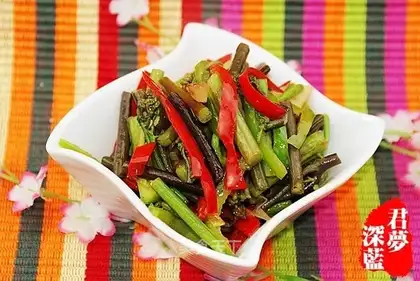 stir-fried shredded pork with bracken
 Amaranth Yuanbao Dumplings
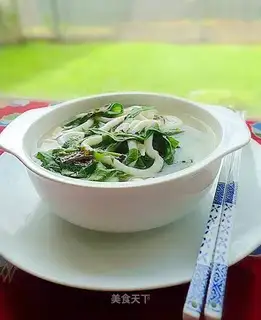 Dandelion Udon Noodles in Soup
 Pyramids
 Orange cucumber
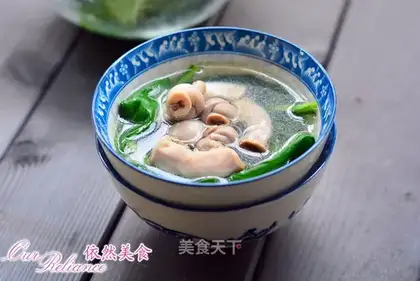 Scorch soup
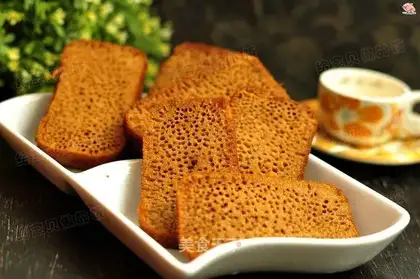 A hive cake