The summer weather is hot, and many people lose their appetite, their digestive function decreases, and they are prone to fatigue and lethargy. Therefore, diet in the hot summer must be well-considered, and corresponding countermeasures must be taken. Adhering to the principle of a summer diet focusing on light nourishment, strengthening the spleen, and eliminating summer heat and dampness, the editor will teach you what is best to eat in the summer?
Best Anti-Fatigue Food - Fruit and Vegetable Juice
When you feel listless in the summer, drinking more fruit and vegetable juice is a good choice. Because fresh fruit and vegetable juice can effectively supplement the body with vitamins and minerals such as calcium, phosphorus, potassium, and magnesium, it can enhance cell vitality and gastrointestinal function, promote digestive juice secretion, and eliminate fatigue. It should be noted that when making fruit and vegetable juice, it is best to choose two or three different fruits and vegetables, and change the combination daily to allow for balanced absorption of different nutrients. The pulp of the fruits and vegetables should not be missed; it is best to mix it well and eat it with honey.
Lotus Root and Duck Stew
Best Meat - Duck
Duck meat is sweet, salty, and cool in nature. From the perspective of the traditional Chinese medicine principle of "treating heat with cold," it is especially suitable for people with internal heat, such as those with low fever, weakness, poor appetite, or dry stools. In addition, duck stewed with ham and sea cucumber is good for nourishing the yin of the five organs; duck porridge cooked with glutinous rice has the effect of nourishing the stomach, replenishing blood, and promoting fluid production; duck stewed with kelp can soften blood vessels, lower blood pressure, and prevent and treat arteriosclerosis, hypertension, and heart disease.
Best Drink - Hot Tea
In the summer, drinks are indispensable. The first choice is not various cold drinks, nor beer or coffee, but very ordinary hot tea. Tea is rich in potassium (the average potassium content in 100 grams of tea is 10.7 mg for green tea and 24.1 mg for black tea), which quenches both thirst and fatigue. A study in the United States pointed out that drinking green tea can also reduce one-third of sunburn, sagging, and roughness of the skin caused by sun exposure. According to experiments by British experts, the cooling power of hot tea is much greater than that of cold drinks, making it an outstanding drink for relieving summer heat.
Tomato and Noodle Soup
Best Sun-Protective Food - Tomato
Research results from scientists in Germany and the Netherlands show that eating more tomatoes can protect against the sun. If you consume 40 grams of tomato sauce daily, the risk of sunburn will be reduced by 40%. Scientists believe that lycopene may be playing a major role.
Best Cooling Tool - Fan
Although a fan may seem ancient, the appropriate breeze and coolness are exactly what people need. While fanning, it is also a form of exercise that can exercise our arms, activate our right brain, and has a fitness effect.
Thousand Island Dressing with Bitter Melon Salad
Best Vegetable - Bitter Vegetables
As the saying goes: "Eating 'bitter' food in hot weather is better than taking supplements." Bitter foods contain amino acids, bitter substances, alkaloids, etc., and have multiple effects such as antibacterial and anti-inflammatory, reducing fever and eliminating summer heat, refreshing the mind, and eliminating fatigue.
Traditional Chinese medicine believes that in summer, summer heat is abundant and dampness is heavy, which damages kidney qi and burdens the spleen and stomach. Bitter foods can achieve a balance of body functions through their effects of tonifying qi, securing the kidneys, strengthening the spleen, and drying dampness. Common "bitter" foods include bitter melon, bitter herbs, kale, etc. It should be noted that you should not eat too much bitter food at once, otherwise it is easy to cause discomfort such as nausea and vomiting.
Best Condiment - Vinegar
Vinegar is indispensable in cooking, and adding it to summer dishes is even more beneficial. First, vinegar can kill bacteria. In summer, bacteria breed actively and intestinal infectious diseases increase. At this time, vinegar has a strong killing effect on various germs. Second, vinegar can regulate gastrointestinal function. Vinegar is sour, slightly sweet, and has a fragrant aroma. When you smell the aroma of vinegar and taste its flavor, digestive juices will be secreted naturally, ensuring you have a strong appetite.
Best Fruit - Watermelon
Watermelon is sweet and cold in nature, and it is commonly known as the "cold melon." It is the first choice among melons for clearing summer heat and quenching thirst. Watermelon is very nutritious and contains a variety of nutrients needed by the human body. Because it contains 96.6% water, it can supplement the large amount of water lost by the human body in summer. Therefore, there is a saying that "half a melon a day makes the scorching heat not a big deal." When summer heatstroke, fever, vexation, thirst, or other acute febrile diseases occur, watermelon can be used as an adjuvant treatment. Watermelon rind can also be eaten cold as a salad or stir-fried.
Watermelon Slush
Best Congee - Mung Bean Congee
Eating more congee in the summer is a traditional health-preserving method in our country and is very beneficial to the body. It is best to drink mung bean congee. Mung bean is cool in nature and has the effect of clearing heat and relieving summer heat. Other congees for preventing summer heat include lotus leaf congee, fresh lotus root congee, and raw reed root congee.
Mung Bean Congee
 Tomato noodle soup
 Watermelon sand ice
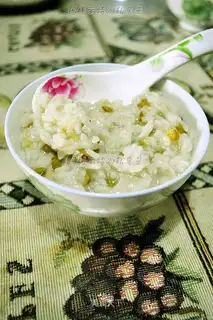 mung bean porridge
 Roasted duck meat with lotus root
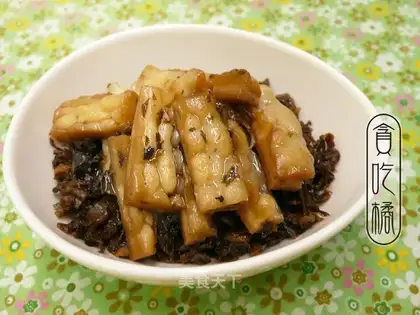 Plumbing with bitter melons