Introduction: Modern medicine believes that winter supplementation can enhance the body's immune function. It not only alleviates the feeling of cold but also regulates the body's metabolic processes, allowing energy to be stored to the maximum extent and laying a solid foundation for the body's health in the coming year.
1. Winter supplementation should be based on the principle of nourishing warmth.
In winter, one should focus on nourishing warmth, consuming less raw and cold food, but it is also not advisable to eat excessively hot and dry food. It is best to consume diets that nourish yin and suppress yang with relatively high heat, while also eating more fresh vegetables to prevent vitamin deficiencies. For example: beef, mutton, black-boned chicken, crucian carp. Drink more soy milk and milk, and eat more radishes, green vegetables, tofu, and wood ear mushrooms. Health preservation: Varies by individual and location.
Scallion Stir-fried Lamb
2. The colder it gets, the more water you should drink.
When people stay in warm rooms and seldom go out, it does not mean that the body's water consumption decreases. The winter climate is dry and the air humidity is low, so it is even more important to replenish fluids. If you don't drink enough water, your blood becomes more viscous, which can easily lead to symptoms like thrombosis and trigger cardiovascular and cerebrovascular diseases. Drinking more water in winter can also speed up metabolism and help to combat the cold.
3. Drinking alcohol doesn't warm you up; ginger black tea is a better choice.
Because the tiny blood vessels under the skin dilate rapidly due to alcohol, the blood cools down quickly as its surface area increases. Therefore, drinking alcohol can actually make you more susceptible to catching a cold. Experts suggest that ginger black tea is the best drink for warming the body in winter. The red pigment in black tea can help raise body temperature, and the ingredients in ginger have diuretic and sweat-inducing effects.
Ginger Black Tea
4. Sleeping before 11 PM is the most cost-effective supplement.
The simplest, cheapest, and best form of supplementation is to sleep early, no later than 11 PM each day. Experts emphasize that for the human body, night is equivalent to winter in nature. Nature needs to hibernate in winter, and humans need to sleep at night. 11 PM is the 'zi' hour, which is the winter of the human body. Only by sleeping can the body's yang energy be stored. When awake, the yang energy floats on the surface. Sleeping at this time replenishes the body's yin, essence, qi, blood, and yang energy.
5. Eat "hard" foods in the morning and "soft" foods at night.
The "hard" foods for breakfast don't actually refer to hard textures, but to foods that are rich in nutrients and high in energy. A good breakfast ensures the energy needed for daily activities. For example: lean meat, grain-based foods. However, the elderly with weaker digestive functions should also consider whether the food is easy to digest.
Mixed Vegetable and Grain Rice
After dinner, people's activity levels decrease. To avoid food accumulation, one should eat less and choose easily digestible foods, with congee being a good choice. It is best to avoid meat, spicy foods, etc. Drinking congee for dinner also has the effect of nourishing the stomach and calming the mind. It is recommended that the elderly can eat some yam congee, lotus seed congee, red date congee, etc.
6. Move your hands and feet, and go for more jogs.
Maintaining appropriate outdoor activities in winter helps regulate metabolic function. After the Start of Winter, the weather gradually turns colder, and the limbs become stiffer, so it is crucial to warm up before exercising. Start with a slow jog to make the body slightly sweaty before engaging in high-intensity fitness exercises. When exercising, the main focus should be on keeping warm to prevent colds. After exercising, put on clothes promptly to avoid catching a chill.
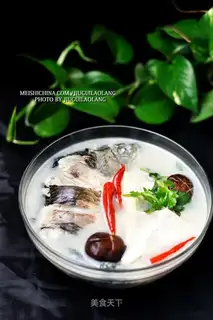
Crucian Carp Soup
The choice of exercise should also vary by individual. People with cardiovascular and cerebrovascular diseases should not engage in strenuous exercise, such as playing ball games. People with chronic bronchitis and other respiratory diseases should avoid stimulation from cold air. It is best to exercise in the morning or afternoon when there is plenty of sunlight to prevent inducing a disease flare-up.
7. Key areas to keep warm: the neck, back, abdomen, and feet.
These are areas that can easily lead to illness in winter. A cold neck can cause headaches and neck soreness. A cold back, for example, for those still sleeping on a cool mat, often leads to sneezing, nasal congestion, and even colds upon waking.
Keeping the abdomen warm is a key protective measure for women. To avoid menstrual cramps, irregular periods, and discomfort from cold, a warm abdomen is crucial. Finally, the feet contain many acupoints. Once they become cold and uncomfortable, it can trigger a conditioned reflex in the body, leading to various problems.
Sauced Tofu
 ginger black tea
 tofu with sauce
 squid soup
 lamb with fried green onions
 Time grain rice