Introduction: Although January marks the beginning of the year, it's not yet the season for spring buds to emerge. In the depths of winter, after eating too much meat, do you find yourself longing for the fresh, crisp, and tender taste of various fruits and vegetables? But in the cold month of January, what vegetables are the freshest? Then come and see what seasonal vegetables are available in January, so you can enjoy them tonight.
1. Lotus Root
It's currently the season for winter lotus roots. The fresh, white, round, and smooth lotus root is a common sight on people's dining tables during the winter. Lotus root has the effects of strengthening the spleen and nourishing the stomach, calming the mind, and relieving irritability and heat. Eating raw lotus root slices can also clear heat and generate fluids. You might try a congee made with 100g of fresh lotus root, 50g of rice, and an appropriate amount of sugar, which can help alleviate common winter symptoms like dry mouth, tongue, nose, and eyes, with very significant results.
Stewed Pork Ribs with Lotus Root
2. Zucchini
The season for zucchini is from October to the following February. Zucchini is rich in dietary fiber, relatively low in calories, digests slowly, and keeps you full for a long time, thus preventing overeating in winter. Zucchini also contains carotene, which is beneficial in fighting diseases like cancer and heart disease. Zucchini is the perfect partner for pasta; it can be added to various pasta dishes to reduce the total calorie intake from food, making it a rare and excellent vegetable for women who love to stay slim and beautiful!
3. Celery
Celery is a seasonal vegetable in January. It is slightly cold in nature, with a sweet and bitter taste, and is non-toxic. It is rich in protein, carbohydrates, carotene, B vitamins, calcium, phosphorus, iron, etc. The stems and leaves also contain medicinal ingredients like apigenin, bergapten, and volatile oil. Since its roots, stems, leaves, and seeds can all be used for medicinal purposes, it is known as "medicine in the kitchen" or "medicinal celery."
Shredded Pork with Celery
4. Winter Bamboo Shoots
As the deep winter arrives, it's the season for fresh winter bamboo shoots. Winter bamboo shoots contain ample moisture, rich plant protein, fat, carbohydrates, and a large amount of essential nutrients for the human body, such as carotene, vitamins B, C, E, and calcium, phosphorus, and iron. Regularly eating winter bamboo shoots can help absorb the grease from the food you eat each meal, reduce the absorption and accumulation of fat by the gastrointestinal mucosa, thereby achieving the goal of weight loss, and effectively reducing the occurrence of high-fat-related diseases.
5. Kale
Kale has the effects of promoting urination to resolve phlegm, expelling pathogenic heat, relieving fatigue and乏, clearing the mind, and brightening the eyes. In the winter season when colds are common, eating more kale is an effective preventive measure. Kale contains organic alkaloids, which give it a certain bitterness, stimulating the taste nerves to increase appetite and also speeding up gastrointestinal motility to aid digestion. The large amount of dietary fiber in kale can prevent constipation, lower cholesterol, soften blood vessels, and has the effect of preventing heart disease.
Boiled Kale
6. Pumpkin
Pumpkin is available from October to the following February. It is a "versatile" winter vegetable, suitable for steaming, roasting, stir-frying, or making soups. Its bright orange color comes from its rich beta-carotene, a powerful antioxidant that helps prevent heart disease and cancer. The pectin in pumpkin can also protect the gastric mucosa from irritation by coarse foods and promote ulcer healing, making it very suitable for patients with stomach problems. The components in pumpkin can promote bile secretion, enhance gastrointestinal motility, and help digest food.
7. Spinach
Spinach is sweet in taste and cool in nature. It benefits the five organs, resolves alcohol toxicity, moistens dryness and lubricates the intestines, nourishes blood to stop bleeding, clears heat and relieves irritability, generates fluids to quench thirst, and nourishes the liver to brighten the eyes. In addition, spinach is rich in vitamin E. Vitamin E is an antioxidant that can stop the oxidation process in the body and contribute to longevity. Therefore, eating more spinach has an immeasurable effect in delaying aging. A recent experiment by the U.S. Department of Agriculture showed that eating about 30 grams of fresh spinach daily has a better anti-aging effect than drinking three glasses of red wine.
Spinach and Egg Pancake
8. Watercress
From early winter to late spring is the season when watercress is at its most robust and tender. Watercress is sweet, cool, and non-toxic. It has therapeutic effects such as soothing the throat and moistening the lungs, resolving phlegm and stopping coughs, stimulating the appetite, relieving stagnation, cooling the blood, and promoting urination. It is beneficial for preventing and treating pharyngitis, tonsillitis, and other conditions caused by pathogenic dryness, and is very helpful for respiratory diseases like whooping cough and tuberculosis. Eating watercress can help people get through the end of the year peacefully, earning it the title "natural soup for clearing dryness and rescuing the lungs."
9. Broccoli
The season for broccoli is from September to the following June, and winter is the best time to eat it. In addition to being rich in basic nutrients like vitamins, minerals, and beta-carotene, broccoli also contains components like indole and glucosinolates, which help eliminate toxins, reduce the burden on the kidneys, and promote metabolism. Steaming is the best way to cook broccoli to retain more nutrients.
Stir-fried Broccoli with Shrimp
10. Chinese Cabbage
In the winter in northern China, Chinese cabbage is even a more common sight on the dining table, hence the saying "Chinese cabbage in winter is as delicious as bamboo shoots." Chinese cabbage has high nutritional value, leading to the saying "no vegetable is better than cabbage." It is slightly cold in nature and has the effects of clearing heat and relieving irritability, quenching thirst and promoting urination, smoothing the intestines, and clearing lung heat. In the dry winter weather, eating more cabbage can have a good effect of nourishing yin and moistening dryness, as well as nourishing the skin and beauty. The dietary fiber in Chinese cabbage is also very rich. Regular consumption can have a laxative effect, promote detoxification, and play a good role in preventing colon cancer.
11. Carrot
The best season to eat carrots is autumn and winter. It has effects in treating anemia, colds, constipation, high blood pressure, preventing cancer, strengthening the stomach, and beautifying the skin. Carrots are rich in beta-carotene, which is converted into vitamin A in the human body. It can be said that carrots are the best vegetable for supplementing vitamin A. Therefore, eating one carrot daily for a long time can protect the respiratory system, especially the lungs.
Carrot and Egg Pancake
12. White Radish
As the saying goes, "Eat radishes in winter and pears in autumn," which has a certain scientific basis. The season for white radish is from September to the following April. The vitamins and trace elements like zinc in white radish help enhance the body's immunity and resistance. Moreover, white radish has long been known as "little ginseng" because it is rich in saccharifying enzymes that promote gastrointestinal motility and digestion. If you eat too many greasy things in winter, you can occasionally eat some white radish to cut through the richness.
Stir-fried Shredded White Radish
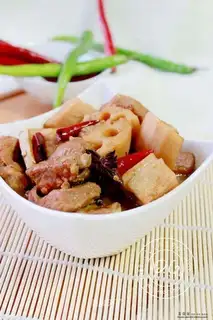 Stewed pork ribs with lotus root
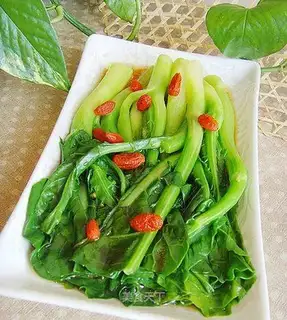 boiled kale
 carrot egg cake
 stir-fried shrimp with broccoli
 Spinach egg rolls
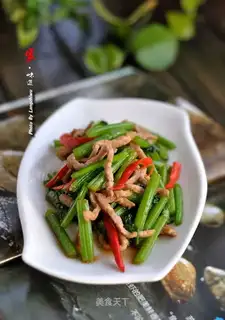 Celery
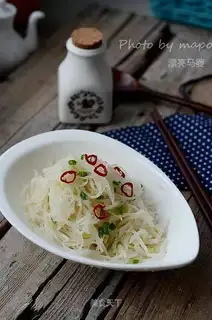 Piggy radish