Introduction: While delicacies are delicious, they are not necessarily healthy. In China's millennia-old culinary tradition, our ancestors left behind some local foods that, though seemingly unremarkable, contribute to health and longevity.
1. Pine nuts cleanse the intestines and nourish the skin. Pearl-like pine nuts, widely used in traditional imperial cuisine, have long been regarded as nourishing and strengthening. The rich oil content of pine nuts not only aids bowel movements but also moisturizes the skin. At the same time, pine nuts are a high-quality source of oil, containing polyunsaturated fatty acids that can reduce inflammation.
How to eat healthily: Pine nuts are high in calories. Sprinkle a small handful on your dishes.
Pine Nut Fish Rice
2. Garlic reduces inflammation and kills bacteria. In the era before antibiotics, garlic played a vital life-saving role. In the past, salt and garlic were essential for military campaigns; salt was used to supplement minerals, while garlic was used for sterilization and disease prevention. Recently, garlic has also been found to lower cholesterol. However, raw garlic is pungent and irritating, so people with gastritis, sore throat, hemorrhoids, red eyes, or acne should avoid eating it raw.
How to eat healthily: Avoid eating garlic on an empty stomach. You can boil, stir-fry, or make pickles with it to reduce its pungency. Alternatively, eating it with dumplings or noodles is less likely to irritate the stomach.
Golden Fragrant Garlic
3. Cabbage relieves coughs, reduces phlegm, and fights cancer. In winter, when all withers, cabbage remains as green as a pine tree and is widely popular. In Traditional Chinese Medicine, cabbage is believed to reduce fever, relieve heat, stop coughs, and dissolve phlegm. Modern science has discovered that cabbage is highly nutritious, comes in many varieties, and is available year-round, making it a popular anti-cancer superstar. Winter is an excellent season for eating cabbage; its abundant fiber and vitamin C can compensate for the lack of fruits and vegetables consumed during the cold months. However, people with a deficiency-cold constitution should not eat large amounts of raw, cold cabbage, such as in pickles.
How to eat healthily: When having a hot pot, don't forget to add plenty of cabbage to help balance the internal heat.
Braised Cabbage with Tofu
4. Porridge protects the stomach and replenishes vital energy. During the simmering process, the active ingredients in the food are released and dissolved into the broth, making it easy to digest and absorb, suitable for those with poor appetite or a weak body. The therapeutic effects of porridge are varied; for example, scallion porridge has a sterilizing effect, celery porridge can promote urination and bowel movements, and sprinkling green onions into hot poridge can help prevent colds... Additionally, porridge can help medicinal herbs achieve better efficacy. For instance, Chinese medicinal herbs like almonds and Poria must be consumed with porridge to maintain their effects and achieve better results.
How to eat healthily: Hot porridge is best. Cooking it with meat broth, vegetable broth, or vegetables to make a savory porridge is even better, allowing the nutritional essence of the food to be absorbed at once.
Shiitake Chicken Porridge
5. Kelp aids bowel movements without causing weight gain. Low in calories and rich in gelatin and minerals, kelp is a very suitable beauty and health food for modern people. Kelp is rich in soluble fiber, which is easier to digest and absorb than ordinary fiber, helping to promote smooth bowel movements. Its biggest advantage is its low calorie content, so it can be eaten as a late-night snack without worrying about weight gain, making it ideal for beauty-conscious women.
How to eat healthily: Kelp pairs best with vinegar; vinegar can soften kelp. You can try making a cold salad with kelp and vinegar. Adding ice cubes to kelp soup can enhance the sour taste of the vinegar, making the flavor more refreshing.
Mixed Kelp with Vermicelli
6. Buckwheat lowers blood pressure and aids sleep. Buckwheat contains powerful antioxidants that can lower blood lipids, enhance blood vessel elasticity, and prevent blood clotting, making it an excellent heart-healthy food. In addition, its effects on lowering blood pressure and promoting sleep are also very good. Buckwheat is also a great "intestinal cleanser," with a fiber content six times that of ordinary white rice, earning it the nickname "intestinal cleansing grass."
How to eat healthily: You can serve buckwheat noodles cold or in soup. You can also steam buckwheat with rice or cook it into a porridge.
Buckwheat Noodles with Soybean Paste
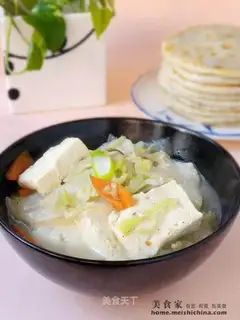 Stewed tofu with Chinese cabbage
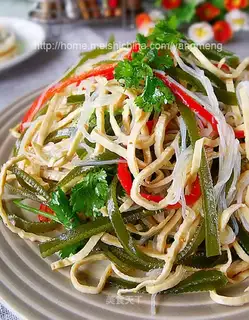 Kelp mixed vermicelli
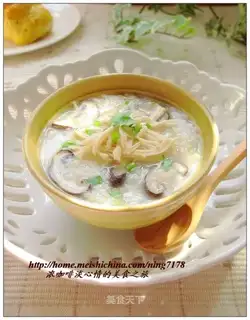 Mushroom and chicken porridge
 Pine Pine Fish Rice
 Golden garlic
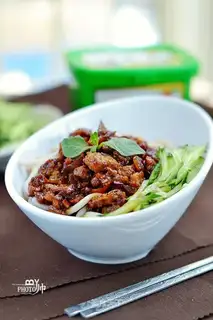 Wheat noodles