Due to work stress and irregular diet, our digestive systems have become fragile. It's safe to say that many people suffer from issues like stomach pain and bloating, especially office workers, who should pay close attention to this. Below, we recommend 5 foods to help alleviate gas and bloating.
1. Radish
In Traditional Chinese Medicine, radish is considered to have a cool nature, a sweet and pungent taste, and is non-toxic. It acts on the lung and stomach meridians, helping to eliminate food stagnation, resolve phlegm-heat, promote the downward flow of qi, relieve chest tightness, and detoxify. It is used to treat conditions like indigestion and bloating, phlegmatic cough with loss of voice, lung tuberculosis with hemoptysis, nausea, acid reflux, and more. Radish has a strong effect on promoting qi circulation. It can also relieve coughs and reduce phlegm, relieve dryness and promote fluid production, clear heat and detoxify, and promote bowel movements.
Radish can also boost the body's immunity and inhibit the growth of cancer cells, which is of great significance for cancer prevention and treatment. The B vitamins, potassium, magnesium, and other minerals in radish can promote gastrointestinal motility and help expel waste from the body. Regular consumption of radish can lower blood lipids, soften blood vessels, stabilize blood pressure, and prevent diseases such as coronary heart disease, arteriosclerosis, and cholelithiasis.
Pickled Radish
2. Hawthorn
Hawthorn is a unique tree in China, valued for both its medicinal properties and its fruit. It can lower blood lipids and blood pressure, strengthen the heart, and prevent arrhythmia. It is also an excellent remedy for strengthening the spleen and whetting the appetite, promoting digestion and resolving food stagnation, invigorating blood and resolving phlegm. It is very effective for symptoms like chest and diaphragm fullness, hernia, blood stasis, and amenorrhea. It is suitable for abdominal fullness and pain caused by qi trapping food, and is also effective for tachycardia and arrhythmia caused by emotional distress.
3. Fennel
Fennel is rich in vitamins B1, B2, C, PP, carotene, and dietary fiber. Its unique pungent aroma comes from fennel oil, which can stimulate the nerves and blood vessels of the stomach and intestines, making it beneficial for strengthening the stomach and regulating qi. Therefore, it is an excellent vegetable to pair with meat and fatty foods. Both the seeds and leaves of fennel have the effect of regulating qi. Using the leaves to make fillings or stir-fries can help regulate qi, strengthen the stomach, and relieve pain, providing good relief for abdominal fullness and pain caused by emotional distress.
Fennel and Broad Beans
4. Crucian Carp
The crucian carp is an omnivorous fish that mainly feeds on plants and tends to live in groups. Its meat is tender and highly nutritious, with every 100 grams containing 13 grams of protein and 11 grams of fat, as well as large amounts of minerals like calcium, phosphorus, and iron. Crucian carp has extremely high medicinal value. It is neutral in nature and sweet in taste, acting on the stomach and kidney meridians. It functions to harmonize the middle jiao, tonify deficiency, eliminate emaciation, warm the stomach to promote appetite, and tonify the middle jiao and generate qi.
5. Pork Tripe
Pork tripe is sweet and slightly warm in nature. The "Bencao Jing Shu" states: "Pork tripe is a key product for tonifying the spleen. When the spleen and stomach are nourished, the middle qi is strengthened, and diarrhea ceases... Nourishing the spleen and stomach will naturally generate essence and blood, and consumptive diseases will heal on their own." Therefore, it is commonly used in dietary therapy for tonifying the middle jiao and qi. It is used for conditions like consumptive emaciation, diarrhea due to spleen and stomach deficiency, frequent urination or enuresis, and infantile malnutrition (gan ji). It is often prepared with other medicinal foods, stuffed into the pork stomach, tied tightly, and then cooked or steamed. For example, to treat infantile emaciation, poor appetite due to spleen deficiency, and loose stools, it can be cooked with Codonopsis root, Atractylodes macrocephala, Job's tears, lotus seeds, and dried tangerine peel.
Tripe in Ginger Sauce
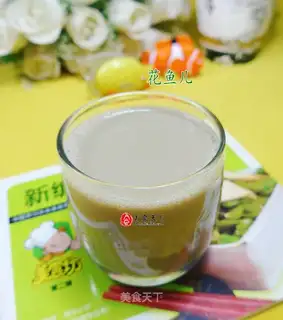 Coffee soy
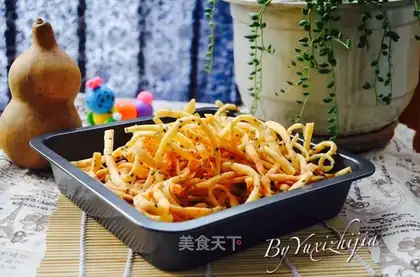 ♪ ♪ Dry-angles ♪
 Sugar Jelly Ridge