Introduction
Snow vegetable, scientifically known as Brassica juncea var. foliosa, is a leafy green vegetable widely cultivated in East Asia, particularly in China, Japan, and Korea. Named for its ability to thrive in cold, snowy winters—hence the nickname “winter vegetable”—it is celebrated not only for its unique, piquant flavor but also for its impressive nutritional profile and health-promoting properties. With a history dating back thousands of years in traditional Asian cuisine, snow vegetable has evolved from a humble winter staple to a global “superfood” recognized for its versatility and medicinal potential. This article explores the nutritional value of snow vegetable, its diverse health benefits, and important considerations for safe consumption, offering a comprehensive guide to this underappreciated culinary gem.
Nutritional Value of Snow Vegetable
Snow vegetable is a nutritional powerhouse, packed with vitamins, minerals, fiber, and bioactive compounds that contribute to overall health. Its dense nutrient profile makes it an excellent addition to a balanced diet.
1. Vitamins
Snow vegetable is exceptionally rich in fat-soluble and water-soluble vitamins. It provides a significant amount of vitamin K, essential for blood clotting and bone metabolism, with just 100 grams meeting over 100% of the daily recommended intake (DRI). It is also a potent source of vitamin C, a powerful antioxidant that supports immune function, skin health, and collagen synthesis. Additionally, snow vegetable contains vitamin A (in the form of beta-carotene), which is vital for vision, immune health, and cell growth.
2. Minerals
This vegetable is a good source of essential minerals, including calcium, crucial for bone and teeth health, and iron, which plays a key role in oxygen transport and energy production. It also provides potassium, which helps regulate blood pressure and fluid balance, and magnesium, important for muscle and nerve function.
3. Dietary Fiber
Snow vegetable is high in dietary fiber, particularly insoluble fiber, which promotes digestive health by preventing constipation and supporting a healthy gut microbiome. Fiber also aids in weight management by increasing satiety and reducing calorie intake.
4. Bioactive Compounds
One of the most notable components of snow vegetable is its high content of glucosinolates, sulfur-containing compounds that break down into bioactive substances like isothiocyanates when the vegetable is chewed or cooked. These compounds have been extensively studied for their anti-cancer, anti-inflammatory, and antioxidant properties. Snow vegetable also contains flavonoids, such as quercetin and kaempferol, which combat oxidative stress and reduce the risk of chronic diseases.
5. Low in Calories and Fat
With only approximately 20-30 calories per 100 grams, snow vegetable is an ideal food for weight-conscious individuals. It is also low in fat and contains no cholesterol, making it heart-healthy.
Health Benefits of Snow Vegetable
The combination of vitamins, minerals, and bioactive compounds in snow vegetable confers a wide range of health benefits, from boosting immunity to reducing the risk of chronic diseases.
1. Anti-Cancer Properties
The glucosinolates in snow vegetable are converted into isothiocyanates, which have been shown to inhibit the growth of cancer cells. These compounds work by neutralizing carcinogens, inducing apoptosis (programmed cell death) in cancer cells, and preventing tumor formation. Studies suggest that regular consumption of cruciferous vegetables like snow vegetable may reduce the risk of lung, breast, colon, and prostate cancers.
2. Anti-Inflammatory Effects
Chronic inflammation is linked to numerous health conditions, including heart disease, diabetes, and arthritis. Snow vegetable contains anti-inflammatory compounds such as vitamin C, flavonoids, and isothiocyanates, which help reduce inflammation by inhibiting pro-inflammatory enzymes and cytokines. This makes it beneficial for managing inflammatory conditions and promoting overall health.
3. Cardiovascular Health
Snow vegetable supports heart health in multiple ways. Its high potassium content helps regulate blood pressure by counteracting the effects of sodium. The fiber in snow vegetable lowers LDL (bad) cholesterol levels, reducing the risk of atherosclerosis. Additionally, the antioxidants in snow vegetable prevent oxidative damage to blood vessels, improving circulation and reducing the risk of heart disease.
4. Digestive Health
The fiber in snow vegetable promotes regular bowel movements and prevents constipation. It also acts as a prebiotic, feeding beneficial gut bacteria and maintaining a healthy balance of gut microbiota. A healthy gut microbiome is essential for digestion, nutrient absorption, and immune function.
5. Weight Management
Snow vegetable is low in calories but high in fiber and water content, making it filling and satisfying. This helps reduce overall calorie intake, aiding in weight loss and weight maintenance. Additionally, its low glycemic index (GI) means it does not cause rapid spikes in blood sugar, making it suitable for individuals with diabetes or those at risk of developing the condition.
6. Immune System Support
The high vitamin C content in snow vegetable is crucial for immune function. Vitamin C stimulates the production of white blood cells, which help fight infections, and enhances the activity of natural killer cells, which target viruses and cancer cells. Regular consumption of snow vegetable can therefore help strengthen the immune system and reduce the risk of colds, flu, and other infections.
7. Bone Health
Snow vegetable is an excellent source of vitamin K, which plays a key role in bone metabolism by regulating calcium absorption and activating proteins that form bone matrix. It also provides calcium and magnesium, which are essential for maintaining bone density and preventing osteoporosis.
Culinary Uses and Preparation
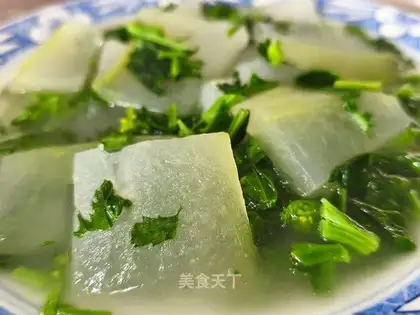
Snow vegetable’s unique flavor—slightly salty, piquant, and earthy—makes it a versatile ingredient in various cuisines. It can be eaten raw, pickled, stir-fried, steamed, or added to soups and stews.
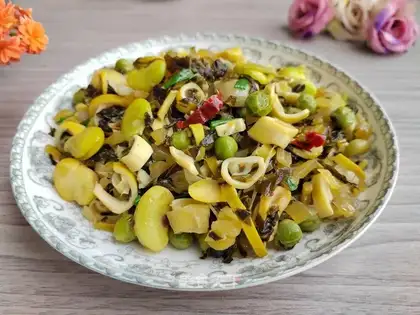
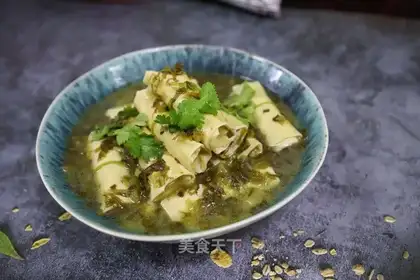
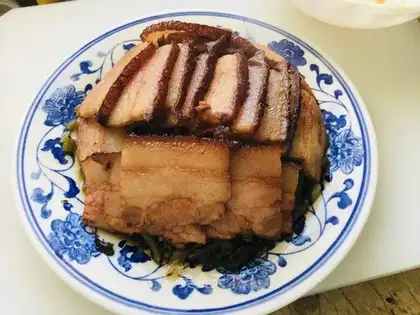
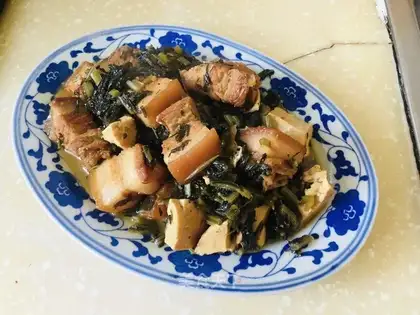
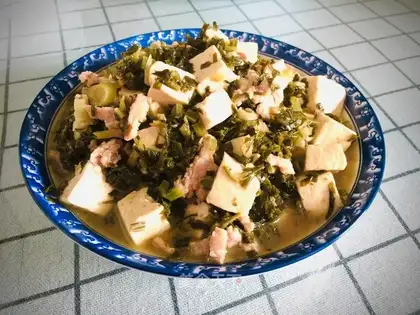
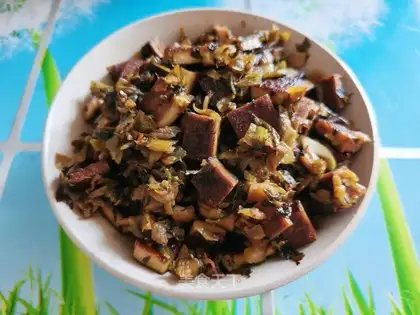
In Chinese cuisine, snow vegetable is often pickled with salt and spices, a preservation method that enhances its flavor and shelf life. Pickled snow vegetable is commonly used in stir-fries, noodle dishes, and soups, adding a tangy, savory note. It can also be blanched and served as a side dish or mixed with other vegetables in salads.
When preparing snow vegetable, it is important to wash it thoroughly to remove any dirt or sand. If using pickled snow vegetable, rinsing it under water can reduce its saltiness, making it more suitable for dishes that require a milder flavor. For those who prefer a less salty taste, fresh snow vegetable can be stir-fried with garlic, ginger, and a small amount of soy sauce for a simple and nutritious dish.
Precautions and Contraindications
While snow vegetable offers numerous health benefits, there are certain precautions to consider to ensure safe consumption.
1. High Oxalate Content
Snow vegetable contains oxalates, compounds that can bind to calcium and form kidney stones in susceptible individuals. People with a history of kidney stones or those at risk of developing them should consume snow vegetable in moderation and ensure adequate hydration to reduce oxalate absorption.
2. Goitrogenic Effects
Like other cruciferous vegetables, snow vegetable contains goitrogens, which can interfere with thyroid function by inhibiting the uptake of iodine. Individuals with thyroid disorders, such as hypothyroidism, should cook snow vegetable thoroughly, as cooking reduces goitrogen content. Moderate consumption is generally safe for most people, but those with thyroid issues should consult their healthcare provider.
3. High Sodium Content (Pickled Variety)
Pickled snow vegetable is high in sodium due to the salting process. Excessive sodium intake can increase blood pressure and raise the risk of heart disease. Individuals with hypertension or those on a low-sodium diet should limit their consumption of pickled snow vegetable and opt for fresh varieties instead.
4. Allergic Reactions
Although rare, some people may be allergic to snow vegetable, experiencing symptoms such as skin rashes, itching, or digestive discomfort. Those with known allergies to cruciferous vegetables should avoid snow vegetable or consult a healthcare professional before consuming it.
Conclusion
Snow vegetable is a nutrient-dense leafy green that offers a wide range of health benefits, from reducing the risk of chronic diseases to supporting digestive and immune health. Its rich content of vitamins, minerals, fiber, and bioactive compounds makes it a valuable addition to a healthy diet. However, it is important to consume it in moderation and take necessary precautions, especially for individuals with kidney problems, thyroid disorders, or high blood pressure.
Whether enjoyed fresh, pickled, or stir-fried, snow vegetable is a versatile and delicious ingredient that can enhance both the flavor and nutritional value of meals. As research continues to uncover its medicinal properties, snow vegetable is poised to become a staple in health-conscious diets worldwide. By incorporating this humble yet powerful vegetable into our daily meals, we can harness its potential to promote longevity and well-being.