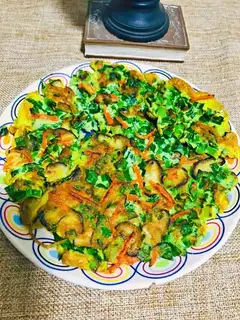
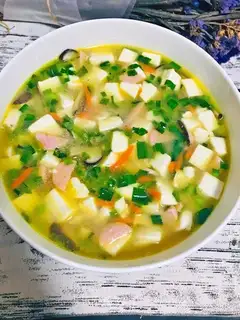
Wild garlic (Allium ursinum), also known as ramsons, bear’s garlic, or wood garlic, is a perennial herb native to Europe and parts of Asia. For centuries, it has been a staple in traditional medicine and cuisine, valued for its pungent aroma and distinctive flavor. Resembling lily of the valley but with a strong garlic-like scent, wild garlic grows in shaded woodlands, meadows, and riverbanks, often forming dense carpets in spring. Unlike its cultivated cousin (Allium sativum), wild garlic is foraged wild, offering a unique blend of nutrients and bioactive compounds. This article explores its nutritional profile, health benefits, and important precautions to ensure safe consumption.
Nutritional Profile of Wild Garlic
Wild garlic is a nutritional powerhouse, boasting an impressive array of vitamins, minerals, antioxidants, and sulfur compounds that contribute to its health-promoting properties.
Vitamins and Minerals
- Vitamin C: Wild garlic is exceptionally rich in vitamin C, containing up to 150 mg per 100 grams—nearly three times more than lemons. This potent antioxidant supports immune function, collagen synthesis, and skin health.
- Vitamin K: Abundant in vitamin K (around 300% of the daily value per 100 grams), wild garlic plays a critical role in blood clotting and bone metabolism.
- Folate: With approximately 90 mcg of folate per 100 grams, it supports cell division and DNA synthesis, making it particularly beneficial during pregnancy.
- Manganese and Iron: Wild garlic provides significant amounts of manganese (essential for antioxidant enzymes) and iron (vital for oxygen transport in the blood).
- Vitamin A and B Vitamins: It also contains beta-carotene (a precursor to vitamin A) and B vitamins like B6 and riboflavin, which aid energy metabolism and nervous system function.
Bioactive Compounds
The true potency of wild garlic lies in its sulfur-rich compounds, particularly allicin, alliin, and ajoene—responsible for its characteristic odor and medicinal effects. These compounds are formed when the plant’s cells are damaged (e.g., chewing or crushing), triggering enzymatic reactions. Allicin, for instance, exhibits potent antimicrobial, anti-inflammatory, and antioxidant properties. Additionally, wild garlic contains flavonoids (e.g., quercetin) and organosulfur compounds, which further enhance its therapeutic potential.
Health Benefits of Wild Garlic
Regular consumption of wild garlic is associated with a range of health benefits, backed by both traditional use and modern scientific research.
1. Cardiovascular Health Support
Wild garlic is a heart-healthy food, primarily due to its ability to lower cholesterol and blood pressure.
- Cholesterol Reduction: Sulfur compounds inhibit the activity of HMG-CoA reductase, an enzyme involved in cholesterol synthesis. Studies show that wild garlic can reduce total cholesterol and LDL (“bad”) cholesterol by up to 15–20% while increasing HDL (“good”) cholesterol.
- Blood Pressure Regulation: Allicin relaxes blood vessels by increasing nitric oxide production, which improves blood flow and reduces hypertension. A 2018 study in the Journal of Ethnopharmacology found that wild garlic extract significantly lowered systolic and diastolic blood pressure in hypertensive rats.
- Antithrombotic Effects: Ajoene in wild garlic prevents platelet aggregation, reducing the risk of blood clots and stroke.
2. Immune System Boost
The high vitamin C and allicin content in wild garlic makes it a natural immune enhancer. Vitamin C stimulates white blood cell production, while allicin exhibits broad-spectrum antimicrobial activity against bacteria, viruses, and fungi. For example, research published in Phytotherapy Research confirmed that wild garlic extracts inhibit the growth of Staphylococcus aureus and Escherichia coli, making it useful for preventing infections.
3. Anti-Inflammatory and Antioxidant Properties
Chronic inflammation and oxidative stress are underlying factors in many diseases, including arthritis, diabetes, and cancer. Wild garlic’s flavonoids and sulfur compounds neutralize free radicals and reduce inflammatory markers like TNF-α and IL-6. A 2020 study in Antioxidants found that wild garlic extract reduced oxidative stress in liver cells by 40%, highlighting its potential in preventing age-related diseases.
4. Digestive Health Improvement
Wild garlic stimulates digestive enzymes and promotes gut health. Its prebiotic fibers feed beneficial gut bacteria, while allicin balances gut microbiota by inhibiting harmful pathogens. Traditional medicine uses wild garlic to treat bloating, indigestion, and parasitic infections, with modern studies supporting its role in reducing symptoms of irritable bowel syndrome (IBS).
5. Potential Anti-Cancer Effects
Preliminary research suggests that wild garlic may help prevent cancer. Sulfur compounds like diallyl disulfide induce apoptosis (programmed cell death) in cancer cells and inhibit tumor angiogenesis (the formation of new blood vessels that feed tumors). A 2019 study in Oncology Reports found that wild garlic extract suppressed the growth of colon cancer cells by 60% in vitro, though human trials are needed to confirm these effects.
6. Detoxification Support
Wild garlic enhances liver function by activating detoxification enzymes like glutathione S-transferase. These enzymes help eliminate toxins, heavy metals, and carcinogens from the body. Its diuretic properties also promote kidney function, aiding in the excretion of waste products.
Culinary Uses and Preparation Tips
Wild garlic’s flavor is milder and more herbaceous than cultivated garlic, with hints of garlic, chives, and spinach. It is typically harvested in spring (April–June) when its leaves are tender. Common culinary uses include:
- Raw: Added to salads, pestos, or dips to retain nutrients.
- Cooked: Sautéed with vegetables, stirred into soups, or used as a garnish for pasta and fish.
- Infused: Blended into oils, vinegars, or butter for flavoring.
- Dried: Leaves can be dried and ground into a spice for year-round use.
To maximize health benefits, consume wild garlic raw or lightly cooked, as excessive heat can degrade heat-sensitive compounds like allicin.
Precautions and Potential Side Effects
While wild garlic is generally safe for most people, certain precautions must be taken to avoid adverse effects.
1. Toxic Look-Alikes
The most significant risk associated with wild garlic is misidentification. It resembles highly toxic plants like lily of the valley (Convallaria majalis) and autumn crocus (Colchicum autumnale), which can cause severe poisoning or death. Key distinguishing features of wild garlic include:
- Garlic-like odor: Crush a leaf to confirm the signature smell.
- Broad, pointed leaves: Unlike the smooth, oval leaves of lily of the valley.
- Star-shaped white flowers: Blooming in clusters (April–June), unlike lily of the valley’s bell-shaped flowers.
Foragers should always consult a field guide or expert before harvesting wild garlic.
2. Blood-Thinning Effects
Wild garlic’s antithrombotic properties may increase the risk of bleeding when combined with blood-thinning medications (e.g., warfarin, aspirin) or herbs like ginkgo biloba. Individuals on such medications should consult a healthcare provider before consuming wild garlic regularly.
3. Digestive Discomfort
In sensitive individuals, high doses of wild garlic may cause stomach upset, heartburn, or diarrhea due to its sulfur content. Start with small amounts (1–2 leaves) to assess tolerance.
4. Pregnancy and Breastfeeding
While moderate consumption is likely safe, pregnant and breastfeeding women should avoid large quantities of wild garlic, as its medicinal effects (e.g., blood pressure modulation) may pose risks. Consulting a doctor is advisable.
5. Allergic Reactions
Rare cases of allergic reactions (e.g., skin rash, difficulty breathing) have been reported. Individuals allergic to garlic, onions, or other Allium species should exercise caution.
Conclusion
Wild garlic is a nutrient-dense herb with a rich history in traditional medicine and modern wellness. Its impressive array of vitamins, minerals, and bioactive compounds supports cardiovascular health, immune function, digestion, and antioxidant defense. However, its safe consumption hinges on proper identification, moderation, and awareness of potential interactions with medications. When foraged or purchased responsibly, wild garlic can be a valuable addition to a healthy diet, offering both culinary delight and therapeutic benefits. As with any natural remedy, balance and caution are key to unlocking its full potential while minimizing risks.
In a world where processed foods dominate, wild garlic stands as a testament to the power of nature—reminding us that the most potent remedies often grow wild, waiting to be discovered.