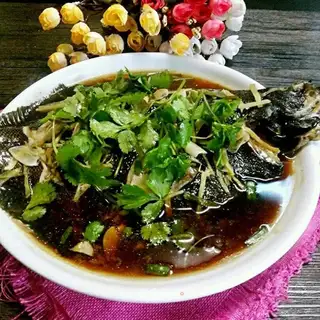
Turbot, commonly known as "opium fish" in some regions due to its mild sedative-like aroma when cooked, is a flatfish highly prized in culinary circles for its delicate flavor, tender flesh, and versatility. Scientifically classified as Psetta maxima, turbot belongs to the Scophthalmidae family and is native to the coastal waters of the North Atlantic, the Baltic Sea, and the Mediterranean. Today, it is also widely farmed in countries like China, Spain, and Norway, making it accessible to global consumers. Beyond its gastronomic appeal, turbot is a nutrient-dense food that offers a range of health benefits. However, like all seafood, it must be consumed with awareness of potential risks and precautions. This article explores the nutritional profile, health benefits, and important considerations for including turbot in a balanced diet.
I. Nutritional Value of Turbot
Turbot is a nutritional powerhouse, rich in high-quality protein, essential vitamins, and minerals, while being relatively low in calories and unhealthy fats. Its nutritional composition makes it an excellent choice for individuals seeking to maintain a healthy diet or meet specific nutrient needs.
1. High-Quality Protein
Protein is a macronutrient vital for building and repairing tissues, supporting immune function, and maintaining muscle mass—especially important for athletes, older adults, and those recovering from illness. Turbot provides approximately 18-20 grams of protein per 100-gram serving, with a complete amino acid profile that includes all nine essential amino acids the body cannot produce independently. This makes it a "complete protein" source, comparable to meat, poultry, and dairy, but with less saturated fat.
2. Essential Fatty Acids
While turbot is leaner than fatty fish like salmon or mackerel, it still contains beneficial omega-3 fatty acids, particularly eicosapentaenoic acid (EPA) and docosahexaenoic acid (DHA). These polyunsaturated fats play a critical role in reducing inflammation, supporting brain health, and lowering the risk of cardiovascular disease. A 100-gram serving of turbot provides around 0.3-0.5 grams of omega-3s, a modest but valuable contribution, especially for individuals aiming to balance their omega-3 to omega-6 ratio.
3. Vitamins
Turbot is a good source of several key vitamins:
- Vitamin B12: Essential for nerve function, DNA synthesis, and red blood cell formation. A 100-gram serving of turbot can provide over 50% of the daily recommended intake (DRI) of B12, making it particularly beneficial for vegetarians or vegans who may lack this nutrient from plant sources.
- Vitamin D: Often called the "sunshine vitamin," vitamin D is crucial for calcium absorption, bone health, and immune regulation. Turbot contains moderate amounts of vitamin D, with farmed varieties sometimes enriched through feed to boost levels further.
- Vitamin B6: Supports metabolism, brain development, and neurotransmitter production. Turbot provides about 15-20% of the DRI per serving.
- Niacin (Vitamin B3): Aids in energy metabolism and skin health. Turbot contributes roughly 20% of the DRI per 100 grams.
4. Minerals
The mineral content of turbot further enhances its nutritional value:
- Selenium: A powerful antioxidant that protects cells from damage, supports thyroid function, and boosts immunity. Turbot is one of the best dietary sources of selenium, with a single serving providing 30-50% of the DRI.
- Phosphorus: Works with calcium to maintain strong bones and teeth, and is involved in energy production and cell repair.
- Magnesium: Supports muscle and nerve function, blood sugar control, and blood pressure regulation.
- Iron: While not as high as in red meat, turbot contains heme iron (more easily absorbed than non-heme iron), making it a useful iron source for individuals with mild deficiencies.
- Zinc: Essential for immune function, wound healing, and DNA synthesis.
5. Low in Calories and Unhealthy Fats
With only 90-100 calories per 100 grams, turbot is an ideal choice for weight management diets. It is low in saturated fat (less than 1 gram per serving) and contains no trans fats, making it a heart-healthy alternative to fattier protein sources.
II. Health Benefits of Turbot Consumption
The combination of turbot’s nutrients confers several health benefits, ranging from improved heart and brain health to enhanced immune function and better metabolic health.
1. Supports Cardiovascular Health
The omega-3 fatty acids in turbot (EPA and DHA) help reduce triglycerides (a type of blood fat linked to heart disease), lower blood pressure, and decrease the risk of arrhythmias (irregular heartbeats). Additionally, turbot’s low saturated fat content and selenium levels (which reduce oxidative stress in blood vessels) further protect against atherosclerosis (hardening of the arteries) and stroke.
2. Promotes Brain and Mental Health
DHA, a key omega-3 in turbot, is a major structural component of the brain and retina. Regular intake of DHA has been associated with improved cognitive function, a reduced risk of age-related cognitive decline, and a lower likelihood of depression. Studies also suggest that omega-3s may enhance memory and focus, making turbot a valuable food for students, busy professionals, and older adults.
3. Enhances Immune Function
Selenium and vitamin D in turbot play synergistic roles in immune health. Selenium boosts the activity of antioxidant enzymes that neutralize harmful free radicals, while vitamin D regulates immune cell activity and reduces inflammation. Together, they help the body fight infections, from the common cold to more serious illnesses.
4. Aids in Muscle Growth and Repair
The high-quality protein in turbot provides the amino acids needed for muscle synthesis, making it an excellent food for athletes, individuals recovering from surgery, or older adults at risk of sarcopenia (age-related muscle loss). Protein also promotes satiety, helping to control appetite and support weight management.
5. Supports Bone and Teeth Health
Turbot’s phosphorus and vitamin D content work together to maintain bone density. Vitamin D enhances calcium absorption, while phosphorus forms the structural framework of bones and teeth. For children, adolescents, and postmenopausal women (who are at higher risk of osteoporosis), regular turbot consumption can contribute to long-term skeletal health.
6. Regulates Metabolism and Blood Sugar
B vitamins (B6, B12, and niacin) in turbot are essential for converting food into energy. They help metabolize carbohydrates, fats, and proteins, ensuring the body uses nutrients efficiently. Additionally, magnesium in turbot improves insulin sensitivity, which may help prevent type 2 diabetes or manage blood sugar levels in individuals with the condition.
III. Precautions and Potential Risks of Turbot Consumption
While turbot is a nutritious food, certain precautions must be taken to avoid adverse effects. These include concerns about mercury contamination, sustainability, food safety, and individual health conditions.
1. Mercury Contamination
Like many predatory fish, turbot contains trace amounts of mercury, a heavy metal that can accumulate in the body over time and harm the nervous system, particularly in developing fetuses, young children, and pregnant women. To minimize risk:
- Choose low-mercury sources: Farmed turbot generally has lower mercury levels than wild-caught varieties, as farmed fish are fed controlled diets.
- Limit consumption: The U.S. Food and Drug Administration (FDA) recommends that adults eat 2-3 servings of low-mercury fish per week, with one serving being approximately 4 ounces (113 grams). Pregnant women, nursing mothers, and young children should limit intake to 1-2 servings per week.
2. Sustainability and Environmental Impact
Overfishing of wild turbot has led to declining populations in some regions, disrupting marine ecosystems. To support sustainable seafood practices:
- Opt for farmed turbot: Look for certifications from the Aquaculture Stewardship Council (ASC) or the Marine Stewardship Council (MSC), which ensure that farming or fishing methods are environmentally responsible.
- Avoid overfished stocks: Check regional seafood guides to avoid turbot caught from depleted populations (e.g., some North Atlantic wild stocks).
3. Food Safety and Allergies
- Freshness and storage: Turbot is highly perishable and should be consumed within 1-2 days of purchase. Store it at 0-4°C (32-39°F) and avoid cross-contamination with raw meats or poultry.
- Allergies: While fish allergies are less common than shellfish allergies, some individuals may be allergic to turbot. Symptoms can range from mild (hives, itching) to severe (anaphylaxis). Those with known fish allergies should avoid turbot entirely.
4. Purine Content
Turbot contains moderate levels of purines, natural compounds that break down into uric acid. In individuals with gout or a history of kidney stones, high uric acid levels can trigger painful flare-ups or stone formation. Such individuals should limit turbot intake and consult a healthcare provider for personalized advice.
5. Cooking Methods Matter
The health benefits of turbot can be negated by unhealthy cooking methods. Frying or adding excessive butter, oil, or high-sodium sauces increases calorie, fat, and sodium content. To maximize nutritional benefits:
- Grill, bake, or steam: These methods preserve omega-3s and vitamins without adding unhealthy fats.
- Use herbs and spices: Flavor turbot with lemon, garlic, dill, or black pepper instead of salt or creamy sauces.
IV. Conclusion
Turbot is a nutrient-rich seafood that offers a host of health benefits, from supporting heart and brain health to boosting immunity and aiding muscle repair. Its high protein content, essential fatty acids, and abundance of vitamins and minerals make it a valuable addition to a balanced diet. However, mindful consumption is key: choosing sustainable and low-mercury sources, practicing safe food handling, and adapting cooking methods to preserve nutritional value are all crucial steps.
For most people, including turbot 1-2 times per week can be a delicious and healthy way to diversify protein intake and meet nutrient needs. By understanding its benefits and precautions, consumers can enjoy turbot as a safe, sustainable, and nourishing choice for long-term health. Whether grilled with herbs, baked with lemon, or steamed with vegetables, turbot exemplifies how seafood can be both a culinary delight and a cornerstone of a healthy lifestyle.