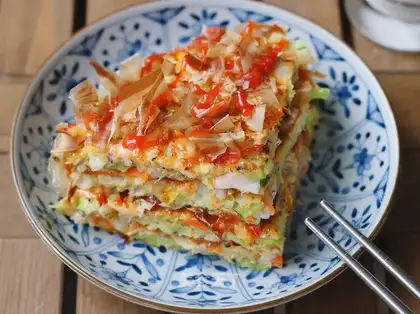
We all know the importance of breakfast, but it is often difficult to make breakfast easy and eat good nutrition. A few days ago, Dr. Zhang Wen Hong raised the topic “No porridge for breakfast”, which has given rise to much debate and renewed awareness that it is better to eat breakfast rather than eat it, and to be balanced in nutrition. Today we are introducing you to a balanced and delicious breakfast — the Japanese Osaka burning. It costs about five bucks to make a pan, 10 minutes to the table, which suits the taste of the country, and even the crayons in the cartoons. Osaka's burning, translated as a “conservative burning”, is actually a Japanese vegetable pie, which often includes materials such as meat, seafood, eggs, flour and so on, also known as “daily pizzas”, because they are cheap and delicious and one of the most popular street snacks. This traditional Osaka fever, with a yellow and yellow face, with sweet ketchup or salad sauce, and a thin piece of wood, with a bite of cabbage, a soft slug of shrimp and salty fragrance of seaweed, is better than the octopus octopus pellets. Let's see how it works。
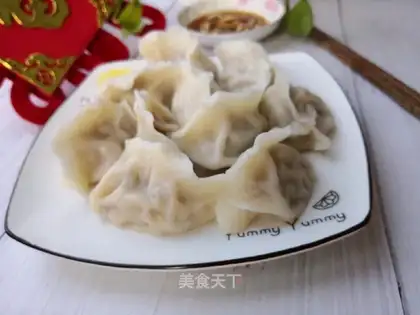
How the hell are you gonna wrap that sour dumpling? What's so special about it and other dumplings? In particular, it's because sour can't go with soy sauce, especially sour sauce, which is bitter and not good, so the sour sauce can't be put in the sour sauce when it's ready, and it's added to the soy sauce, making it taste better. Sour sauce can't be short of pork either, because it's more popular, and if there's less sour sauce, then the sour sauce will eat wood, and it won't taste good, and pork can't be too thin, and there's some fat in it, and how do we fix this sour pie? Let's take a look。
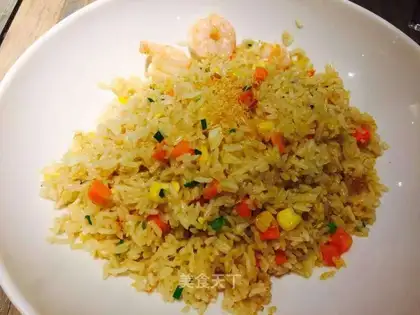
Jianzhou fried rice, also known as Jianzhou egg fried rice, is a classic food in Jiangsuyan. The Yingzhou rice selection focuses on colouring, making fine, making fine, and then making it, with clear particles, softness and hardness, full colour, tenderness and smoothness, and delicious spices. The canal culture produced a cuisine of rice, which, after continuous improvement by successive cooks, moved to the world along the “Sea Silk Road” and became one of the representative staples of China's diet。