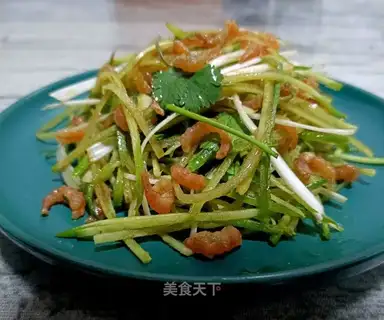
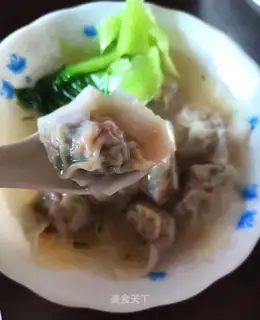
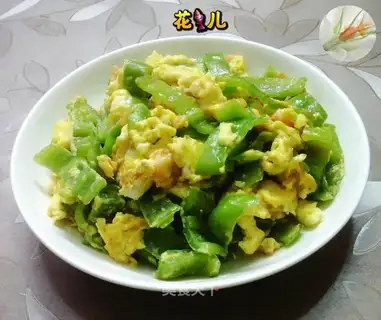
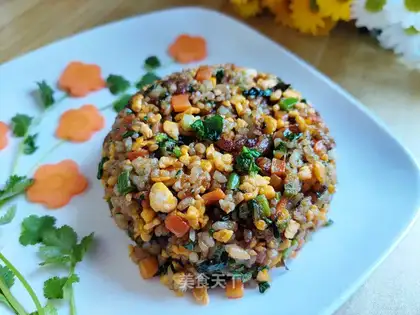
Dried shrimp, known as "hai mi" (海米) in Chinese or "dried tiny shrimp" in English, is a staple ingredient in Asian cuisines and a growing global favorite. This small, sun-dried seafood delicacy packs a punch of flavor, nutrients, and culinary versatility. For centuries, it has been prized not only for its ability to enhance dishes with umami depth but also for its potential health benefits. However, like all concentrated foods, dried shrimp comes with important considerations for consumption. This article explores the nutritional profile of dried shrimp, its scientifically supported health benefits, and the precautions one should take to enjoy it safely.
I. Nutritional Profile: A Concentrated Source of Essential Nutrients
Dried shrimp is a nutritional powerhouse, offering a dense concentration of protein, vitamins, and minerals in a small serving. Unlike fresh shrimp, which contains about 80–85% water, dried shrimp has most of its water removed, concentrating its nutrients by weight. A 100-gram serving of dried shrimp (roughly 1 cup) typically contains:
1. High-Quality Protein
Protein is essential for muscle repair, immune function, and enzyme production. Dried shrimp provides approximately 40–50 grams of protein per 100 grams, making it one of the richest plant-based and animal-based protein sources. Its protein is "complete," containing all nine essential amino acids (lysine, leucine, valine, etc.) that the human body cannot synthesize on its own. This makes it particularly valuable for vegetarians or individuals looking to reduce meat consumption without compromising protein intake.
2. Minerals: Calcium, Iron, Zinc, and Selenium
Dried shrimp is a standout source of minerals, many of which are lacking in modern diets:
- Calcium: With 500–600 mg per 100 grams, dried shrimp rivals dairy products as a calcium source. Calcium is critical for bone health, nerve function, and muscle contraction. For lactose-intolerant individuals or those avoiding dairy, it offers a valuable alternative.
- Iron: Each 100-gram serving contains 5–7 mg of iron, primarily in the heme form (more easily absorbed than non-heme iron from plants). Iron is essential for oxygen transport in the blood and preventing anemia.
- Zinc: At 3–5 mg per 100 grams, dried shrimp supports immune function, wound healing, and DNA synthesis. Zinc deficiency is linked to weakened immunity and slow growth in children.
- Selenium: A potent antioxidant, selenium is abundant in dried shrimp (50–70 micrograms per 100 grams), exceeding the daily recommended intake (55 micrograms for adults). It protects cells from oxidative damage and supports thyroid health.
3. Vitamins: B12 and Niacin
Dried shrimp is one of the few non-animal (and non-fortified) sources of vitamin B12, a nutrient crucial for nerve function and red blood cell formation. Vegetarians and vegans often struggle to obtain B12, making dried shrimp a rare option for those open to occasional seafood. It also provides significant niacin (vitamin B3), which aids energy metabolism and skin health.
4. Low in Fat, Rich in Omega-3s
While dried shrimp is low in total fat (1–2 grams per 100 grams), it contains heart-healthy omega-3 fatty acids, particularly EPA and DHA. These fats reduce inflammation, lower triglycerides, and support brain health. A small serving (10–15 grams) can contribute to the recommended weekly intake of omega-3s.
5. Umami Compounds
The drying process intensifies the natural umami in shrimp, thanks to glutamate and other amino acids. Umami enhances flavor, reducing the need for excessive salt or artificial seasonings in cooking—a boon for heart health.
II. Health Benefits: From Bone Strength to Immune Support
The nutrient density of dried shrimp translates to several evidence-based health benefits:
1. Promotes Bone and Dental Health
The high calcium and phosphorus content in dried shrimp works synergistically to build and maintain strong bones and teeth. Phosphorus aids calcium absorption and mineralization of bone tissue. Regular consumption may reduce the risk of osteoporosis, especially in older adults and postmenopausal women.
2. Supports Muscle Maintenance and Weight Management
As a low-calorie, high-protein food (approximately 300 calories per 100 grams), dried shrimp helps preserve muscle mass during weight loss or aging. Protein increases satiety, reducing overall calorie intake, and boosts metabolism through the "thermic effect of food" (energy required to digest protein).
3. Boosts Immune Function
The combination of zinc, selenium, and vitamin B12 in dried shrimp strengthens the immune system. Zinc activates T-cells (key immune cells), while selenium neutralizes free radicals that can damage immune cells. Vitamin B12 supports the production of white blood cells, enhancing the body’s ability to fight infections.
4. Enhances Brain Health
Omega-3 fatty acids (EPA and DHA) in dried shrimp are vital for brain development and cognitive function. Studies link omega-3 intake to a reduced risk of age-related cognitive decline, depression, and Alzheimer’s disease. Selenium also plays a role in protecting the brain from oxidative stress.
5. Supports Thyroid Function
Selenium is a cofactor for enzymes that activate thyroid hormones, which regulate metabolism, growth, and body temperature. Adequate selenium intake may prevent thyroid disorders, such as Hashimoto’s thyroiditis or hypothyroidism.
6. Improves Iron Status and Energy Levels
The heme iron in dried shrimp is highly bioavailable, making it effective for treating iron deficiency anemia. Iron deficiency causes fatigue, weakness, and poor concentration; regular consumption of dried shrimp can help restore iron levels and boost energy.
III. Precautions and Potential Risks
While dried shrimp is nutritious, its concentrated nature and processing methods require mindful consumption:
1. High Sodium Content
Drying often involves salting to preserve the shrimp, resulting in high sodium levels (1,000–2,000 mg per 100 grams). Excess sodium can raise blood pressure and increase the risk of heart disease and stroke. Precaution: Rinse dried shrimp under warm water before use to remove surface salt, and limit intake to 10–15 grams (2–3 teaspoons) per day. Individuals with hypertension or kidney disease should consult a doctor.
2. Purine Content and Gout Risk
Dried shrimp is high in purines (compounds that break down into uric acid). In people with gout or hyperuricemia, excess purines can trigger painful joint inflammation. Precaution: Gout sufferers should avoid dried shrimp or consume it sparingly (≤5 grams per serving). Those with a history of kidney stones (often caused by uric acid) should also limit intake.
3. Heavy Metal Contamination
Shrimp, especially smaller varieties used for drying, can accumulate heavy metals like mercury, cadmium, and lead from polluted waters. Chronic exposure to these metals harms the kidneys, nervous system, and liver. Precaution: Choose reputable brands that source shrimp from clean waters (e.g., certified sustainable fisheries) and limit consumption to 2–3 times per week.
4. Allergies
Shrimp is a common allergen, and dried shrimp retains the proteins that trigger allergic reactions (e.g., tropomyosin). Symptoms range from hives and itching to anaphylaxis in severe cases. Precaution: Individuals with shellfish allergies must avoid dried shrimp entirely. Cross-contamination is also a risk—use separate utensils and cutting boards when preparing dishes with dried shrimp.
5. Additives and Preservatives
Some commercial dried shrimp contains artificial preservatives (e.g., sulfites) or color enhancers (e.g., sodium metabisulfite) to extend shelf life. These additives may cause adverse reactions in sensitive individuals (e.g., asthma attacks or headaches). Precaution: Read labels carefully and opt for "additive-free" or "naturally dried" varieties.
6. Choking Hazard for Children
Dried shrimp is hard and chewy, posing a choking risk for young children. Precaution: Chop dried shrimp finely before adding to dishes for children, or avoid giving it to toddlers under 4 years old.
IV. Culinary Uses: Incorporating Dried Shrimp into a Healthy Diet
Dried shrimp’s versatility makes it easy to include in meals:
- Soups and Stews: Add a handful to congee, miso soup, or vegetable broth for umami depth.
- Stir-fries: Soak in water for 10 minutes, then chop and sauté with garlic, vegetables, or tofu.
- Salads and Grain Bowls: Sprinkle rehydrated dried shrimp over quinoa, brown rice, or leafy greens for protein and crunch.
- Sauces and Dressings: Blend into pesto, vinaigrette, or dipping sauces for extra flavor.
- Seasoning: Grind into a powder to use as a salt substitute for seasoning popcorn, roasted nuts, or roasted vegetables.
Conclusion
Dried shrimp is a nutrient-dense ingredient that offers a unique blend of protein, minerals, and health benefits. From supporting bone strength and immune function to enhancing brain health, its potential advantages are significant. However, its high sodium, purine, and heavy metal content require moderation and careful selection. By choosing high-quality products, rinsing to reduce sodium, and being mindful of individual health conditions, dried shrimp can be a valuable and delicious addition to a balanced diet. As with all foods, the key to enjoying dried shrimp lies in knowledge, moderation, and culinary creativity.