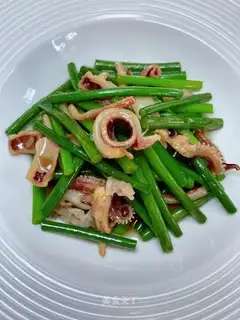
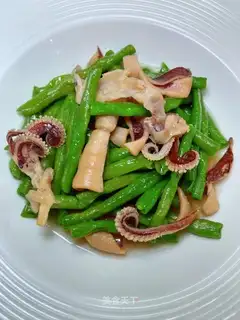
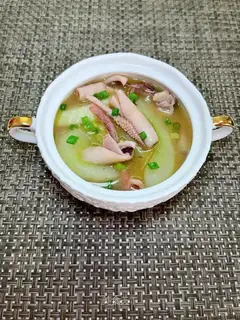
Dried squid, a staple in coastal cuisines across Asia, the Mediterranean, and Latin America, has been prized for centuries not only for its rich, umami flavor but also for its impressive nutritional profile. As a preserved form of fresh squid, it undergoes a dehydration process that concentrates its nutrients, making it a potent source of protein, vitamins, and minerals. Beyond its culinary versatility—used in soups, stir-fries, salads, and snacks—dried squid offers a range of health benefits, from supporting muscle growth to boosting immune function. However, like many traditional foods, it must be consumed mindfully to avoid potential risks. This article explores the nutritional value, health benefits, and precautions associated with dried squid, providing a comprehensive guide for incorporating this delicacy into a balanced diet.
Nutritional Value of Dried Squid
Dried squid is a nutritional powerhouse, with its dehydration process amplifying the concentration of key nutrients compared to fresh squid. A 100-gram serving of dried squid typically contains:
- Protein: Approximately 60–70 grams, making it one of the richest plant-based (or animal-based) protein sources. Protein is essential for muscle repair, enzyme production, and immune function, and dried squid’s complete amino acid profile (containing all nine essential amino acids) makes it particularly valuable for vegetarians and athletes.
- Minerals: It is loaded with essential minerals, including iron (15–20 mg per 100g), which is crucial for hemoglobin formation and preventing anemia; zinc (5–7 mg), which supports immune health and wound healing; phosphorus (500–600 mg), vital for bone and teeth health; and selenium (50–70 mcg), a powerful antioxidant that protects cells from damage.
- Vitamins: Dried squid is a good source of vitamin B12 (3–5 mcg per 100g), which is rare in plant-based foods and essential for nerve function and DNA synthesis. It also contains vitamin B6, niacin, and riboflavin, which aid in energy metabolism and brain health.
- Healthy Fats: While low in fat overall, dried squid contains omega-3 fatty acids (EPA and DHA), which support heart health, reduce inflammation, and promote brain development.
- Low Carbohydrates: With minimal carbs (5–10g per 100g), dried squid is an excellent choice for low-carb or ketogenic diets.
The dehydration process not only preserves these nutrients but also enhances their bioavailability, making it easier for the body to absorb and utilize them.
Health Benefits of Dried Squid
The dense nutritional composition of dried squid translates into a range of health benefits, making it more than just a tasty ingredient.
1. Supports Muscle Growth and Repair
With its high protein content and complete amino acid profile, dried squid is an ideal food for muscle maintenance and repair. Leucine, an essential amino acid abundant in dried squid, stimulates muscle protein synthesis, making it particularly beneficial for athletes, bodybuilders, and older adults at risk of sarcopenia (age-related muscle loss).
2. Boosts Immune Function
Dried squid is rich in zinc and selenium, minerals that play critical roles in immune health. Zinc deficiency impairs immune cell function, increasing susceptibility to infections, while selenium enhances the activity of antioxidants that protect immune cells from oxidative stress. Additionally, vitamin B12 supports the production of white blood cells, further strengthening the body’s defenses.
3. Promotes Heart Health
The omega-3 fatty acids (EPA and DHA) in dried squid help reduce triglyceride levels, lower blood pressure, and decrease the risk of arrhythmias, all of which contribute to a healthier cardiovascular system. Moreover, its low saturated fat content and high protein make it a heart-healthy alternative to processed meats.
4. Enhances Cognitive Function
Dried squid’s omega-3s and vitamin B12 are linked to improved brain health. DHA, a primary omega-3 in squid, is a major structural component of the brain and retina, supporting memory, focus, and overall cognitive function. Vitamin B12 deficiency, on the other hand, is associated with memory loss and neurodegenerative diseases, making dried squid a valuable food for maintaining brain vitality.
5. Supports Bone Health
Dried squid is an excellent source of phosphorus and calcium, minerals that work together to build and maintain strong bones and teeth. Phosphorus accounts for about 1% of body weight and is essential for bone mineralization, while calcium provides structural support. A 100-gram serving of dried squid can meet up to 60% of the daily phosphorus requirement, making it a beneficial addition to diets for preventing osteoporosis.
6. Aids in Weight Management
High in protein and low in calories, dried squid promotes satiety, helping to curb overeating and support weight loss goals. Protein takes longer to digest than carbohydrates, keeping you full for longer, and its thermic effect (the energy used to digest food) is higher than that of fats or carbs, further boosting metabolism.
Potential Risks and Precautions
While dried squid offers numerous health benefits, it is important to consume it in moderation and be aware of potential risks, particularly due to its processing methods and natural composition.
1. High Sodium Content
Many commercially available dried squid products are salted or seasoned during processing to enhance flavor and extend shelf life. A 100-gram serving can contain 1,500–3,000 mg of sodium, far exceeding the World Health Organization’s (WHO) recommended daily limit of 2,000 mg. Excessive sodium intake is linked to high blood pressure, heart disease, and stroke. To mitigate this, opt for unsalted or low-sodium varieties and rinse the squid before consumption to reduce sodium levels.
2. Risk of Heavy Metal Contamination
Squid, like many seafood, can accumulate heavy metals such as mercury and cadmium from ocean water. While dried squid is generally lower in mercury than large predatory fish (e.g., tuna or swordfish), long-term consumption of contaminated products may pose health risks, especially for pregnant women, children, and individuals with compromised immune systems. Choose reputable brands that source squid from clean, regulated waters and check for third-party testing reports.
3. High Cholesterol Content
Dried squid is relatively high in cholesterol (300–400 mg per 100g), though recent research suggests that dietary cholesterol has less impact on blood cholesterol levels than saturated and trans fats. However, individuals with hypercholesterolemia or heart disease should limit their intake and consult a healthcare provider.
4. Purine Content and Gout Risk
Dried squid is rich in purines, compounds that break down into uric acid in the body. High uric acid levels can trigger gout, a painful form of arthritis, in susceptible individuals. Those with a history of gout or kidney stones should avoid excessive consumption or opt for low-purine alternatives.
5. Additives and Preservatives
Some commercially dried squid products contain artificial additives such as monosodium glutamate (MSG), nitrates, or colorings to enhance flavor and appearance. These additives may cause adverse reactions in sensitive individuals, such as headaches or allergic reactions. Always read ingredient labels and choose products with minimal, natural additives.
6. Proper Preparation and Storage
Improper preparation or storage of dried squid can lead to bacterial growth or foodborne illness. Before consumption, soak dried squid in water to rehydrate it thoroughly, and cook it to kill any potential pathogens. Store dried squid in an airtight container in a cool, dry place to prevent moisture absorption and spoilage.
How to Incorporate Dried Squid into a Healthy Diet
Dried squid is incredibly versatile and can be enjoyed in various ways:
- As a Snack: Lightly roast or pan-fry dried squid with garlic and chili for a crunchy, protein-rich snack.
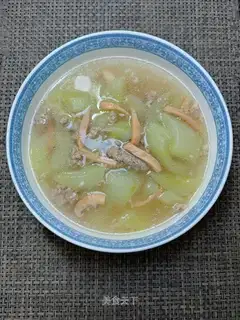
- In Soups and Stews: Add rehydrated dried squid to broths or stews to enhance flavor and boost protein content.
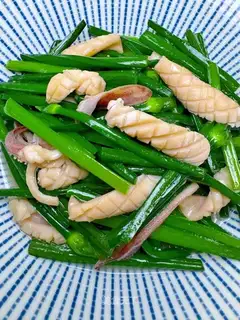
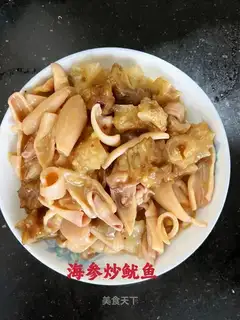
- In Stir-fries: Combine with vegetables, tofu, or noodles for a quick and nutritious meal.
- In Salads: Thinly slice rehydrated dried squid and toss with fresh greens, herbs, and a light vinaigrette.
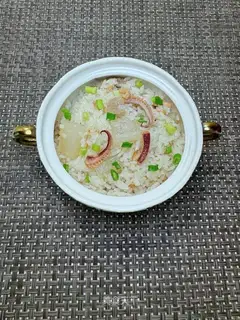
- As a Flavoring: Grind dried squid into a powder to use as a seasoning for rice, noodles, or marinades.
To maximize health benefits, pair dried squid with fiber-rich foods (e.g., vegetables, whole grains) to balance sodium intake and support digestion. Limit portion sizes to 20–30 grams per serving to avoid excessive sodium or purine consumption.
Conclusion
Dried squid is a nutrient-dense food that offers a wide range of health benefits, from supporting muscle growth and immune function to promoting heart and brain health. Its high protein, vitamin, and mineral content makes it a valuable addition to a balanced diet, particularly for those seeking plant-based or high-protein options. However, its high sodium, purine, and potential heavy metal content require mindful consumption. By choosing high-quality products, preparing them properly, and enjoying them in moderation, dried squid can be both a delicious and nutritious part of a healthy lifestyle. As with any food, moderation and awareness are key to unlocking its benefits while minimizing risks. Whether as a snack, a seasoning, or a main ingredient, dried squid continues to be a timeless culinary treasure that bridges tradition and wellness.