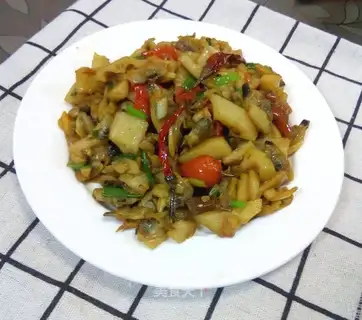
Clams, small bivalve mollusks thriving in both freshwater and marine environments, have been a dietary staple for coastal communities for millennia. Among their various parts, clam meat—the soft, edible tissue within the shell—stands out as a nutritional powerhouse, prized for its high protein content, essential minerals, and unique bioactive compounds. This article explores the nutritional profile of clam meat, its scientifically supported health benefits, and important precautions to ensure safe and enjoyable consumption.
I. Nutritional Profile of Clam Meat
Clam meat is a low-calorie, nutrient-dense food, making it an excellent choice for health-conscious individuals. A 100-gram serving of cooked clam meat (approximately 20 small clams) contains approximately:
- Protein: 18–20 grams, providing all nine essential amino acids (lysine, leucine, valine, etc.), making it a complete protein source. This is particularly valuable for muscle repair, immune function, and overall tissue maintenance.
- Vitamins:
- Vitamin B12: 1,400–2,400% of the Daily Value (DV). Vitamin B12 is critical for nerve function, red blood cell formation, and DNA synthesis; a deficiency can lead to anemia or neurological issues.
- Vitamin C: 10–15% DV, supporting immune health and collagen production.
- Vitamin A: 5–10% DV, important for vision, skin health, and immune regulation.
- Niacin (B3) and Riboflavin (B2): Each contributing 10–20% DV, aiding energy metabolism and antioxidant defense.
- Minerals:
- Iron: 15–25 mg (80–130% DV), in the heme form (more easily absorbed than plant-based iron), preventing iron-deficiency anemia.
- Zinc: 10–15 mg (90–130% DV), essential for immune function, wound healing, and DNA synthesis.
- Selenium: 30–50 mcg (50–80% DV), a potent antioxidant that protects cells from oxidative damage and supports thyroid health.
- Phosphorus: 200–250 mg (20–25% DV), crucial for bone health and energy production.
- Copper and Manganese: Each providing 20–30% DV, acting as cofactors for enzymes involved in antioxidant defense and metabolism.
- Omega-3 Fatty Acids: 100–200 mg per serving, primarily EPA and DHA, which reduce inflammation, support heart health, and promote brain function.
- Low Fat and Calories: With only 1–2 grams of fat (mostly unsaturated) and 70–90 calories per 100 grams, clam meat is ideal for weight management.
II. Health Benefits of Clam Meat
The rich nutrient composition of clam meat translates into a range of health benefits, backed by scientific research.
1. Supports Cardiovascular Health
Clam meat is a heart-healthy food due to its low saturated fat content, high omega-3 fatty acids, and abundance of minerals. Omega-3s reduce triglycerides, lower blood pressure, and decrease the risk of arrhythmias, while selenium and vitamin B12 help reduce oxidative stress and inflammation in blood vessels. Additionally, the heme iron in clams improves oxygen transport to tissues, reducing the strain on the heart.
2. Enhances Immune Function
Zinc and selenium in clam meat are vital for a robust immune system. Zinc regulates immune cell development and function, while selenium enhances the activity of antioxidants like glutathione, which neutralizes harmful pathogens. A 2018 study in the Journal of Nutrition found that regular consumption of zinc-rich foods (like clams) reduces the duration and severity of colds.
3. Promotes Brain Health and Cognitive Function
The high levels of vitamin B12, omega-3s, and iron make clam meat beneficial for brain health. Vitamin B12 deficiency is linked to memory loss, depression, and neurodegenerative diseases like Alzheimer’s. Omega-3s, particularly DHA, are structural components of brain cells, improving communication between neurons and reducing inflammation. Iron ensures adequate oxygen supply to the brain, preventing fatigue and cognitive decline.
4. Aids in Weight Management
With high protein and low calorie content, clam meat promotes satiety, reducing overall calorie intake. Protein also preserves muscle mass during weight loss, which is crucial for maintaining metabolism. A 2020 study in Obesity Reviews highlighted that high-protein seafood, like clams, enhances weight loss outcomes compared to low-protein diets.
5. Supports Bone and Joint Health
Clam meat is rich in phosphorus, calcium, and vitamin D (when consumed with fatty fish or exposed to sunlight). Phosphorus works with calcium to build and maintain bone density, while vitamin D aids calcium absorption. These nutrients reduce the risk of osteoporosis and arthritis, especially in older adults.
6. Boosts Energy and Metabolism
The B vitamins (B12, niacin, riboflavin) in clam meat play a key role in converting food into energy. They act as coenzymes in metabolic pathways, breaking down carbohydrates, fats, and proteins to fuel the body. This makes clam meat an ideal food for athletes or individuals with active lifestyles.
III. Precautions and Potential Risks
While clam meat offers numerous health benefits, improper consumption or overconsumption may lead to adverse effects. Understanding these precautions is essential for safe consumption.
1. Risk of Heavy Metal Contamination
Clams are filter feeders, meaning they accumulate toxins and heavy metals (like mercury, lead, and cadmium) from their environment. High levels of heavy metals can cause neurological damage, kidney dysfunction, and developmental issues in children. To minimize risk:
- Choose clams from reputable, clean sources (e.g., certified sustainable fisheries).
- Limit consumption to 2–3 servings per week.
- Avoid clams from polluted waters (e.g., near industrial areas or sewage outlets).
2. Bacterial and Parasitic Infections
Raw or undercooked clams may harbor harmful bacteria (e.g., Vibrio vulnificus, Salmonella) or parasites (e.g., Anisakis). These can cause food poisoning, symptoms of which include nausea, vomiting, diarrhea, and fever. High-risk individuals (pregnant women, young children, the elderly, and immunocompromised individuals) should avoid raw clams entirely.
- Prevention: Cook clams thoroughly until shells open (for steamed/clams) or reach an internal temperature of 74°C (165°F).
3. High Sodium Content
Canned clam meat often contains added sodium as a preservative. Excessive sodium intake can increase blood pressure and the risk of heart disease. Opt for fresh or frozen clams, or rinse canned clams under water to reduce sodium by 30–50%.
4. Allergic Reactions
Shellfish allergies are among the most common food allergies, triggered by proteins like tropomyosin in clams. Symptoms range from mild (hives, itching) to severe (anaphylaxis, difficulty breathing). Individuals with shellfish allergies should avoid clam meat entirely and carry an epinephrine auto-injector if at risk.
5. Interaction with Medications
Clam meat’s high vitamin K content may interfere with blood-thinning medications (e.g., warfarin), as vitamin K promotes blood clotting. Individuals taking such medications should maintain consistent vitamin K intake and consult their doctor before adding clams to their diet.
IV. Conclusion
Clam meat is a nutritional gem, offering a unique combination of high-quality protein, essential vitamins, minerals, and omega-3 fatty acids. Its benefits for heart health, immune function, brain health, and weight management make it a valuable addition to a balanced diet. However, to reap these benefits safely, it is crucial to source clams from clean waters, cook them thoroughly, and consume them in moderation, especially for vulnerable populations. By incorporating clam meat mindfully, individuals can enjoy its delicious taste while enhancing their overall health and well-being.
As with any food, moderation and awareness are key. When enjoyed responsibly, clam meat can be a cornerstone of a healthy, nutrient-rich diet, bridging the gap between culinary pleasure and optimal health.