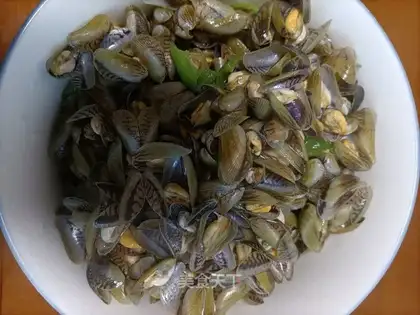
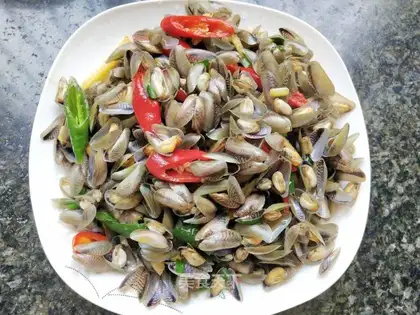
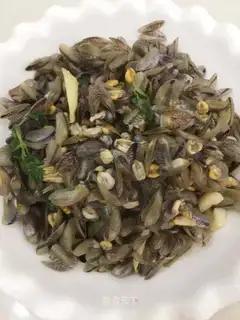
Surf clams, commonly known as "haiguaizi" in Chinese, are small, bivalve mollusks that thrive in intertidal zones and sandy coastlines across the Indo-Pacific region. Renowned for their tender, sweet flesh and affordability, they are a staple in coastal cuisines, particularly in East and Southeast Asia. Beyond their culinary appeal, surf clams pack a impressive nutritional profile and offer various health benefits. However, like all seafood, they must be consumed with caution to avoid potential risks. This article explores the nutritional value, health benefits, and important precautions associated with eating surf clams.
I. Nutritional Value of Surf Clams
Surf clams are a nutrient-dense food, rich in high-quality protein, essential vitamins, and minerals, while being low in fat and calories. A 100-gram serving of cooked surf clams (approximately 15–20 small clams) provides approximately:
1. High-Quality Protein
Surf clams are an excellent source of complete protein, containing all nine essential amino acids necessary for human health. Protein is vital for muscle repair, immune function, and enzyme production. With about 15–18 grams of protein per 100 grams, surf clams rival other lean protein sources like chicken breast or tofu, making them a valuable addition to vegetarian or pescetarian diets.
2. Essential Minerals
- Iron: Surf clams are one of the best dietary sources of heme iron, the type of iron found in animal products that is more easily absorbed by the body than non-heme iron. A 100-gram serving provides around 3–5 milligrams of iron, meeting 15–25% of the daily recommended intake for adults. Iron is critical for oxygen transport in the blood and preventing iron-deficiency anemia.
- Zinc: Each serving contains 2–3 milligrams of zinc, essential for immune health, wound healing, and DNA synthesis. Zinc deficiency can weaken immune function, making surf clams a beneficial food for maintaining immune resilience.
- Selenium: A potent antioxidant, selenium supports thyroid function and protects cells from oxidative damage. Surf clams provide 20–30 micrograms of selenium per 100 grams, contributing to the daily requirement (55 micrograms for adults).
- Calcium and Phosphorus: These minerals are crucial for bone health. While surf clams are not as calcium-rich as dairy products, they still provide 50–70 milligrams of calcium and 100–150 milligrams of phosphorus per serving, aiding in bone mineralization.
3. Vitamins
- Vitamin B12: Surf clams are exceptional sources of vitamin B12, with 10–15 micrograms per 100 grams—over 500% of the daily recommended intake. Vitamin B12 is essential for nerve function, red blood cell formation, and DNA synthesis. Deficiency can lead to anemia, fatigue, and neurological issues.
- Vitamin A: As a precursor to retinol, vitamin A supports vision, immune health, and skin integrity. Surf clams provide moderate amounts of vitamin A, primarily in the form of retinol.
- B Vitamins: They are also rich in other B vitamins, including niacin (B3), riboflavin (B2), and folate (B9), which play roles in energy metabolism and cell growth.
4. Low in Fat and Calories
With only 60–80 calories per 100 grams and less than 1 gram of fat (mostly heart-healthy unsaturated fats), surf clams are an ideal food for weight management. They contain no cholesterol (dietary cholesterol has minimal impact on blood cholesterol for most people) and are low in carbohydrates.
5. Bioactive Compounds
Surf clams contain unique bioactive compounds, such as taurine and omega-3 fatty acids (EPA and DHA). Taurine supports cardiovascular health and regulates bile acid metabolism, while omega-3 fatty acids reduce inflammation and promote brain health.
II. Health Benefits of Surf Clams
The rich nutritional composition of surf clams translates to several health benefits, making them a valuable component of a balanced diet.
1. Boosts Immune Function
The combination of high-quality protein, zinc, selenium, and vitamin B12 in surf clams strengthens the immune system. Zinc and selenium enhance the activity of immune cells, such as T-cells and natural killer cells, while protein is necessary for producing antibodies and immune signaling molecules. Regular consumption may reduce the risk of infections and support recovery from illness.
2. Supports Bone Health
Surf clams provide calcium, phosphorus, and vitamin D (when consumed with sunlight exposure or fortified foods), all of which are essential for maintaining bone density. These nutrients help prevent age-related bone loss, reducing the risk of osteoporosis and fractures, especially in older adults.
3. Enhances Cognitive Function
Omega-3 fatty acids (EPA and DHA) and vitamin B12 in surf clams are critical for brain health. DHA is a major structural component of the brain, and it supports cognitive function, memory, and mood regulation. Vitamin B12 deficiency has been linked to cognitive decline and dementia, making surf clams a brain-protective food.
4. Promotes Heart Health
The low-fat, high-protein, and omega-3 content of surf clams contributes to cardiovascular health. Omega-3 fatty acids reduce triglyceride levels, lower blood pressure, and decrease the risk of arrhythmias. Additionally, taurine helps regulate cholesterol levels and reduces arterial plaque formation, lowering the risk of heart disease.
5. Aids in Weight Management
Surf clams are low in calories and high in protein, which increases satiety and reduces overall calorie intake. Protein also helps preserve muscle mass during weight loss, making surf clams a suitable food for individuals aiming to lose or maintain weight.
6. Prevents Iron-Deficiency Anemia
The high heme iron content in surf clams makes them particularly effective in preventing and treating iron-deficiency anemia, a condition characterized by fatigue, weakness, and shortness of breath. Heme iron is absorbed 2–3 times more efficiently than non-heme iron (found in plant foods), making surf clams an excellent choice for pregnant women, athletes, and individuals with anemia.
7. Supports Thyroid Function
Selenium, abundant in surf clams, is a cofactor for enzymes involved in thyroid hormone production. Thyroid hormones regulate metabolism, growth, and development. Adequate selenium intake ensures proper thyroid function and reduces the risk of thyroid disorders.
III. Precautions and Potential Risks
While surf clams offer numerous health benefits, improper consumption or overconsumption may lead to adverse effects. Below are key precautions to consider:
1. Risk of Heavy Metal Contamination
As filter-feeding mollusks, surf clams can accumulate heavy metals (such as mercury, cadmium, and lead) from contaminated seawater. High levels of these metals pose serious health risks, including neurological damage, kidney dysfunction, and developmental issues in children. To minimize risk:
- Choose clams from reputable sources, such as certified sustainable fisheries or clean coastal areas.
- Limit consumption to 2–3 times per week, especially for pregnant women, nursing mothers, and young children.
2. Bacterial and Parasitic Infections
Raw or undercooked surf clams may contain harmful bacteria (e.g., Vibrio species) or parasites (e.g., Anisakis), which can cause foodborne illnesses such as gastroenteritis, diarrhea, and sepsis. Symptoms typically include nausea, vomiting, abdominal pain, and fever. To reduce risk:
- Always cook surf clams thoroughly until the shells open and the flesh is opaque.
- Avoid consuming raw clams, especially if you have a weakened immune system.
3. Allergic Reactions
Shellfish allergies are among the most common food allergies, and surf clams can trigger severe reactions in sensitive individuals. Symptoms may range from hives and itching to anaphylaxis, a life-threatening condition characterized by difficulty breathing, swelling, and a drop in blood pressure. People with known shellfish allergies should avoid surf clams entirely.
4. High Sodium Content
Canned or processed surf clams often contain high levels of sodium as a preservative. Excessive sodium intake can increase blood pressure and raise the risk of cardiovascular disease. Opt for fresh or frozen clams and avoid canned varieties with added salt. If consuming canned clams, rinse them under water to reduce sodium content.
5. Interaction with Medications
Surf clams contain purines, natural compounds that can break down into uric acid. In individuals with gout or kidney problems, high purine intake may trigger gout attacks or worsen kidney function. Additionally, vitamin K in surf clams may interact with blood-thinning medications (e.g., warfarin), as vitamin K promotes blood clotting. Consult a healthcare provider before consuming surf clams regularly if you have these conditions.
6. Environmental Sustainability
Overharvesting of surf clams can disrupt marine ecosystems and deplete wild populations. To support sustainability:
- Choose clams that are farmed using sustainable practices or certified by organizations like the Marine Stewardship Council (MSC).
- Avoid consuming clams during spawning seasons (typically spring and summer) to allow populations to replenish.
IV. Conclusion
Surf clams are a nutritional powerhouse, offering high-quality protein, essential vitamins and minerals, and bioactive compounds that support immune, bone, heart, and cognitive health. Their low-fat, low-calorie profile makes them an excellent choice for weight management and overall well-being. However, potential risks such as heavy metal contamination, bacterial infections, and allergic reactions necessitate careful handling, thorough cooking, and moderation. By sourcing surf clams responsibly and consuming them as part of a balanced diet, individuals can enjoy their delicious taste and reap their numerous health benefits while minimizing adverse effects. Whether steamed, stir-fried, or added to soups, surf clams are a versatile and nutritious addition to any meal.