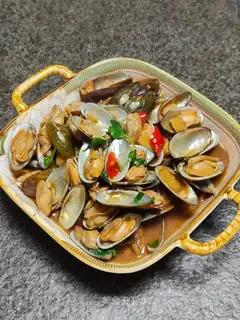
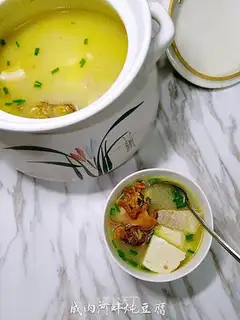
Freshwater clams, commonly known as "river clams" or "mussels" in some regions, are bivalve mollusks that have been a part of human diets for centuries. Found in rivers, lakes, and streams across Asia, Europe, and North America, these humble shellfish are not only affordable and accessible but also pack a remarkable nutritional profile. However, their consumption is accompanied by important considerations regarding safety and preparation. This article explores the nutritional value, health benefits, and potential risks associated with eating freshwater clams, providing a comprehensive guide for enthusiasts and health-conscious individuals alike.
I. Nutritional Value of Freshwater Clams
Freshwater clams are often overlooked as a "superfood," but their nutritional composition rivals that of more seafood staples like oysters and shrimp. Low in calories and rich in essential nutrients, they offer a unique combination of proteins, vitamins, and minerals that support overall health.
1. High-Quality Protein
Clams are an excellent source of lean protein, providing approximately 18-20 grams per 100 grams of cooked meat. Protein is vital for muscle repair, immune function, and enzyme production. Unlike fatty meats, clams are low in saturated fat, making them a heart-healthy alternative for protein intake.
2. Essential Vitamins
- Vitamin B12: Clams are one of the richest natural sources of vitamin B12, a nutrient critical for nerve function, DNA synthesis, and red blood cell formation. A 100-gram serving can provide over 1,000% of the daily recommended intake, making them particularly beneficial for vegetarians and individuals with B12 deficiencies.
- Vitamin C: Though less abundant than in fruits, clams contain moderate amounts of vitamin C, an antioxidant that boosts immunity and aids collagen production.
- Vitamin D: Clams exposed to sunlight (or farmed in vitamin D-enriched waters) can provide significant vitamin D, which is essential for calcium absorption and bone health.
3. Mineral-Rich Profile
- Iron: Clams are a potent source of heme iron, the type most easily absorbed by the body. A 100-gram serving delivers up to 25 mg of iron, more than double the amount in red meat. This makes them invaluable for preventing iron-deficiency anemia, especially in women and children.
- Zinc: With approximately 5-7 mg per 100 grams, clams support immune function, wound healing, and DNA synthesis. Zinc also plays a role in maintaining taste and smell sensitivity.
- Selenium: A trace mineral with antioxidant properties, selenium helps protect cells from damage and supports thyroid function. Clams are among the top dietary sources of selenium.
- Copper and Manganese: These minerals act as cofactors for enzymes involved in energy metabolism and antioxidant defense.
4. Low Fat and Omega-3 Fatty Acids
Clams are extremely low in fat, with less than 2 grams per 100 grams, and most of this fat consists of heart-healthy unsaturated fats. They also contain omega-3 fatty acids, particularly EPA and DHA, which reduce inflammation, support brain health, and lower the risk of cardiovascular disease.
II. Health Benefits of Consuming Freshwater Clams
The nutrient density of freshwater clams translates into a range of health benefits, from boosting immunity to supporting heart and bone health.
1. Enhances Immune Function
The combination of zinc, selenium, and vitamin B12 in clams strengthens the immune system. Zinc is crucial for the development and function of immune cells, while selenium and vitamin C act as antioxidants that neutralize harmful free radicals, reducing oxidative stress and inflammation.
2. Supports Heart Health
Clams are a heart-healthy food due to their low saturated fat content and high levels of omega-3 fatty acids. Omega-3s lower triglycerides, reduce blood pressure, and decrease the risk of arrhythmias, while the mineral potassium helps regulate blood pressure by balancing sodium levels. Additionally, the vitamin B12 in clams reduces homocysteine, an amino acid linked to an increased risk of heart disease when elevated.
3. Promotes Brain Health and Cognitive Function
The omega-3 fatty acids (DHA and EPA) in clams are vital for brain development and function. DHA, in particular, is a major structural component of the brain and retina, supporting memory, focus, and overall cognitive health. Studies suggest that regular consumption of omega-3-rich foods may reduce the risk of age-related cognitive decline and neurodegenerative diseases like Alzheimer’s.
4. Aids in Weight Management
With high protein and low calorie content, clams are an ideal food for weight management. Protein increases satiety, reducing hunger and overall calorie intake, while the low fat content ensures minimal energy storage. A 100-gram serving of clams provides only 80-100 calories, making it a nutrient-dense option for those looking to lose or maintain weight.
5. Supports Bone Health
Clams are a good source of calcium, phosphorus, and vitamin D—all essential for bone health. Calcium and phosphorus form the structural framework of bones, while vitamin D enhances calcium absorption. Regular consumption may help prevent osteoporosis and bone fractures, especially in older adults.
6. Boosts Energy Levels
The iron and vitamin B12 in clams play a key role in energy production. Iron helps transport oxygen throughout the body via red blood cells, while vitamin B12 aids in converting food into energy. Individuals with iron or B12 deficiencies often experience fatigue, and incorporating clams into their diet can help alleviate these symptoms.
III.食用禁忌与安全注意事项 (Consumption Taboos and Safety Precautions)
While freshwater clams offer numerous health benefits, improper consumption can lead to health risks. Understanding these precautions is essential to enjoying them safely.
1. Risk of Heavy Metal and Contaminant Accumulation
Freshwater clams are filter feeders, meaning they absorb nutrients and toxins from their environment. Clams from polluted waters may accumulate heavy metals (such as lead, mercury, and cadmium), pesticides, and microplastics. Prolonged consumption of contaminated clams can lead to heavy metal poisoning, causing symptoms like nausea, neurological damage, and organ failure.
Precaution: Source clams from reputable suppliers or clean, unpolluted waters. Check local water quality reports before harvesting wild clams. Farmed clams from regulated farms are generally safer due to controlled environments.
2. Bacterial and Parasitic Infections
Raw or undercooked clams may harbor harmful bacteria (e.g., Vibrio, Salmonella) and parasites (e.g., Giardia, Cryptosporidium). These pathogens can cause foodborne illnesses, leading to symptoms like diarrhea, vomiting, abdominal cramps, and fever.
Precaution: Always cook clams thoroughly until the shells open and the meat is opaque. Avoid eating raw clams unless they are certified safe for raw consumption (e.g., specific species from trusted suppliers). High-temperature cooking kills most pathogens.
3. High Cholesterol Content (Myth vs. Reality)
Clams contain moderate amounts of dietary cholesterol (approximately 50-60 mg per 100 grams), but research shows that dietary cholesterol has minimal impact on blood cholesterol levels for most people. Saturated and trans fats are the primary culprits behind high cholesterol.
Precaution: Individuals with hypercholesterolemia or heart disease should consume clams in moderation as part of a balanced low-saturated-fat diet.
4. Allergic Reactions
Shellfish allergies are common and can range from mild (hives, itching) to severe (anaphylaxis). Clams belong to the mollusk family, and individuals allergic to other shellfish (e.g., shrimp, crab) may also react to clams.
Precaution: If you have a shellfish allergy, avoid clams entirely. Even small amounts can trigger severe reactions.
5. Interaction with Blood Thinners
Clams are rich in vitamin K, which plays a role in blood clotting. Individuals taking blood-thinning medications (e.g., warfarin) should maintain consistent vitamin K intake to avoid drug interactions. Sudden increases in vitamin K consumption can reduce the effectiveness of blood thinners.
Precaution: Consult a healthcare provider before adding clams to your diet if you are on blood thinners. Monitor vitamin K intake levels regularly.
IV. Culinary Uses and Preparation Tips
To maximize the nutritional benefits and minimize risks, proper preparation of freshwater clams is essential.
1. Cleaning and Purging
Before cooking, purge clams to remove sand and impurities. Soak them in salted water (1 tablespoon of salt per liter of water) for 4-6 hours, or until they expel sand. Discard any clams that remain open after soaking.
2. Cooking Methods
- Steaming/Boiling: Simple and effective, steaming clams in water, wine, or broth until shells open (5-10 minutes) is a popular method. Serve with garlic, herbs, or lemon.
- Grilling/Frying: Marinate clams in spices and grill or shallow-fry for a crispy texture. Avoid deep-frying to preserve nutrients.
- Soups and Stews: Clams add flavor and nutrients to broths, chowders, and Asian-style soups (e.g., clam hotpot).
3. Pairings
Clams pair well with ingredients that complement their briny flavor, such as garlic, tomatoes, white wine, parsley, and whole-grain bread (for dipping in broth). Avoid heavy sauces that mask their natural taste.
V. Conclusion
Freshwater clams are a nutritional powerhouse, offering high-quality protein, essential vitamins, and minerals that support immune, heart, and brain health. Their low calorie and high nutrient density make them an excellent addition to a balanced diet. However, their safety depends heavily on sourcing and preparation. By choosing clean, reputable sources, cooking thoroughly, and being mindful of individual health conditions, one can enjoy the myriad benefits of freshwater clams without compromising health. Whether steamed, grilled, or added to soups, these humble shellfish are a delicious and nutritious choice for those seeking to enhance their diet with whole, unprocessed foods.